REVIEW · KUALA LUMPUR
Market Visit & Private Hands-on Cooking Class at Daun Senja
Book on Viator →Operated by Daun Senja Kitchen · Bookable on Viator
Your morning starts at a real Malaysian market. This private lesson for up to five people pairs a wet-market ingredient hunt with hands-on cooking, so you get real local food know-how instead of a performance. I like that you cook together with full attention, and I like that you choose ingredients before you start.
One thing to plan for: the class starts at 8:00 am in Cheras (a bit outside central KL), so you’ll want a simple ride plan to and from Taman Suntex before the session begins.
Shop first, then cook: you visit a wet market (except Mondays) and handle ingredients before cooking.
Private for up to five: only your party participates, with plenty of time to ask questions.
Pick from three full menu paths: you’ll cook a three-dish set and then eat a three-course meal afterward.
Breakfast is part of the morning: you’ll have local breakfast at food stalls during the market stop.
It happens in a home kitchen: expect side-by-side, step-by-step instruction rather than standing back and watching.
Drink included with your meal: the post-class three-course meal comes with a glass of wine or beer.
In This Review
- A private market-to-kitchen class in Cheras, not central KL
- The wet market stop (and the Monday workaround) at a real food speed
- Local breakfast at the stalls: your warm-up course
- Choosing your menu: three ways to practice Malaysian home cooking
- Option 1
- Option 2
- Option 3
- Hands-on instruction at Daun Senja Kitchen: where the learning happens
- The 3-course meal afterward, plus wine or beer
- Price and value: what $130 buys in a private format
- Where you’ll actually spend your time in KL (and how to get there)
- Who this class is best for
- Should you book Daun Senja Market Visit & Private Hands-on Cooking Class?
A private market-to-kitchen class in Cheras, not central KL
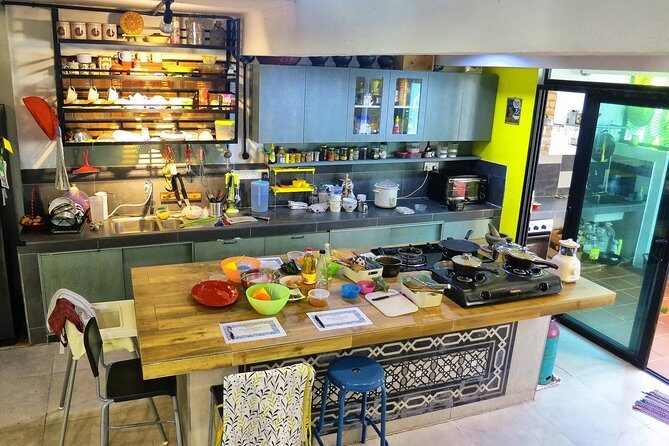
If you’re tired of cookie-cutter food tours where you taste a few bites and rush on, this format feels better. The day is built around one core idea: you learn by doing, and you learn what the ingredients actually are before you cook them. It’s set up as a private experience (up to five people), so you’re not sharing the instructor’s attention with strangers.
The other big reason it works is pacing. You start with a market visit and breakfast, then you move into cooking mode at a home kitchen. That flow matters because Malaysian cooking often depends on how ingredients behave together, not just what the final dish looks like.
The tradeoff is logistics. You’re meeting in Cheras, and you’ll likely spend time getting to and from the neighborhood. If you’re staying deep in central KL and hate early starts, this one requires a little planning.
The wet market stop (and the Monday workaround) at a real food speed
The morning begins with a wet market visit in a local area—except on Mondays. That exception is practical: markets have different opening days, and the schedule adjusts so you still get the market-style start and the same idea of ingredient selection.
Here’s what I like about this part of the day for you:
- You get to see ingredients in the setting where people actually buy them.
- You’re tasting breakfast at food stalls, which makes the morning feel like food, not just shopping.
- You carry that ingredient context into the kitchen. It’s easier to remember what you’re cooking when you’ve just seen, smelled, and handled the basics.
On Mondays specifically, the market isn’t open, and the experience shifts to a local breakfast setting first. In other words, you don’t lose the idea of a food-start morning—you just get it in a different place.
What to do mentally: come with a curious mindset. If you’re the type who asks why something is chosen, how something is cleaned, or how a cook thinks about timing, you’ll get a lot more out of this stop.
You can also read our reviews of more private tours in Kuala Lumpur
- Private Tour Kuala Lumpur with Petronas Twin Towers Observation Deck & Batu Cave
★ 5.0 · 1,029 reviews



Local breakfast at the stalls: your warm-up course
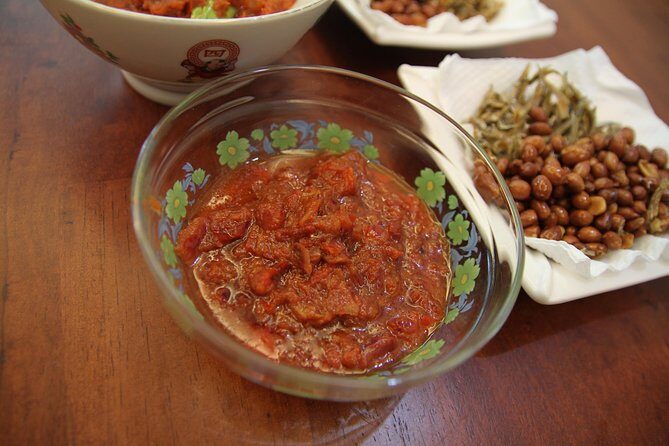
During the market visit, you have local breakfast at a stall. This is more than a perk. Breakfast at the stalls gives you a baseline for the flavors and textures you’ll later cook in your lesson.
From what you’re given, breakfast is part of the planned rhythm of the morning. That means the day doesn’t just “start with shopping,” then “start cooking later.” Instead, it flows like a real morning: eat first, then cook.
If you have a sensitive stomach or specific dietary needs, keep it in mind that you’ll likely sample or eat typical stall food as part of breakfast. The tour data doesn’t spell out custom options, so if you need something special, you’ll want to confirm beforehand with the provider.
Choosing your menu: three ways to practice Malaysian home cooking
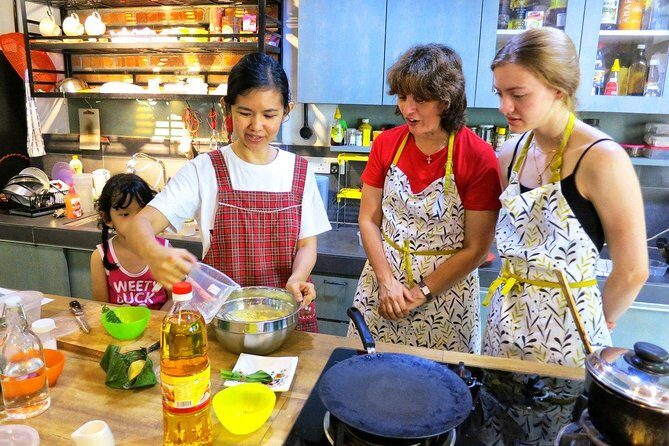
After breakfast, you move into the kitchen and cook a three-dish menu. The experience is set up so you pick from three menu options (and you’ll cook and then eat a three-course meal).
Here are the three menu paths you can expect:
Option 1
- Chicken Pong Teh (served with rice)
- Eggplant Sambal
- Pulut Inti
Option 2
- Nasi Lemak
- Pinapple and Cucumber Salad
- Sago Gula Melaka Pudding
You can also read our reviews of more shopping tours in Kuala Lumpur




Option 3
- Chicken Curry
- Roti Jala
- Ondeh Ondeh
Even if you’re not a confident cook, this menu structure helps. You’ll practice multiple styles in one sitting: savory mains, sides/sauces, and a sweet finish. That mix is a big reason this class feels more useful than a one-dish workshop.
A quick practical tip: pick based on what you actually want to recreate later. If you love a particular dish on the list, choose that menu option. The day is short (about 4 hours 30 minutes), so you’ll want to spend your energy on the flavors you’ll crave again at home.
Hands-on instruction at Daun Senja Kitchen: where the learning happens
This isn’t a watch-and-take-notes class. It’s hands-on, side-by-side instruction in a home setting. The private setup matters here. With only your party participating (up to five), you’re more likely to get personal feedback while you’re working—like when you’re adjusting technique mid-step or asking what to do if something looks off.
From the way the day is described, the lesson includes:
- Cooking under guidance of a local cook
- Step-by-step teaching
- Time to ask questions
The hosts you might meet include Patricia (with Kingston or Winston as part of the hosting team, depending on who you’re paired with). In past experiences of this kind, the names matter because you can recognize who’s teaching you at the start and who to ask during the cook.
Why this format is valuable: Malaysian cooking often feels approachable when you learn it in a home routine. You’re not just memorizing a recipe—you’re learning the logic behind order and texture, and you’re seeing how ingredients affect the result.
One practical consideration: you’re in a cooking environment, so plan to wear comfortable clothes you don’t mind getting a little food smell on you. A morning class like this is great, but you don’t want to worry about your outfit.
The 3-course meal afterward, plus wine or beer
Once cooking is done, you don’t rush out. You sit down for the 3-course meal made during the class. That matters because you get immediate reinforcement: you cook it, then you taste it in full context.
You’ll also have a glass of wine or beer with the meal. That turns the end of the class into a proper food experience rather than a quick “okay, thanks, go home” moment.
There’s also a cultural element to shared eating. In home-style settings, you may find people eat together casually—so if you’re comfortable with relaxed dining, you’ll feel right at home.
Practical tip for you: go slowly during the meal. The point isn’t just satisfaction. It’s learning. Notice what you made that you liked best, and think about what you’d change next time.
Price and value: what $130 buys in a private format
$130 for a 4.5-hour experience can look steep until you break down what’s included. Here’s what you’re paying for:
- A private cooking lesson for your group (up to five)
- A market visit for ingredient selection
- Local breakfast
- Hands-on cooking instruction for a full three-course menu
- The finished meal afterward, plus a glass of wine or beer
Many cooking classes in big cities charge for instruction alone, and you still need to pay for market time and meals separately. Here, the day is packaged. You’re basically buying a structured morning of food culture plus practical cooking time.
To decide if it’s worth it for you, I’d ask one question: do you want to actually learn dishes you can reproduce? If yes, the private, market-to-kitchen structure gives you more payoff than a shorter tasting-only class.
Where you’ll actually spend your time in KL (and how to get there)
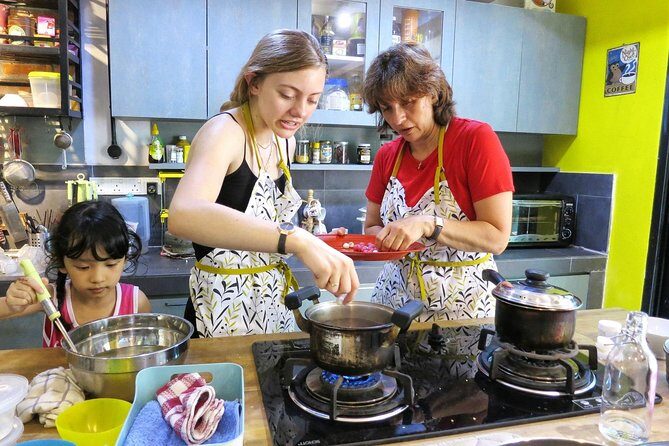
You start at Taman Suntex, 43200 Cheras, Selangor, Malaysia at 8:00 am, and you end back at the meeting point. The base is not central KL. One reason this can be a positive is that you get away from the tourist-heavy center and into a more everyday food neighborhood.
Expect the commute to take time. You might find getting there easiest by Grab, roughly 20–30 minutes from the city center depending on traffic and where you’re staying.
If you plan to take public transportation, the tour is described as near public transport. That helps, but for a morning start, rideshare may still be simpler.
My advice: don’t schedule anything tight right after the class ends. You’ll be cooking, eating, and settling into a slow morning rhythm.
Who this class is best for
This is a strong choice if:
- You want a private lesson instead of a group class
- You like market culture and want context for what you cook
- You want instruction you can ask questions during, not just watch
- You enjoy a full morning meal experience, not just a tasting
It’s also ideal for couples and small families because the structure stays friendly and manageable for a party size of up to five.
If you’re a solo traveler who wants quieter, higher-touch attention, the private format could still feel rewarding—just double-check whether you’ll share the up-to-five experience with only your party (it’s described as private, so it should be just you and your group).
Should you book Daun Senja Market Visit & Private Hands-on Cooking Class?
I’d book it if you want your KL food time to feel practical, personal, and rooted in ingredients—not just a list of dishes. The strongest reasons are the private attention, the market visit plus breakfast, and the fact that you cook a three-dish menu and then eat it right away.
Skip it (or reconsider) if you hate early mornings or don’t want to travel outside central KL. Also, if you have strong dietary needs and you can’t eat typical breakfast-stall food, you’ll want to confirm details before booking.
If you like doing rather than just watching, this class is built exactly for that mindset.




More Shopping Tours in Kuala Lumpur
More Private Tours in Kuala Lumpur
- Private Tour Kuala Lumpur with Petronas Twin Towers Observation Deck & Batu Cave
★ 5.0 · 1,029 reviews