REVIEW · KUALA LUMPUR
Kuala Lumpur: Street Market Exploration & Shopping Tour
Book on GetYourGuide →Operated by Travelvago · Bookable on GetYourGuide
Street markets teach you KL fast. On this 4-hour shopping crawl, I like how Little India in Brickfields hits you with color and spices right away, and how the English-speaking guide keeps the whole route easy to follow (I’ve seen guides such as Sathesh and Kimber mentioned for being attentive and flexible).
You’ll also get a smart mix of photo stops and real shopping areas, so you’re not just taking pictures—you’re buying stuff and learning how the neighborhoods tick.
The one thing to watch is pace. You’ll cover several markets in a short window, so you may not have time for a deep compare-and-bargain session at every single stall.
In This Review
- Key things I’d bank on before you go
- How the route works: a short market tour with real neighborhoods
- Brickfields: Little India shopping for color, fabric, and spices
- Central Market: an Art Deco landmark that’s built for browsing
- Chinatown: bargaining, busy streets, and KL food you can point to
- Masjid India on Jalan Masjid India: your last big shopping sweep
- Crawford County: a quick photo and shopping add-on
- Getting around comfortably: pickup, AC riding, and the pace you should expect
- Price and value: why $31 can make sense here
- Who this tour suits best (and who might feel rushed)
- Should you book this Kuala Lumpur street market tour?
- FAQ
- How long is the tour?
- Does the tour include hotel pickup and drop-off?
- Is food included?
- What language is the guide?
- Is it wheelchair accessible?
- Is free cancellation available?
Key things I’d bank on before you go
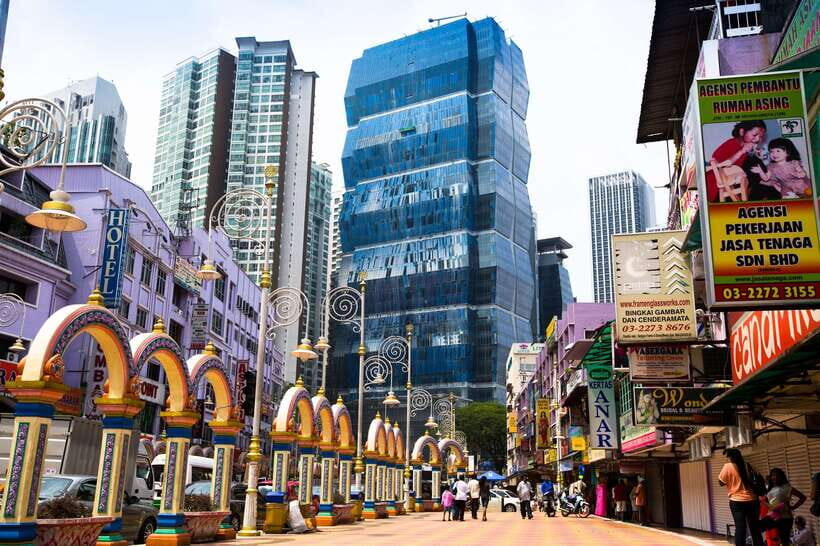
- Brickfields (Little India) shopping and spice vibes: Indian sarees, dresses, and local spice flavors
- Central Market as an easy souvenir HQ: Art Deco building completed in 1937, plus a food-court level
- Chinatown bargaining + street food energy: hokkien mee, ikan bakar, asam laksa, and curry noodles
- Masjid India as your last big shopping sweep: dresses, souvenirs, and more food tasting
- A quick extra stop at Crawford County: a photo and shopping add-on to stretch your KL time
How the route works: a short market tour with real neighborhoods
This is a hotel-pickup street market tour built for people who want a lot of Kuala Lumpur flavor without planning bus routes or figuring out where to start. You ride in an air-conditioned vehicle between stops, then you get walking time where shopping and street scenes actually happen. The total experience is listed as about 4 hours (some descriptions mention 4 to 6 hours depending on pacing), so the goal is “cover key areas, buy smart.”
Because it’s private group, you’re not stuck with a large crowd moving at one speed. That matters in places like Chinatown and Masjid India where you’ll want a little freedom to look around, ask questions, and bargain when you want to.
One practical detail: the tour includes food tasting, but it doesn’t include food and beverages overall. So I recommend thinking like a sampler shopper. You’re not committing to full meals every stop, and you’ll still have a chance to try small tastes.
You can also read our reviews of more shopping tours in Kuala Lumpur

Brickfields: Little India shopping for color, fabric, and spices
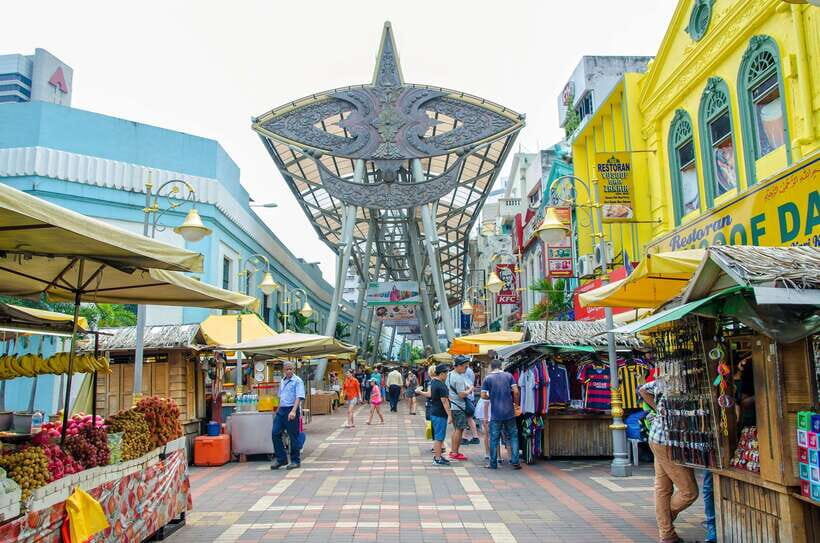
Brickfields is known as Kuala Lumpur’s Little India, and the area feels like a neighborhood first, not a stage set. You’ll see plenty of Indian-run businesses and lots of everyday street life, which is exactly why it works so well early in a market tour. When the streets are busy and colorful, it’s easier to understand what you’re shopping for: garments, spices, and home goods made for daily use.
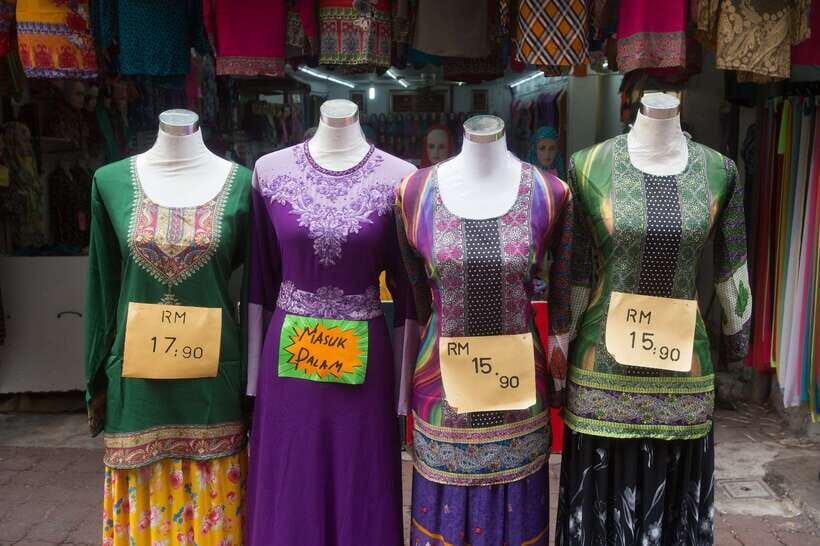
In the shopping areas around Brickfields, you can look for items like Indian sarees and dresses and you’ll also get chances to taste local Indian spices. Even if you don’t plan to buy spices, sampling helps you connect smells to brands and packaging later when you’re deciding what’s worth taking home.
What I like about starting here (when the schedule allows) is that it sets your shopping mindset. You’ll quickly learn the difference between things that are easy to compare—like packaged spices or simpler crafts—and items where fit and fabric matter more, like clothing. That helps you avoid impulse buying later.
Possible drawback: if you’re the type who wants to shop for clothing carefully—trying multiple options, checking fabric quality, and comparing price—this area can feel like a “window shopper” timeline. The tour moves on, so plan to shop decisively.
Central Market: an Art Deco landmark that’s built for browsing
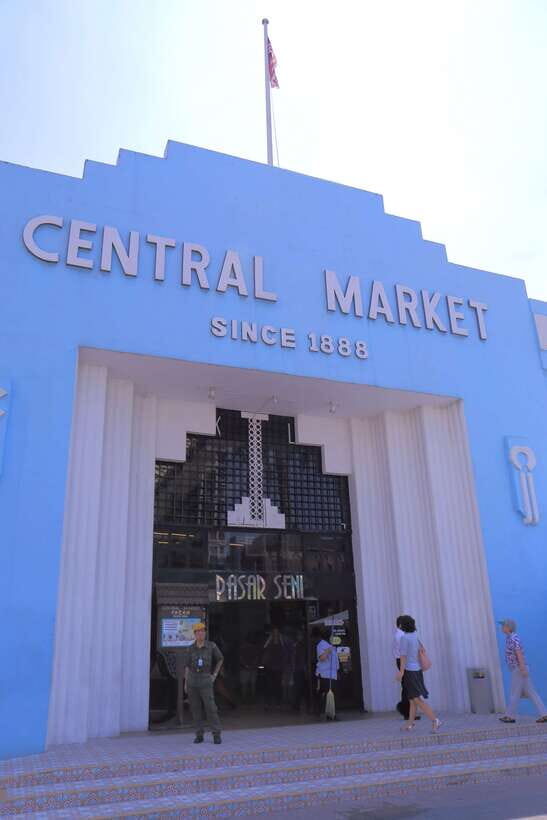
Central Market is the kind of place that makes souvenir shopping feel less random. It’s a heritage landmark with an Art Deco style building completed in 1937, and the market itself traces back to 1888 when it was originally a wet market. That long timeline shows in how the stalls are arranged—there’s a stall concept vibe that reflects the traditional market culture that existed in Kuala Lumpur since the 1800s.
The big practical win here is layout. You can walk through different stalls without feeling like you’re guessing where everything is. The market is also described as having a food court on the second floor, which is useful if you want a break and a few more tastes mid-tour.
If you like atmosphere, Central Market’s architecture is worth paying attention to. The buildings on the upper level are set up to resemble Kampong-style houses, representing the many ethnic groups living harmoniously in Kuala Lumpur. It’s not just about where you buy things—it’s also a quick way to get context for the city’s multi-ethnic street life.
For shopping, focus on items that travel well. Central Market tends to be a strong stop for handicrafts and souvenirs, especially when you want a compact “get it done” shopping experience. You’ll find plenty of options for gifts, and the indoor setting can help when the weather is hot.
Trade-off: Central Market can be busy, and because it’s a popular stop, prices may feel a bit less flexible than the more street-level areas. If your strategy is heavy bargaining, you may save that energy for Chinatown and Masjid India.
Chinatown: bargaining, busy streets, and KL food you can point to
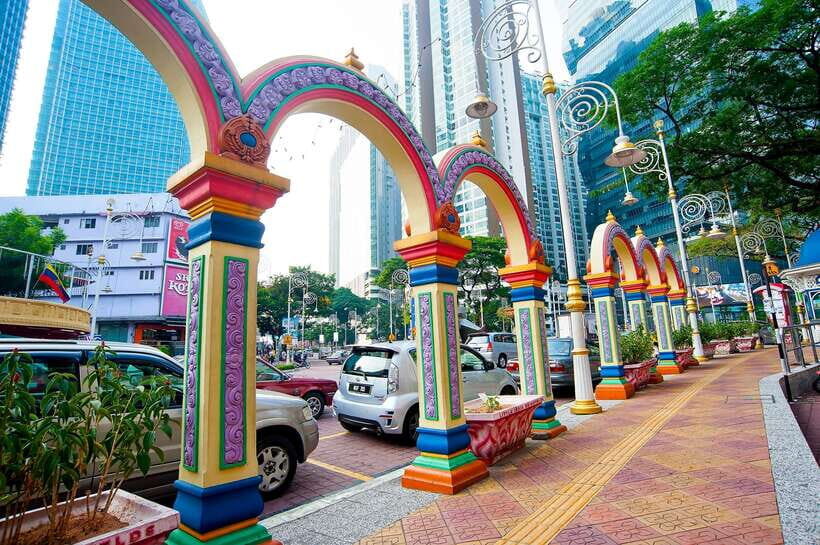
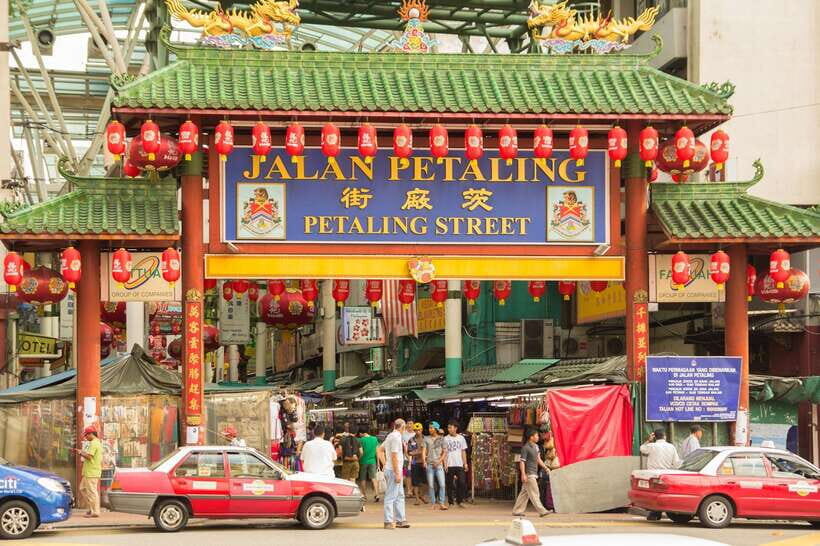
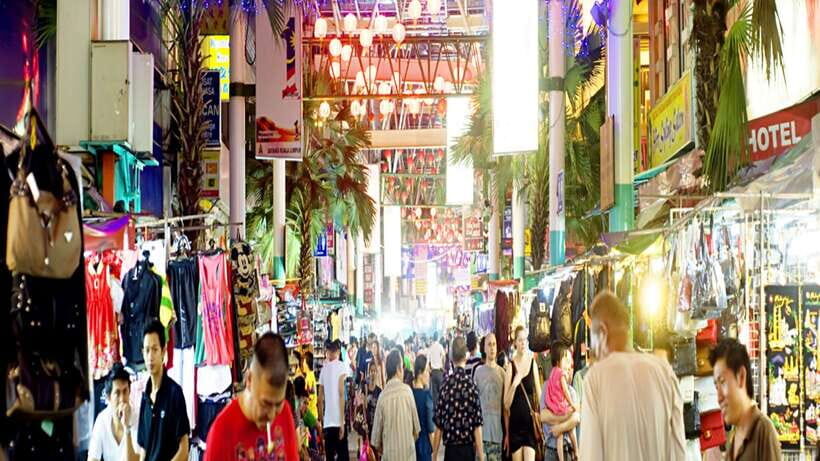
Chinatown in Kuala Lumpur is famous for a reason: it’s crowded, energetic, and packed with eating options and shops clustered right where people walk. The tour gives you a photo stop and sightseeing time, plus shopping time, so you’re not just passing through. Haggling is a common sight, and the area often includes locals as well as tourists, which makes the street feel more real than “tourist-only.”
Food is a big part of why Chinatown is worth your time. If you’re doing food tasting on this tour, this is where your senses usually kick in fastest. You might see dishes like hokkien mee, ikan bakar (barbecued fish), asam laksa, and curry noodles. Even if you don’t know all the names, you can usually spot what looks fresh and what’s drawing lines.
My practical advice here is to keep your tasting plan simple. Don’t try to “solve your whole lunch” in tiny portions. Pick one or two things you want to taste, then focus on shopping. That keeps you from ending the tour stuffed and distracted.
As for bargaining: you’ll want to treat it like a conversation, not a contest. Smile, ask questions, and decide your budget before you start. If the price doesn’t land where you want, you can keep walking—Chinatown has plenty of alternatives.
Masjid India on Jalan Masjid India: your last big shopping sweep
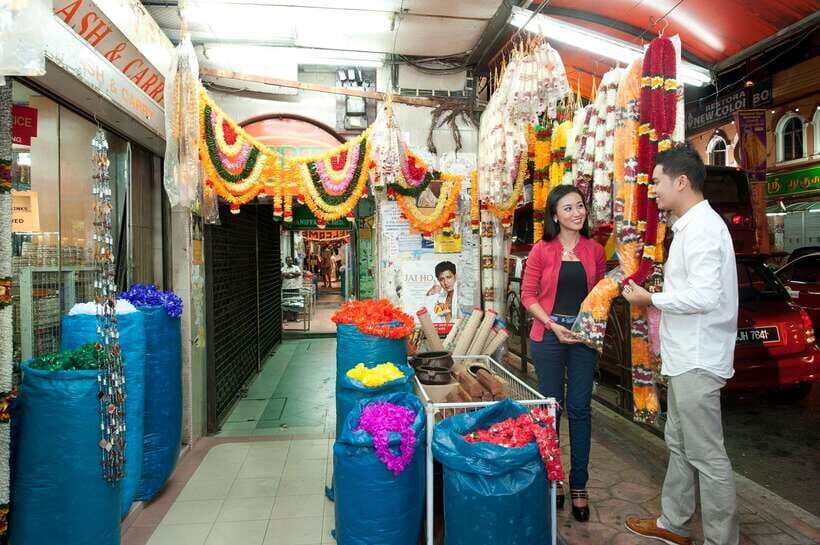
Jalan Masjid India is often where the tour’s shopping energy peaks because you’re closing in on the end of the day. It’s a strong area for clothes and souvenirs, with a mix of Malaysian, Indian, and Chinese dress options, plus all sorts of small gift ideas you can bring home.
This stop also tends to be where food tasting continues, so you can repeat your strategy: sample, then decide what you want to buy based on what you actually liked. If spices or snacks caught your attention earlier, Masjid India is a logical place to look again, especially if you’re trying to compare what’s available across neighborhoods.
What I like here is the “wrap-up” feeling. Central Market helps with structured browsing, and Chinatown helps with street bargaining and quick snacks. Masjid India ties those together with more shopping choice at the end, so you can correct your earlier decisions. You might find the exact gift you were looking for after passing it up earlier.
Time reality check: since it’s not the only stop you’ll have, don’t plan on doing everything at full detail. Instead, scan first, then buy your top picks. If you spot something you truly want—fabric, a specific souvenir style, a gift set—grab it before you get worn out.
You can also read our reviews of more tours and experiences in Kuala Lumpur
Crawford County: a quick photo and shopping add-on
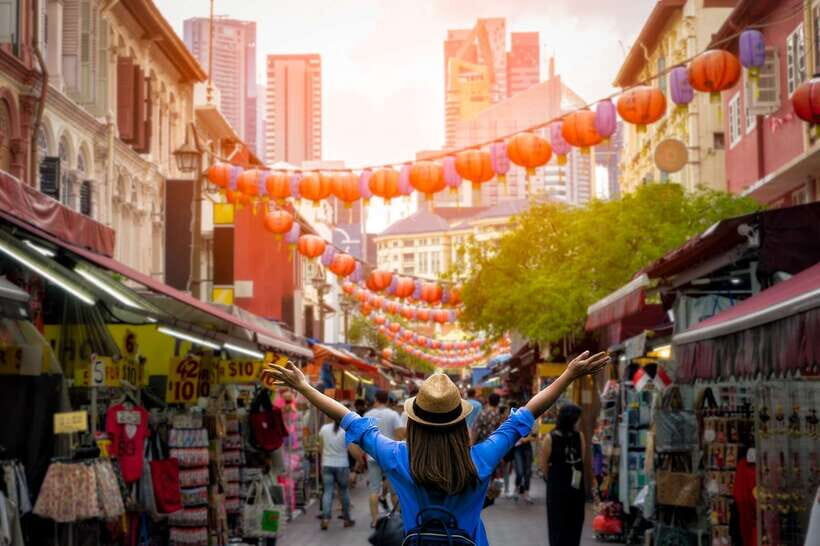
You’ll likely have a photo stop and a chunk of time for shopping and sightseeing at Crawford County. The main point of this stop is to give you another KL shopping zone and a chance for photos, without derailing the route.
Because details about the specific shop mix aren’t provided, I’d treat this stop as flexible time. Browse, snap a few pictures, and look for small items you can fit easily into luggage. If you’re focused on buying gifts, this is a helpful “extra window” when you still have energy.
If you’re the type who wants to maximize purchases, you can use Crawford County for practical extras: small souvenirs, easy-to-pack handicrafts, or anything you didn’t find at the other markets.
Getting around comfortably: pickup, AC riding, and the pace you should expect
The tour includes hotel pickup and drop-off in Kuala Lumpur. You’ll ride in an air-conditioned vehicle between stops, which is a real comfort upgrade in KL heat, especially if you’re wearing shoes you can walk in for a while.
The group setup is also worth noting. It’s a private group, so you’re not dealing with constant regrouping like on big bus tours. Still, it’s tight scheduling in a single day, so you’ll want to stay ready: water if you need it, a small bag for purchases, and a plan for what you want to buy so you don’t lose time comparing everything.
A small tip for shopping efficiency: set a rough budget per stop and decide which stop is your “buy clothes” stop versus your “buy gifts” stop. That’s how you avoid overspending when the streets are tempting.
Price and value: why $31 can make sense here
The tour is priced at $31 per person for a 4-hour experience. That price is worth evaluating based on what’s included: hotel pickup and drop-off, a 4-hour air-conditioned vehicle ride, and an English-speaking driver/guide.
If you were to recreate this on your own—transport, time spent figuring out routes, and the value of having someone explain what to look for—you’d likely spend more than you expect. The guide isn’t just a translator. They can help you understand the purpose of each market, so you know whether you’re in a place for handicrafts, clothing, spices, or quick tastings.
Where the value gets even better is when the guide adjusts to your interests. In past bookings, guides like Sathesh and Kimber have been noted for listening and improvising routes, including adding more city sights such as a Chinese temple when it fits the day. That kind of flexibility can turn a standard market crawl into a more personal KL experience.
One caution on value: because food and beverages aren’t included, you’ll want to budget a little extra for tastings and drinks beyond what’s covered. Still, the tasting opportunities can keep you from having to pay for full meals everywhere.
Who this tour suits best (and who might feel rushed)
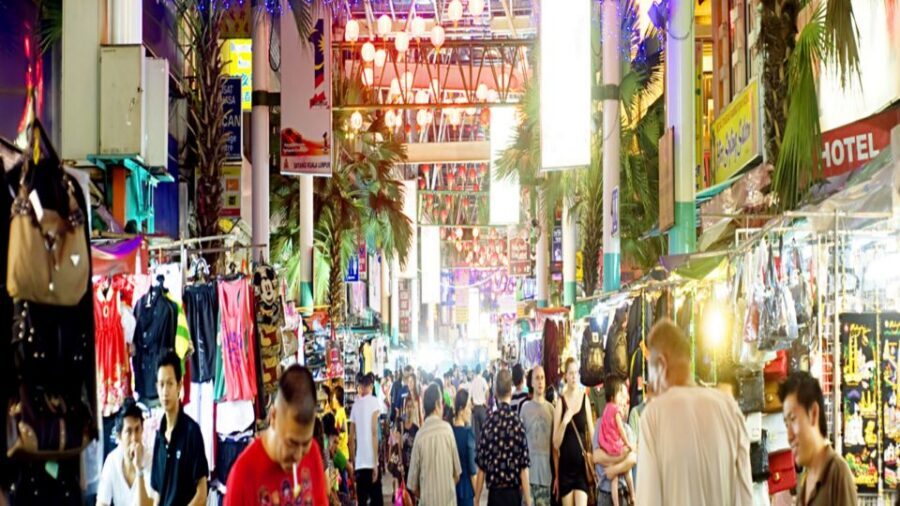
I think this tour is ideal for you if you want a well-paced taste of Kuala Lumpur’s street shopping scene: Indian neighborhood color, a heritage market stop, Chinatown bargaining, and a final shopping sweep at Masjid India.
It also suits you if you:
- Like shopping but don’t want the stress of planning each market
- Want food tasting opportunities mixed into browsing
- Prefer a guided route that keeps you from wandering in circles
- Are traveling with limited time in the city
You might feel rushed if you:
- Want to spend hours negotiating deeply at every stall
- Plan to buy many clothing items and need long fitting time
- Hate moving locations every so often
That “not enough time to see everything” point comes up when expectations are set to marathon shopping. If that’s you, choose a lighter shopping list for the day or plan to return to one market later on your own.
Should you book this Kuala Lumpur street market tour?
Book it if you want a fast, practical sampler of Kuala Lumpur’s market neighborhoods—Little India color, Central Market structure, Chinatown street energy, and Masjid India’s final shopping sweep. With hotel pickup, air-conditioned transport, and English-speaking guidance, the tour gives you a lot of buying and tasting opportunities for the money.
Skip it or consider a shorter plan if you’re mainly after one category—like high-end clothing only—or if you know you’ll feel irritated by a packed schedule. In that case, you may prefer focusing on one area for a longer session.
If you’re on the fence, my advice is simple: pick one or two must-buy categories (souvenirs, spices, gifts, or clothing) and let the rest be browsing. This tour works best when you shop with intention and use the guide to keep you moving toward the good stuff.
FAQ
How long is the tour?
The tour is listed as 4 hours, with descriptions also mentioning 4 to 6 hours depending on how the day runs.
Does the tour include hotel pickup and drop-off?
Yes. Pickup and drop-off are included from your hotel in Kuala Lumpur (pickup is for Kuala Lumpur only).
Is food included?
Food tasting is part of the experience, but food and beverages are not included.
What language is the guide?
The driver/guide is English-speaking.
Is it wheelchair accessible?
Yes, the activity is listed as wheelchair accessible.
Is free cancellation available?
Free cancellation is available up to 24 hours in advance for a full refund.