REVIEW · KUALA LUMPUR
Kuala Lumpur: Malaysian Cooking Class with Market Tour
Book on GetYourGuide →Operated by Lazat Cooking Class · Bookable on GetYourGuide
Market smells beat any cookbook. This LaZat Cooking class links a TTDI wet market morning to real stove-time at LaZat Cooking School, so you learn what goes into Malaysian food before you cook it. I love that the day starts with fresh ingredients you can actually name.
The best part for me is the 3-course lunch you make yourself, with appetizer, main, and dessert. It’s also taught in a small-group setup with the instructor and other participants, which makes it easier to ask questions and adjust as you go.
One thing to consider: it’s a long morning-to-lunch commitment at 8:30 AM, and the full experience runs 330 minutes. If you’re not a morning person, you can skip the market tour and join later, but you’ll lose that first ingredient advantage.
In This Review
- Key highlights that make this worth your morning
- TTDI Wet Market at 8:30 AM: Ingredients You Can Explain
- From Market to LaZat: Why the Transfer and Equipment Matter
- Your 3-course Lunch: Appetizer, Main, Dessert with Real Malaysian Technique
- Ana’s Philosophy Meets the Stove: Caring for Spices, Not Just Recipes
- Languages and Group Dynamics: Small Class Feel, Big Question-Friendly Energy
- Timing, Transfers, and What You Need to Arrange Yourself
- Price and Value: What You Get for $149
- Who Should Book This Class (and Who Might Not)
- Should You Book LaZat’s Market-to-Class Cooking Experience?
- FAQ
- Where is the meeting point for the market tour?
- What time does the market tour start?
- How long is the cooking class experience?
- Can I join without taking the market tour?
- What will I cook and eat during the class?
- What cooking equipment is included?
- What’s included for food and drinks?
- Is a transfer included from the wet market?
- Is alcohol included?
Key highlights that make this worth your morning
- TTDI wet market orientation before you cook, including a chance to see how stallholders work
- Individual cooking setup with your own gas burner stove, countertop, and utensils
- 3-course meal you cook and eat: appetizer, main, and dessert
- Family-recipe teaching style from LaZat Cooking, led by founder Ana’s philosophy of caring for ingredients
- English/Malay/Chinese instruction, plus a conversational teaching approach that explains culture, not just steps
TTDI Wet Market at 8:30 AM: Ingredients You Can Explain
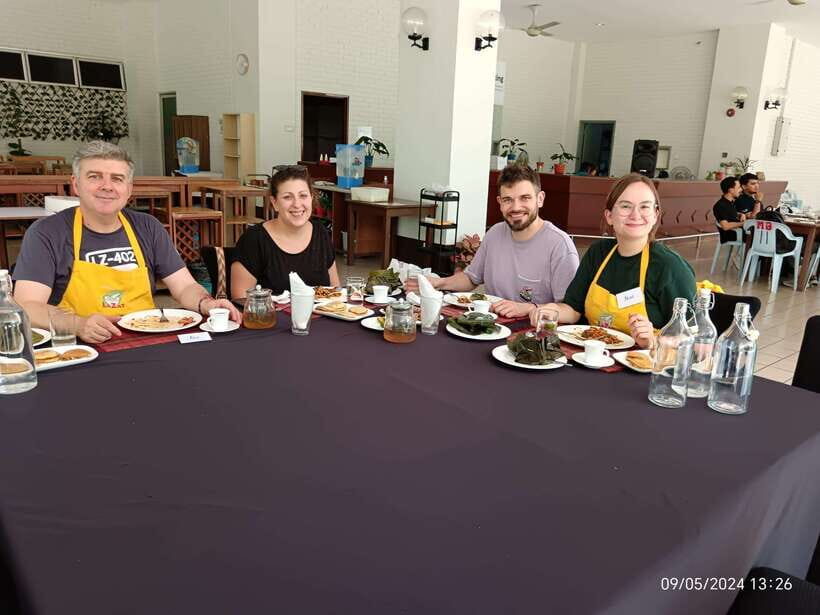
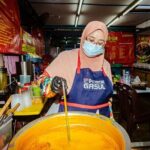
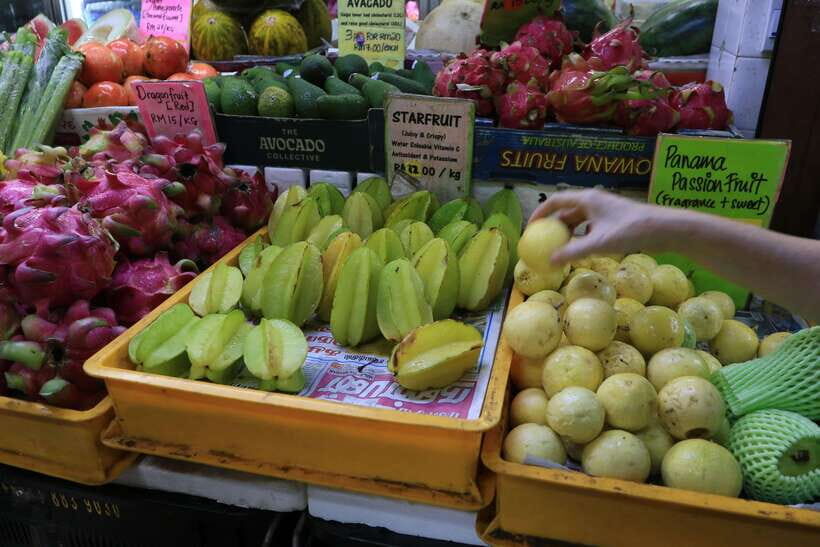
This class starts at 8:30 AM at TTDI Wet Market, with a rep waiting at the entrance facing Jalan Wan Kadir. That timing matters because you’re seeing produce and spice ingredients at the point when they’re freshest, not after they’ve sat around for hours.
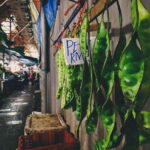
What I like here is that the market tour isn’t treated like a quick photo stop. You’re guided to understand what you’re about to cook—fresh herbs, spices, and other Malaysian staples—so when you hit the cutting board later, you know what each ingredient is for.
If you want a concrete example, one highlight from the market morning is roti canai at the market. Even if that’s not the only food you’ll encounter, it tells you the tour is designed around real local breakfast culture, not just shopping lists.
A practical tip: plan to arrive a few minutes early so you can settle in before the group begins. Markets move at the speed of the vendors, and you’ll get more out of the tour if you’re not rushing.
You can also read our reviews of more shopping tours in Kuala Lumpur



From Market to LaZat: Why the Transfer and Equipment Matter
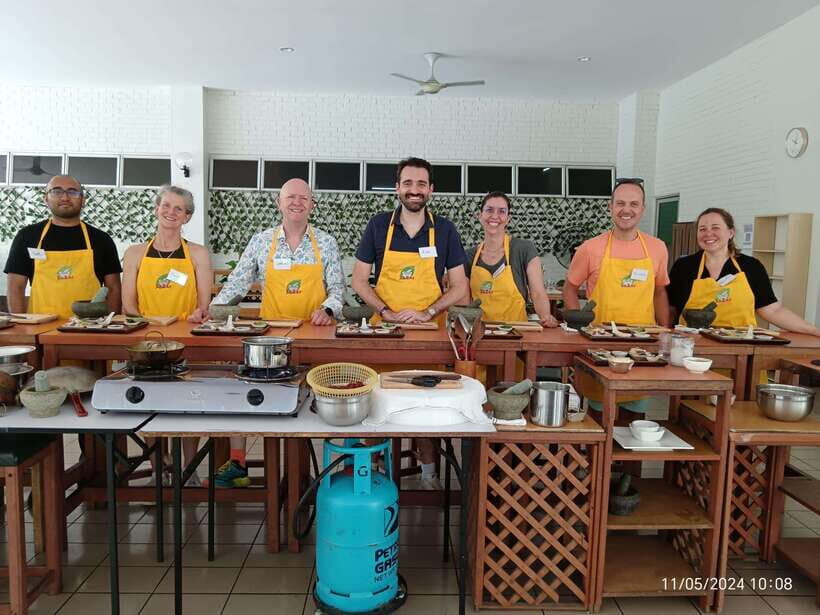
After the market tour, you’re transferred from the wet market to LaZat Cooking School. That’s included, which is a small but real quality-of-life detail—because Kuala Lumpur traffic and finding the right building can drain energy right when you want to be focused on cooking.
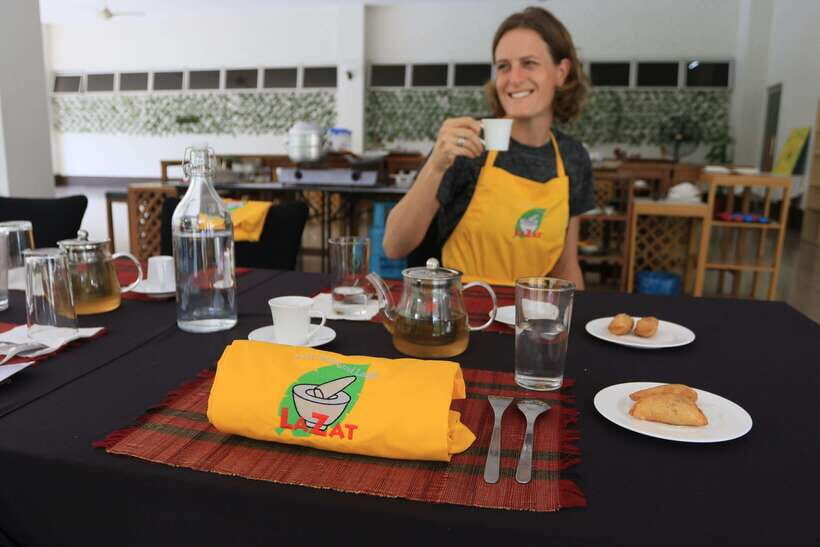
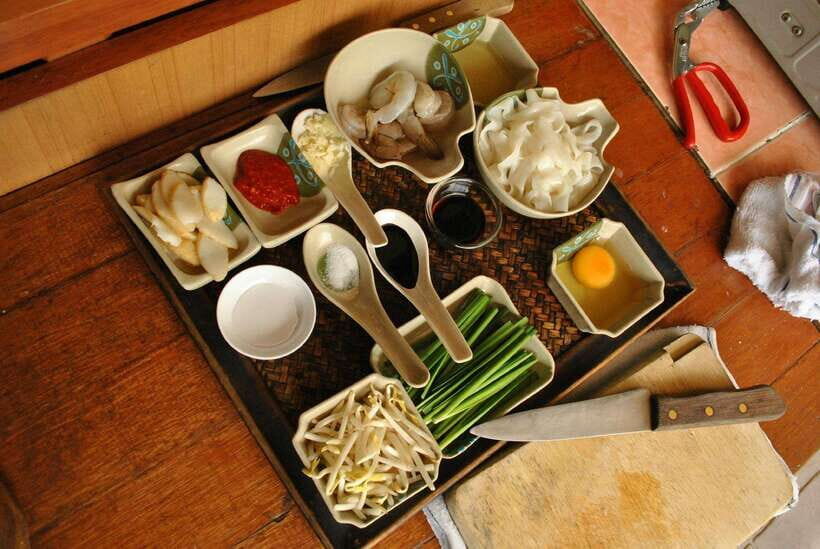
Once you get to the school, the setup is built for hands-on work. Each participant gets an individual set of equipment, including:
- a gas burner stove
- a countertop
- cooking utensils plus traditional utensils
- a mortar & pestle
That individual equipment point is underrated value. When you don’t have to wait for a shared station, you learn faster and you feel less stressed while chopping, grinding, and cooking. The mortar & pestle is especially important in Malaysian flavor-building because lots of spice mixes taste different once they’re ground and mixed properly instead of just sprinkled.
Also, you’ll be offered snacks, plus coffee and/or tea. It keeps the energy steady during a long session, especially if you skipped breakfast or you ate something light on the market walk.
Your 3-course Lunch: Appetizer, Main, Dessert with Real Malaysian Technique
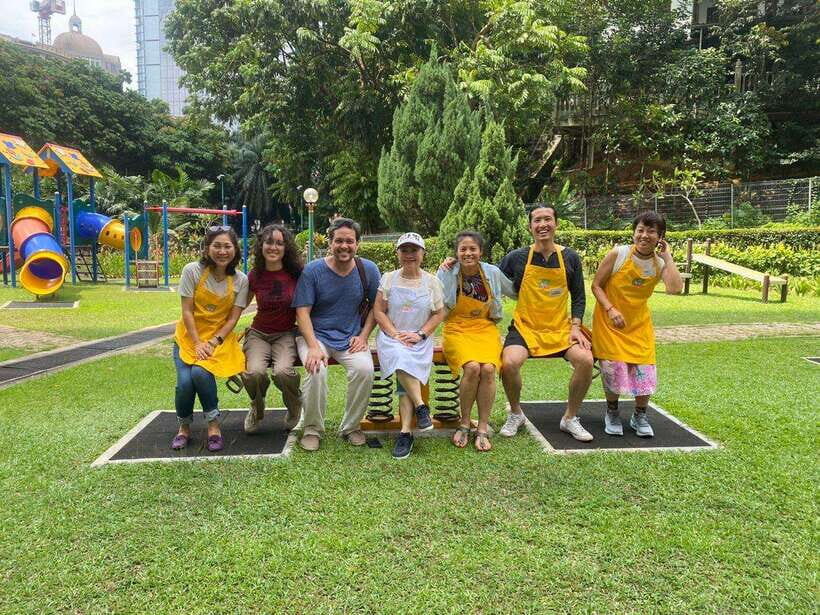
The core of the class is the lunch you create. Every day runs a different ethnic menu, but the structure stays consistent: you’ll make a 3-course lunch with an appetizer, main course, and dessert.
This format is smart for two reasons. First, you’re not stuck repeating one dish for hours. Second, Malaysian cuisine isn’t just one flavor profile—sweet, savory, aromatic, and spicy all coexist, and the menu format helps you experience that balance in a single sitting.
Based on the examples from the experience, you might cook dishes such as:
- Nasi Lemak
- Chicken Rendang
Those two dishes are a great signal of what the class aims to do. Nasi lemak is all about fragrant foundation flavors, while rendang leans into spice depth and time-tested technique. If those are on the menu for your day, you’ll likely spend time paying attention to how aromatics and spice blends transform as they cook.
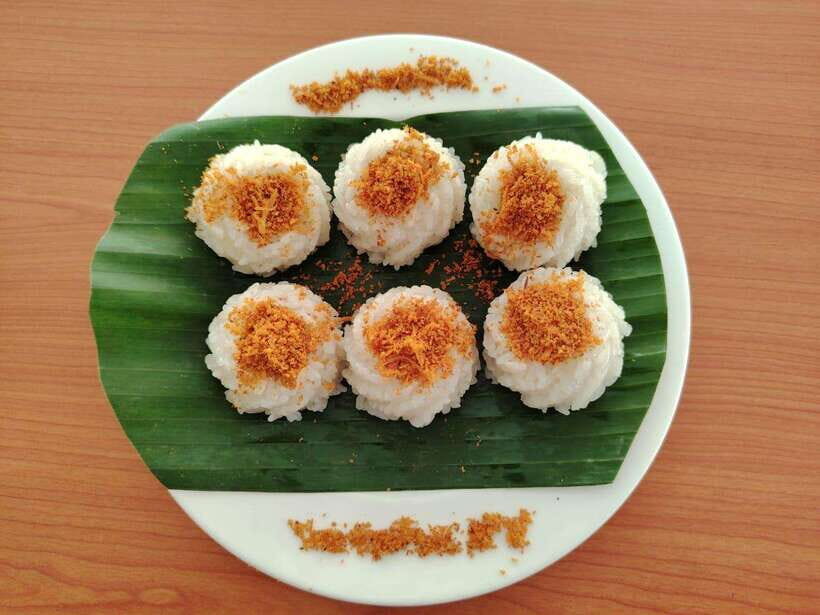
Dessert varies by the day’s ethnic menu, so instead of expecting a single “signature” dessert, focus on the skill you’re learning: how Malaysian cooks balance sweetness with spice and texture.
And because you’re cooking, not watching, you’re also building confidence. You’ll learn what “doesn’t work” in real time—like when a spice mix needs more grinding or when a flavor needs adjusting. That feedback loop is the difference between a fun outing and a skill you can take home.
Ana’s Philosophy Meets the Stove: Caring for Spices, Not Just Recipes
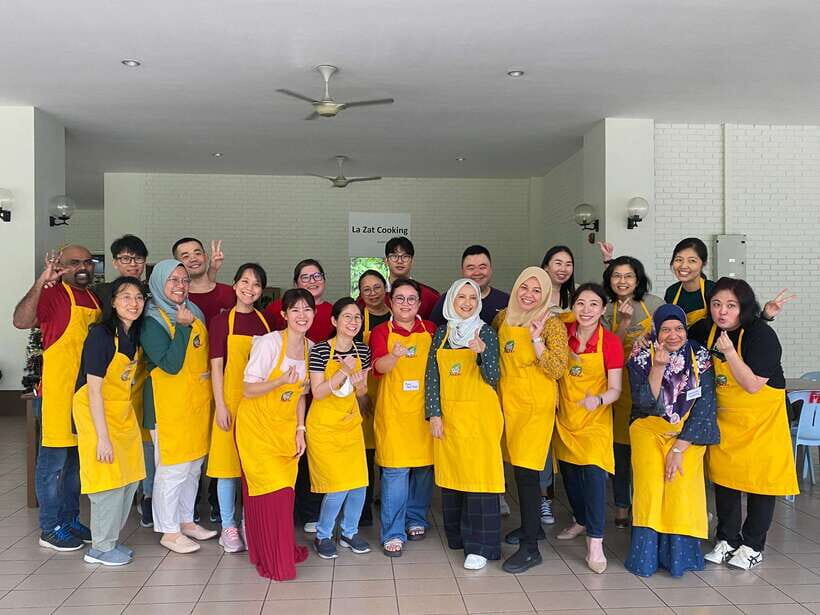
LaZat Cooking is very clear about its teaching approach: tradition plus careful ingredient handling. Founder Ana guides the class with a motto about massaging ingredients and filling them up with love. The intent is simple: Malaysian dishes aren’t treated like assembly-line food. The method matters.
From a practical reader’s perspective, this matters because it changes how you’ll remember the flavors. If you’re taught to treat herbs and spices with respect—using fresh ingredients from a garden and local farms—you’ll understand the “why” behind the taste, not just the steps.
The class also focuses on family recipes passed down through generations. That doesn’t mean you’ll sit through a lecture for hours. It means your teacher frames each dish as something lived-in: food with memory, not just food with branding.
If your instructor is Saadiah (she’s often teaching on Saturdays), that’s where the experience gets extra personal. In the teaching style described in the experience, she explains not only how to cook dishes but also the history and culture behind them, and she brings a friendly energy that makes the room feel comfortable while still being focused.
One more point I really like: the instruction includes attention to safety and enjoyment. That blend matters in a cooking class. You want to feel guided while using heat, tools, and open flame gear, not like you’re being rushed or left to figure it out alone.
Languages and Group Dynamics: Small Class Feel, Big Question-Friendly Energy
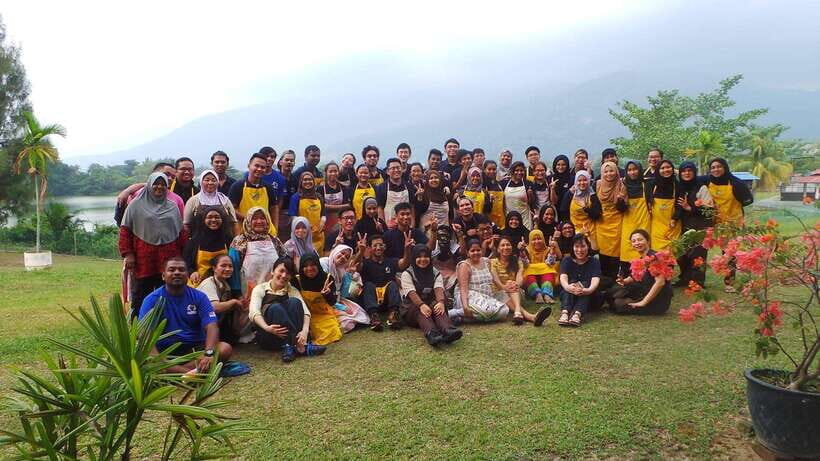
Instruction is offered in English, Malay, and Chinese. That’s helpful in Kuala Lumpur because you can sometimes find language limitations in other activities. Here, the class is set up to keep communication clear.
The class also runs in a small group. That changes everything. In a larger class, you’d spend half your time waiting. In a smaller group, you can ask questions when something doesn’t look right, and you can get help before you’ve made an entire pot of the wrong thing.
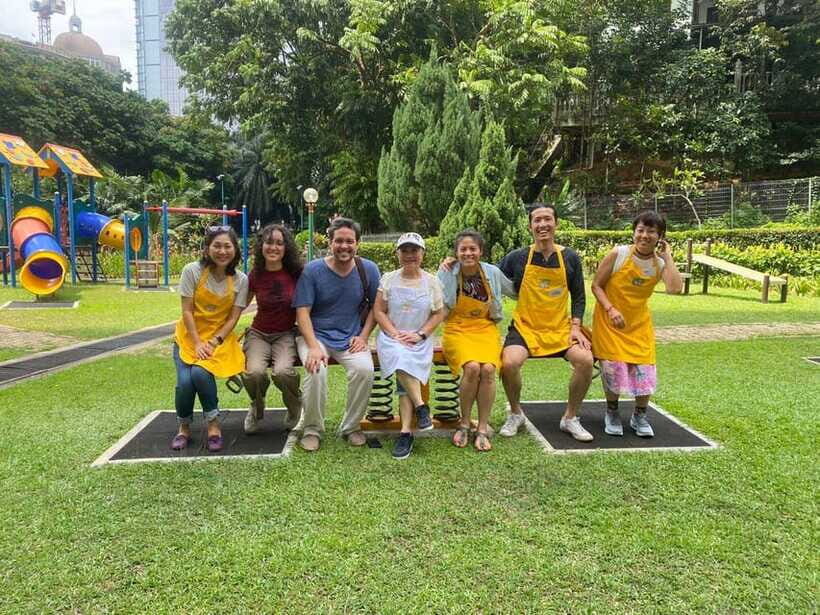
From what’s been described, the instructor and fellow participants contribute to a relaxed, enjoyable atmosphere. That doesn’t mean it’s chaotic. It means you’re more likely to understand what others are doing and why, because the pace stays human.
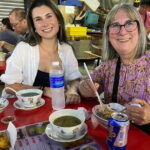
If you’re traveling solo, that small-group setup is also a friend-maker. You’ll likely eat together after cooking, and sharing your results at the table is part of why the meal feels earned.
You can also read our reviews of more tours and experiences in Kuala Lumpur

Timing, Transfers, and What You Need to Arrange Yourself
Here’s the reality check on scheduling. The experience runs 330 minutes. With a market tour starting at 8:30 AM, plan for a long, full session that ends in the middle of the day.
You can skip the market tour and join later if you prefer. That option is great if:
- you’re coming from elsewhere that morning
- you don’t want the market part
- you’d rather arrive closer to the cooking start time
Two transfer notes matter for planning:
- Transfer from the wet market to LaZat is included after the market tour.
- Transport to the wet market (Pasar Besar TTDI) is not included.
- Transport after class finishes is not included.
So you’ll want to arrange your own ride to TTDI wet market, and plan how you’ll get back after the class. The good news is that once you’re in the flow, the included transfer removes one major headache.
Also, since you’re eating the lunch you make, treat this class like a meal anchor in your day. Don’t schedule something right after unless you enjoy rushing.
Price and Value: What You Get for $149
At $149 per person for a 330-minute market-to-kitchen experience, you’re paying for more than a cooking show. You’re paying for ingredient context, guided cooking instruction, and the actual meal experience you produce.
Here’s how the value stacks up based on what’s included:
- a market tour where you learn about local ingredients
- hands-on instruction while you cook
- your own individual equipment set, including stove, utensils, and mortar & pestle
- snacks
- coffee and/or tea
- transfer from the wet market to the school after the market tour
What’s not included:
- alcoholic beverages
- transport to the wet market
- transport after class finishes
To me, the value makes sense if you care about cooking skills or you want to understand flavors beyond tasting. If you’re only looking for a quick bite and don’t want to cook anything yourself, you can probably find cheaper food experiences. But if you want technique and knowledge you can use again at home, this price is easier to justify.
The safest approach: treat it like a paid workshop plus lunch. You’re not just buying food; you’re buying time, tools, guidance, and a meal you assemble with your own hands.
Who Should Book This Class (and Who Might Not)
You’ll likely love this experience if you:
- want Malaysian food explained through ingredients first
- enjoy hands-on activities more than watching
- like the idea of learning dishes that are clearly Malaysian staples, not just “internationalized” versions
- prefer a small group where questions are easy to ask
- want the chance to learn in English, Malay, or Chinese, depending on your comfort level
You might think twice if:
- you don’t want a long session (330 minutes is a chunk of your day)
- you strongly prefer to avoid early starts, since the market portion begins at 8:30 AM
- you’re hoping for a short tasting event rather than cooking and eating what you make
If you’re flexible, the market-tour skip option can help you tailor the day to your energy level without losing the main cooking class.
Should You Book LaZat’s Market-to-Class Cooking Experience?
I’d book this if your goal is more than eating well. The pairing of a wet market ingredient tour with a structured 3-course lunch you cook yourself is the real appeal. Add in individual equipment (including a mortar & pestle), snacks, coffee/tea, and a small-group teaching vibe, and the day starts to feel like a proper skill-building workshop.
On the other hand, if you only want a quick food highlight and you don’t want to manage the timing of a long session, you might prefer a shorter tasting-style activity.
My final advice: if you can handle the morning start—or you’ll use the option to skip the market—this is one of those Kuala Lumpur experiences where you leave with both full stomach and practical know-how. And if Saadiah is teaching your day, it’s a particularly strong bet for culture plus cooking instruction.
FAQ
Where is the meeting point for the market tour?
You meet at TTDI Wet Market. A rep waits at the entrance facing Jalan Wan Kadir.
What time does the market tour start?
The market tour starts at 8:30 AM.
How long is the cooking class experience?
The total duration is 330 minutes.
Can I join without taking the market tour?
Yes. You can skip the market tour and join later.
What will I cook and eat during the class?
You’ll create a 3-course lunch: an appetizer, a main course, and a dessert.
What cooking equipment is included?
Each participant gets an individual set of equipment, including a gas burner stove, countertop, cooking utensils, traditional utensils, and a mortar and pestle.
What’s included for food and drinks?
You’ll have snacks, plus coffee and/or tea.
Is a transfer included from the wet market?
Yes. Transfer from the Wet Market to LaZat Cooking School is included after the market tour.
Is alcohol included?
No. Alcoholic beverages are not included.