REVIEW · KUALA LUMPUR
Private Half-Day Batu Caves and Cutural Tour in Kuala Lumpur
Book on Viator →Operated by Travelvago · Bookable on Viator
Temple steps, incense, and big mosque gardens, all in one half-day. This private Kuala Lumpur tour strings together a Hindu, Buddhist, and Muslim highlights run with door-to-door transport. It’s a smart way to get context fast, without spending your day stuck figuring out buses or chasing opening hours.
What I like most is the time-saving setup. You start with hotel pickup, then you move between landmarks with a driver who keeps things smooth. Second, you get a guide who explains what you’re seeing—many folks scored this part highly with guides such as Aru, Yuva, Kugan, Shiva, Ayyanar, and Luis, plus others like Prasan, Anand, and Nathan.
One thing to watch: this tour includes the 272-step climb at Batu Caves. If you’re limited by walking, breathing, or stamina, plan carefully (or bring a different day plan). Also, traffic in Kuala Lumpur can be slow at times, so your “4 hours” can feel tighter if the city is jammed.
In This Review
- Key things to know before you go
- Private driver, 4-hour flow, and why it’s a smart use of your KL time
- Batu Caves: Lord Murugan, the 272 steps, and monkey-smart visiting
- The main drawback at Batu Caves
- The drive through Little India (Brickfields) and why it’s more than a shortcut
- Thean Hou Temple: Mazu, incense, and a snack break you’ll actually use
- National Mosque (Masjid Negara): 240-foot minarets, gardens, and Friday closure reality
- Dress code (don’t skip this)
- Friday closure note
- Chinatown stop and Central Market: where the souvenirs and simple meals are
- Price and value: is $35 for this KL loop worth it?
- Who this tour suits best (and who should rethink it)
- Practical tips to make the day feel smooth
- Should you book this Batu Caves and religious sites tour?
- FAQ
- How long is the Batu Caves and cultural tour?
- What stops are included in the tour?
- Is Batu Caves admission included?
- What’s included in the price?
- Are meals included?
- Is the National Mosque open for tourists every day?
Key things to know before you go
- Private, hotel-based convenience: pickup and drop-off by air-conditioned vehicle keeps the day simple.
- A clean cultural circuit: Batu Caves (Hindu), Thean Hou Temple (Mazu), National Mosque (Islam).
- Monkeys at Batu Caves: enjoy the chaos from a safe distance—don’t bring food.
- Dress code matters at Masjid Negara: cover knees and shoulders for ladies.
- Friday timing caveat: the National Mosque is closed to tourists on Friday.
- You can snack in the right place: Thean Hou Temple area has food stalls nearby.
Private driver, 4-hour flow, and why it’s a smart use of your KL time
This is built like a “hit the highlights, but don’t feel rushed” outing. You choose a morning or afternoon start (9am or 2pm), and your driver meets you at your hotel. Then you’re off in an air-conditioned vehicle that handles the between-stop travel. For a first visit to Kuala Lumpur, that matters. You’re not guessing the route, and you’re not losing time waiting around.
The other advantage is pacing. Because it’s private, you can usually take a little more time at the spots that hook you—especially at Batu Caves, where crowds can be part of the experience. Many guide stories in the feedback emphasize flexibility: guides like Ayyanar and Nathan were described as patient and willing to adjust the time you spend at each site.
The tradeoff is that you’re still packing multiple big landmarks into a half-day. If you’re the type who wants slow museum browsing, you might feel the schedule lightly squeeze you. Traffic can also be a factor. Even when everyone tries to be punctual, Kuala Lumpur road conditions can eat time.
You can also read our reviews of more private tours in Kuala Lumpur
- Private Tour Kuala Lumpur with Petronas Twin Towers Observation Deck & Batu Cave
★ 5.0 · 1,029 reviews
Batu Caves: Lord Murugan, the 272 steps, and monkey-smart visiting
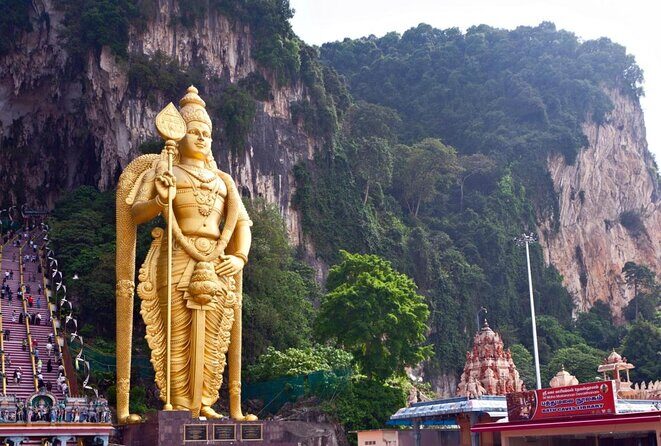
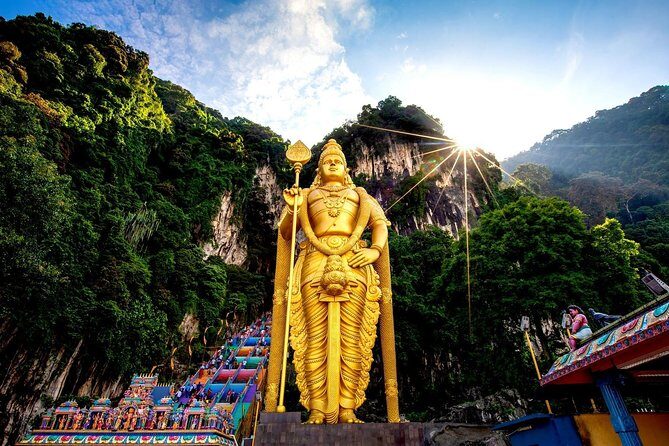
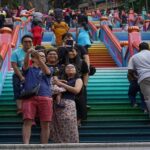
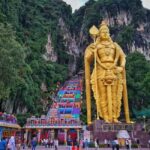
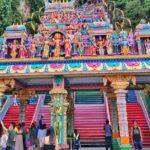
Batu Caves is the headliner. The drive takes about 30 minutes, and you’ll pass through colorful neighborhoods along the way (including the Little India area around Brickfields). Then you face the iconic climb: 272 steps up to a towering statue of Lord Murugan.
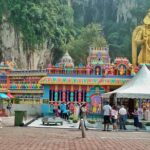
Once you reach the complex, you don’t just get one viewpoint. You get the sense of being inside a living religious landscape. Batu Caves houses Hindu shrines and a series of cave temples, drawing worshippers from around the world. You’ll also see the cave system as a kind of journey—shaded areas, open sections, and spaces where people pause for prayer or photos.
And yes, you’ll see monkeys. They live near the caves, and they can feel bold. The practical rule is simple: don’t bring food, don’t tease them, and don’t act surprised when they look at your bag. A common piece of advice from the experience feedback is that ignoring them and keeping snacks put away keeps things much calmer.
The main drawback at Batu Caves
The steps are real. If you struggle with stairs or have breathing limits, this stop is the part most likely to disappoint. I’d treat Batu Caves as a “go only if you can comfortably manage the climb” situation. Even if you’re fine walking, crowded days can slow your rhythm.
If you go on a very busy day, you can expect more people moving through the same spaces. You’ll still be able to see the caves, but your ability to linger depends on the flow around you.
The drive through Little India (Brickfields) and why it’s more than a shortcut
Between Batu Caves and central Kuala Lumpur, the route matters. This tour has you travel through Little India in Brickfields—so you’re not just riding through bland roads. You’ll pass colorful streets en route, which gives you an early taste of Malaysia’s multi-ethnic mix.
Is it a full stop with browsing time? No. It’s more of a “see it while you move” moment. But that still helps, because it breaks up the day and gives you context. When you’re standing at Batu Caves later, you’re not arriving from a vacuum. You’re arriving with some visual memory of the neighborhoods that feed into the city’s culture.
Thean Hou Temple: Mazu, incense, and a snack break you’ll actually use
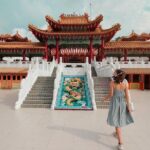
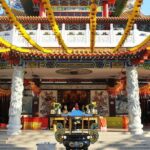
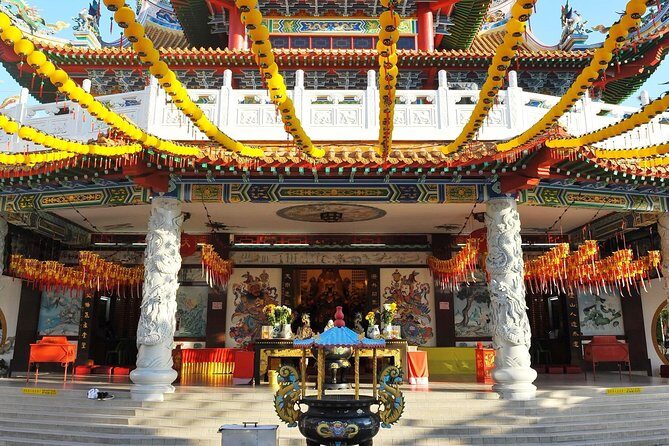
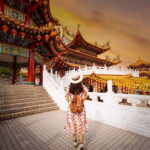
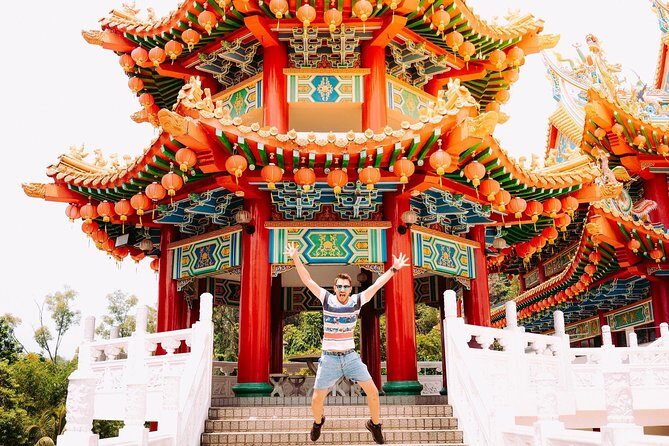
After Batu Caves, you head to Thean Hou Temple. This is a landmark Chinese temple dedicated to Mazu, known as the Chinese Sea goddess. The temple is described as a six-tiered Chinese structure, and it’s the kind of place where details matter—rooflines, layered architecture, and prayer spaces that feel more spacious than you might expect.
What makes this stop practical is that it’s also a break. The temple is surrounded by a cluster of Malaysian and Chinese food stalls, so you can pick up a snack without scrambling for food afterward. Since food isn’t included in the tour price, this is a nice built-in option.
Think of Thean Hou Temple as the “slower spiritual intermission.” After Batu Caves and its stairs, this stop tends to feel less intense and more about atmosphere and sightseeing. You’ll still see worshippers and incense in use, and you’ll get a better sense of how Chinese religious practice shows up in Kuala Lumpur’s day-to-day life.
You can also read our reviews of more tours and experiences in Kuala Lumpur

National Mosque (Masjid Negara): 240-foot minarets, gardens, and Friday closure reality
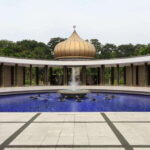
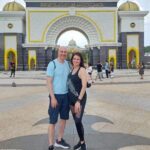
Masjid Negara is big. This National Mosque can accommodate up to 15,000 people, and the minarets rise to about 240 feet (73 meters). That scale changes how the building feels. Instead of a small, intimate mosque experience, you get the full “major landmark” effect.
The mosque is surrounded by 13 acres (5.2 hectares) of manicured gardens with walking paths. Even if you’re not focused on architecture, the grounds make it a pleasant place to look around for a while. You can slow down without feeling like you’re wasting time.
Dress code (don’t skip this)
For ladies, the guidance is clear: wear a long dress, skirt, or trousers that cover the knees, and make sure your shoulders are covered. If you don’t meet it, you may have trouble getting in or feeling comfortable. I’d pack light layers just in case.
Friday closure note
National Mosque is closed for tourist visits on Friday. That’s a big scheduling detail. If your trip overlaps a Friday, you’ll want to consider a different day or confirm how your tour handles that closure.
Chinatown stop and Central Market: where the souvenirs and simple meals are

This tour also includes a short Chinatown-area visit and a stop at Central Market.
Chinatown time is brief, but it puts you near lots of food stalls and local favorites. If you’re hungry after temple stops, this is where you can grab something fast and keep your energy for the ride back.
Central Market is the practical souvenir stop. It’s described as a place you can buy local souvenirs and handicrafts, and that’s usually what people want at the end of a half-day loop: something tangible to bring home without over-planning.
If your goal is to keep the day focused on culture and not shopping, you can treat these stops as quick “browse and snack” breaks. If you want a little retail time, they’re the stops that fit that.
Price and value: is $35 for this KL loop worth it?
At about $35 per person for a private half-day tour, this isn’t priced like a “drive-by bus sightseeing.” You’re paying for four main things:
- Private hotel pickup and drop-off in an air-conditioned vehicle
- A driver/English-speaking guide who keeps the day organized
- Entrance pricing that’s listed as free for the Batu Caves stop
- Time efficiency—you’re hitting major religious landmarks in about 4 hours
In Kuala Lumpur, DIY visits can add up fast. Taxis and ride-hailing for multiple destinations can cost more than you expect once you factor in waiting time and route planning. This tour also reduces friction: you’re not tracking where to stand, what to see first, or how to get from one landmark to the next.
Does it include everything? No. Food and beverages aren’t included. That said, Thean Hou Temple’s nearby stalls give you a good option to solve lunch or a snack.
For the money, this tour feels best if you want a guided “greatest hits” day that still respects the sites. If you hate stairs and mosque dress rules, then the value drops for you. But if you’re open to walking and being culturally mindful, $35 is a reasonable way to get a lot done with a guide.
Who this tour suits best (and who should rethink it)
This is a strong match if you:
- Want an easy intro to Kuala Lumpur’s religious landmarks in a single afternoon or morning
- Prefer private transport over public transit
- Like learning context while you walk, not after the fact
- Enjoy flexible pacing—many guides were praised for being accommodating, including adjustments for extra time at Batu Caves
It’s less ideal if you:
- Can’t manage stairs (Batu Caves is the main issue)
- Are visiting on a Friday without a plan for Masjid Negara’s tourist closure
- Need lots of free time at each location (this tour is paced to fit several big stops)
Also, if you’re traveling with kids or grandparents, this can work well when your group energy matches the climb. Some feedback specifically highlights families who appreciated the help navigating and asking questions, with guides and drivers described as patient.
Practical tips to make the day feel smooth
- Wear shoes you can climb in. You’ll do stairs at Batu Caves and likely walk on paths near the mosque gardens.
- Bring water. It’s not included, but some guides in the feedback were said to provide water.
- Keep snacks out of sight at Batu Caves. Monkey encounters go better when you don’t tempt them.
- Dress for the National Mosque rules. Shoulder coverage and knee coverage for ladies are key.
- Plan for traffic. If your departure is right when roads get crowded, you might have less buffer time than you expected.
And here’s one small mental trick: treat this tour like three different “moods.” Start with Batu Caves energy, shift to Thean Hou Temple atmosphere, then end with Masjid Negara’s calmer garden scale.
Should you book this Batu Caves and religious sites tour?
Book it if you want a guided half-day that brings together major religious landmarks with private pickup, helpful explanations, and logical time use. The price-to-effort ratio is strong, and the stops cover Hindu, Buddhist (via Mazu), and Muslim worship spaces plus a couple of KL quick-hit neighborhoods.
I’d think twice (or plan your day carefully) if you’re unable to handle the Batu Caves climb or if your travel dates land on a Friday when the National Mosque is closed to tourists. If either of those is you, you’ll still get plenty of KL flavor on other days, just not this exact version.
FAQ
How long is the Batu Caves and cultural tour?
It runs about 4 hours.
What stops are included in the tour?
The main stops are Batu Caves, Thean Hou Temple, and the National Mosque (Masjid Negara). The tour also includes a short time in Chinatown and a stop at Central Market, plus the drive passes through Little India/Brickfields.
Is Batu Caves admission included?
The tour information lists admission as free for the Batu Caves stop.
What’s included in the price?
Hotel pickup and drop-off by air-conditioned vehicle, an English speaking driver/guide, and all toll, tax, and service charges are included.
Are meals included?
No. Food and beverages are not included, though there are food stalls near Thean Hou Temple where you can grab snacks.
Is the National Mosque open for tourists every day?
No. The National Mosque is closed for tourist visits on Friday.
More Private Tours in Kuala Lumpur
- Private Tour Kuala Lumpur with Petronas Twin Towers Observation Deck & Batu Cave
★ 5.0 · 1,029 reviews