REVIEW · KUALA LUMPUR
From Kuala Lumpur: Private Batu Caves Cultural Tour
Book on GetYourGuide →Operated by E Asia Holidays · Bookable on GetYourGuide
Temple steps, incense, and stories in three hours. This private Batu Caves cultural tour pairs a guided temple walk with time to take it all in—plus a stop at the Ramayana Caves and a batik workshop-style visit. It’s a focused outing with hotel pickup, air-conditioned transport, and an English-speaking guide to help you read what you’re seeing.
What I really like is how the guide turns the site into something you can understand fast—things like why the temple matters to Hindu visitors in Malaysia and what the murals and chants mean in context. I also love the big visual moments: the golden statue of Lord Murugan and the illuminated Ramayana scenes, which make this feel less like a quick stop and more like a proper cultural visit (for example, guides such as Nithia and Yati show up in recent bookings as standout performers).
The main consideration is physical and practical: you’ll face 272 steps at Batu Caves, and the temple dress code is strict (no tank tops, shorts, or mini skirts). Add in monkeys on the climb and the need to plan for shoes and covered legs, and this is best when you’re ready to go hands-on, not just snap photos.
In This Review
- Key highlights you’ll actually feel during the tour
- How the KL pickup and 3-hour flow keeps things easy
- Batu Caves: 272 steps, chanting, incense, and the Murugan statue
- Monkeys and shoes: the two practical things to plan for
- Dress code: follow it early, not at the gate
- Ramayana Caves (Suyambu Lingam): where the epic becomes sculpture
- The batik factory stop at East Coast Batik (Batik CHONG)
- Cost and value: is $34 per person a smart deal?
- Who this tour is best for (and who should rethink it)
- Practical tips so the caves feel smoother
- Should you book this private Batu Caves cultural tour?
- FAQ
- How long is the tour?
- What stops are included in the tour?
- Is the Ramayana Caves entry fee included?
- Do I get hotel pickup and drop-off?
- What is the dress code at the temple?
- How many steps are there at Batu Caves?
- Is this tour private and in English?
Key highlights you’ll actually feel during the tour
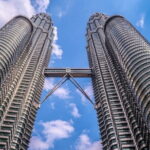
- Door-to-door comfort: Private pickup from the KLCC-area hotels (within a 5 km radius of the Petronas Twin Towers) and an air-conditioned vehicle.
- A guided path, not a random wander: Explanations en route about Hindu culture in Malaysia and temple etiquette before you step into the caves.
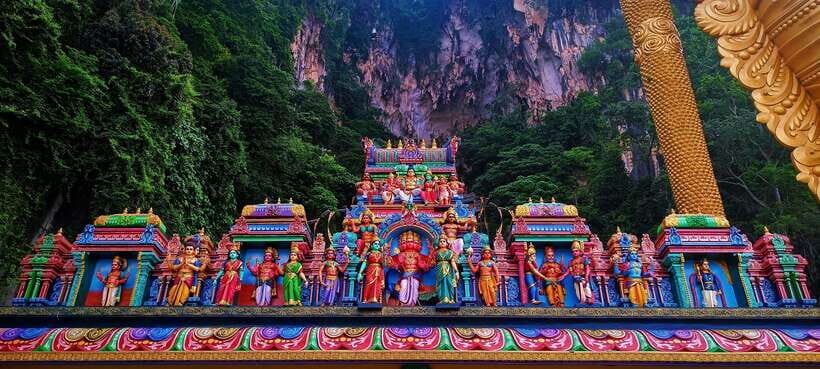
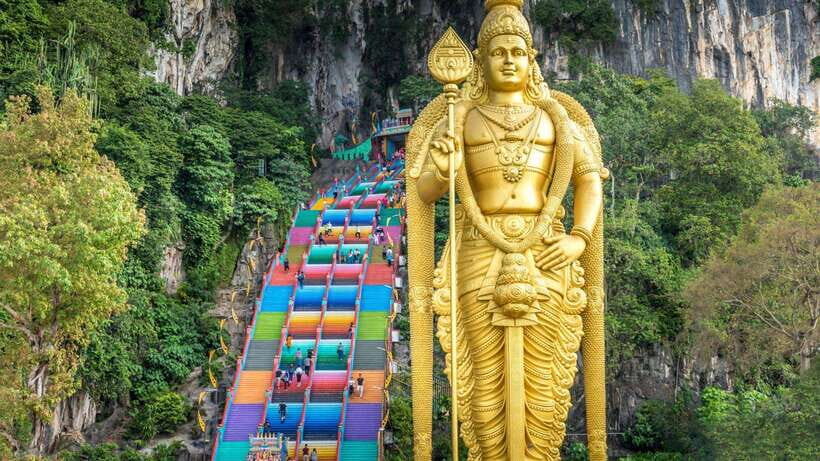
- Batu Caves’ “wow” factor: The climb to cave shrines with murals, incense, chants, and the famous Murugan statue.
- Ramayana Caves as storybook stonework: Sculptures and wall carvings featuring Rama, Sita, Hanuman, and Ravana, plus the giant Hanuman outside.
- Batik made in front of you: Watch artisans apply wax and dye fabric at East Coast Batik (Batik CHONG) and buy gifts if you want.
How the KL pickup and 3-hour flow keeps things easy
This tour is built for people who want the headline sights without the hassle of sorting transport and timing. You start with pickup from your Kuala Lumpur hotel, and the van ride gets you moving quickly—about a 30-minute drive before you reach Batu Caves.
Once you’re in the vehicle, the guide doesn’t waste time. You’ll get a quick, practical orientation on what you’ll see, how to act at a place of worship, and why the Batu Caves are important to Hindu pilgrims. That context matters because otherwise you can stand in front of statues and murals and only catch the surface visuals.
Then the schedule stays tight: roughly 75 minutes at Batu Caves, about an hour at the Ramayana Caves, and a short 25-minute batik stop. Because it’s private, the guide can also adjust the pace a bit—some bookings mention guests receiving help with mobility needs, and that’s exactly where a live guide makes a difference instead of a scripted group bus.
You can also read our reviews of more private tours in Kuala Lumpur
- Private Tour Kuala Lumpur with Petronas Twin Towers Observation Deck & Batu Cave
★ 5.0 · 1,029 reviews

Batu Caves: 272 steps, chanting, incense, and the Murugan statue
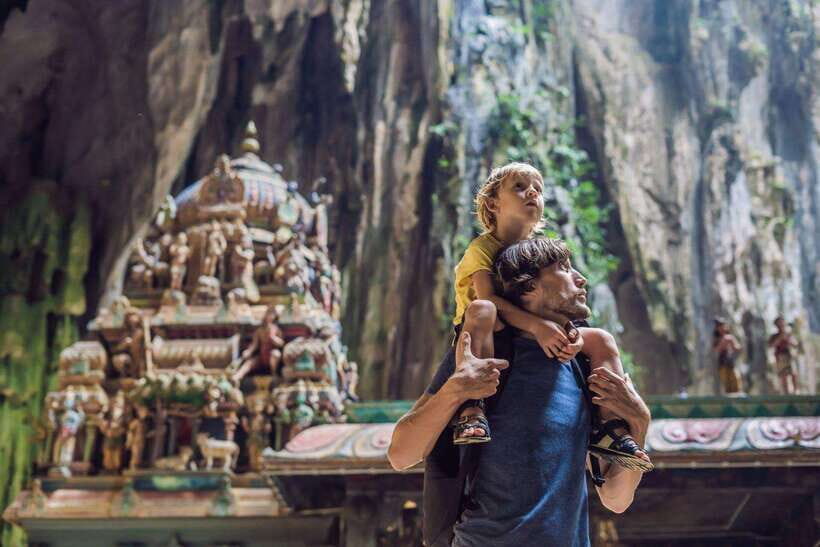
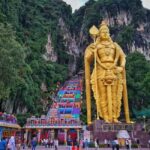
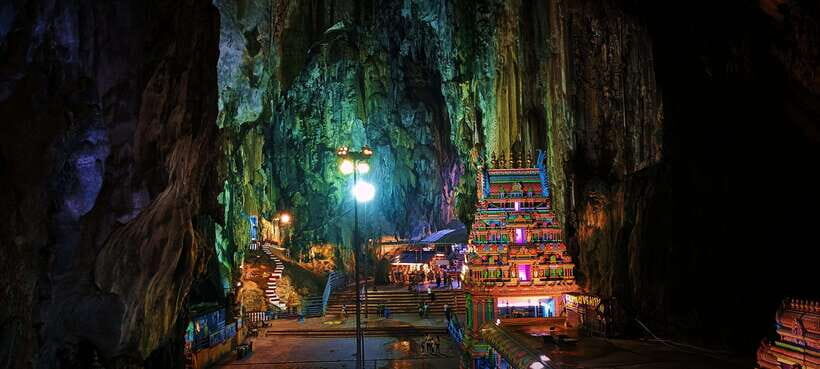
The Batu Caves visit is the heart of the tour, and the first thing you’ll feel is the climb. You’ll go up 272 steps to reach cave shrines, with the golden statue of Lord Murugan acting like a landmark you can’t miss. It’s a great way to “arrive” psychologically before you’re even inside.
As you climb, you’ll notice two things at once: the cave complex is active and lived-in. Murals of Hindu scripture line the route, and you’ll likely spot macaques along the cliff areas. The vibe can shift from tourist curiosity to genuine temple atmosphere the closer you get to the main caves—especially once chanting and incense become part of what you’re hearing.
Inside, you get time to look around at your own pace. The tour timing gives you about an hour to take in the caves, soak up the scale, and line up photos without feeling like you’re racing a clock every minute. That matters here because Batu Caves is visually layered: you don’t just look at one statue—you read an environment full of carvings, colors, and worship details.
Monkeys and shoes: the two practical things to plan for
This is one of those places where preparation beats panic. You’ll want to be firm about monkey safety: skip any food you don’t need, and keep items secure during the climb. Several guides get praise for giving real tips on how to avoid trouble with monkeys.
Also expect temple logistics around feet. Some bookings specifically mention removing shoes. If you’re the type who hates surprises, wear socks you don’t mind getting damp or dusty, and go in with a calm mindset. The site isn’t designed to be spa-clean—it’s a working sacred space.
Dress code: follow it early, not at the gate
The temple rules are strict: no tank tops, shorts, or mini skirts, and shoulders and legs must be covered. This isn’t just for politeness; it’s the difference between a smooth start and a delay while you figure out what to wear.
If you don’t travel light, plan ahead with a lightweight cover-up (something you can put on quickly) and pants or long skirts that fit the rule. You’ll feel more comfortable the moment you’re dressed correctly, because you can focus on the site instead of worrying about getting turned away.
Ramayana Caves (Suyambu Lingam): where the epic becomes sculpture
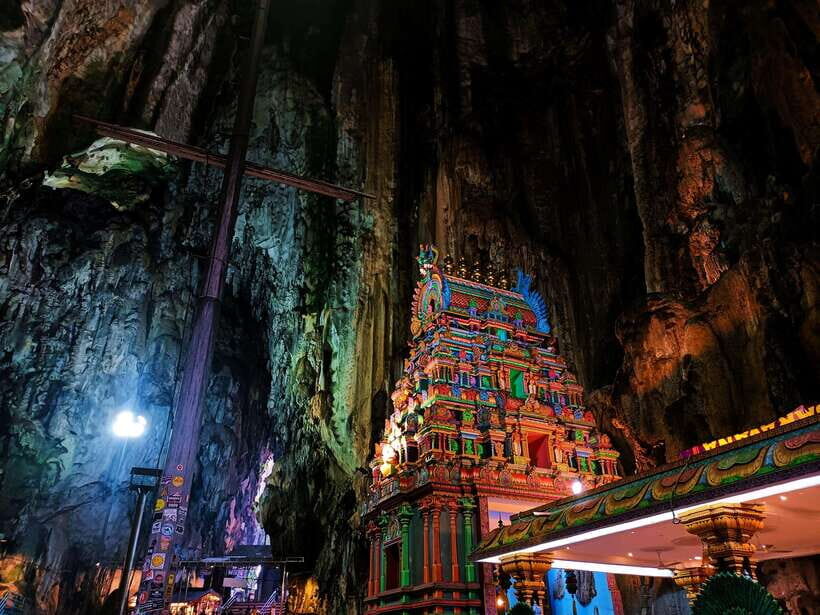
After Batu Caves, the tour heads to the Ramayana Caves (Suyambu Lingam), and the mood shifts from general temple worship to a more story-driven experience. You’re looking at scenes and characters from one of the most famous Hindu epics—Lord Rama, Sita, Hanuman, and Ravana—expressed through murals and sculptures.
You’ll see illuminated scenes and detailed wall carvings, which make this stop much easier to understand with less effort than you might expect. It’s not just decorative; it’s staged like a narrative. If you pause and let your eyes connect figures to scenes, you’ll feel the story line rather than just collecting images.
A standout moment is the giant Hanuman statue outside the cave, described as a must-see. That exterior landmark helps you frame the interior work: you arrive with one strong image already in your mind, and then the cave becomes the supporting cast.
You get about an hour here, which is usually enough for photos plus actual looking. In a place like this, 20 or 30 minutes can feel rushed. An hour means you can slow down, step back to see how the carvings relate, and still meet the tour pace.
You can also read our reviews of more historical tours in Kuala Lumpur




The batik factory stop at East Coast Batik (Batik CHONG)
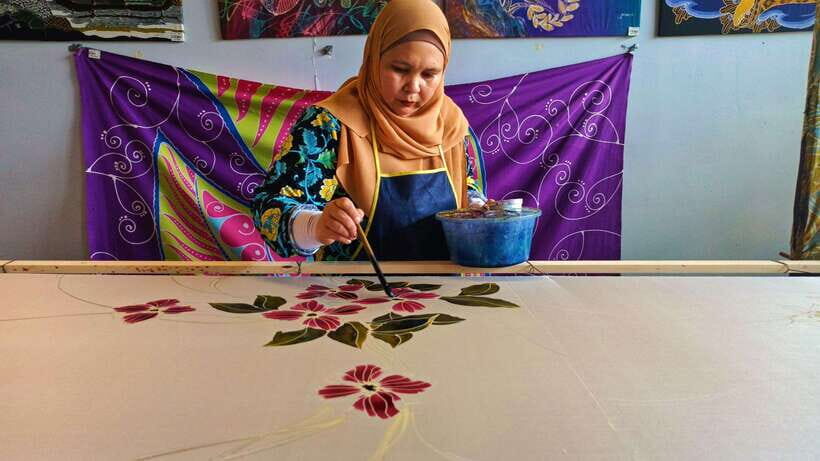
The last stop is the batik experience at East Coast Batik Sdn Bhd (Batik CHONG). This is shorter—about 25 minutes—so think of it as a taste of the craft rather than a long workshop. Still, it’s one of the best parts of the tour for people who want something tangible to take home that connects directly to Malaysian culture.
You’ll see artists at work and watch the basic process: wax is applied, then the fabric is dyed. That sequence is the key to batik’s look—resist wax areas stay protected while other parts absorb color, producing those crisp patterns you recognize even when you’ve never tried making it yourself.
Because time is limited, the factory visit is most enjoyable when you’re curious and willing to slow down for a few minutes to watch hands work. It’s also your window to shop if you want gifts or wearable art. Some guides are praised for having no pressure, and that makes a difference because a quick shop stop can otherwise feel like a trap—here, the craft viewing is the real value.
Cost and value: is $34 per person a smart deal?
At $34 per person for a 3-hour private tour, the value comes from what’s bundled—not from the price alone. You’re paying for hotel pickup and drop-off, air-conditioned transport, a private driver-guided experience in English, and the Ramayana Caves entry fee.
If you tried to piece this together yourself, you’d likely spend similar money on transport plus tickets plus the hassle of lining up the right timing between Batu Caves and Ramayana Caves. Here, the timing is already handled. You also get the guide’s explanation while you’re moving, which reduces the mental load of figuring out temple etiquette on your own.
The other value piece is the private format. In the kind of places where rules, steps, and crowd flow matter, private guidance helps you spend time looking instead of navigating. Recent bookings highlight guides like Rajan and Bob for being punctual and informative, which is exactly what makes a short tour feel worth it.
The trade-off is that the tour is intentionally short. If you’re the type who wants long temple wandering or multiple add-on stops, you may feel the batik time is brief. But for a first-time visit focused on the must-sees, it’s priced to match the format.
Who this tour is best for (and who should rethink it)
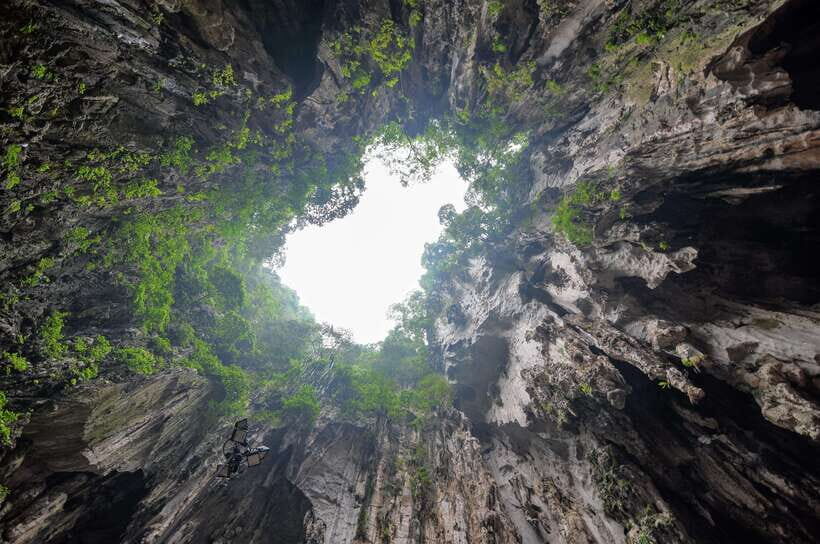
This works especially well for first-time visitors to Kuala Lumpur who want a cultural experience that doesn’t swallow your whole day. You get two iconic cave sites, plus the craft stop, all within a tight timeline that starts at your hotel.
It’s also a strong fit if you care about context. Several guide names come up in bookings—like Nithia, Abdul, Charlie, and Kevin—often paired with praise for clear explanations and making the visit feel personal rather than robotic. If you like learning what you’re seeing while you’re standing there, this is a good match.
Where you should reconsider is if either of these is a dealbreaker:
- You can’t do 272 steps. Even when the climb isn’t “extreme fitness,” it’s still real stairs and uneven surfaces.
- You’re not willing to follow the strict temple dress rules. If you show up in the wrong clothes, you’ll have friction right when you need comfort.
If you’re traveling with kids, the steps may still be manageable for some families—one booking even mentions the steps being fine for a child—so it’s not automatically a “no.” But I’d be practical: bring a plan for breaks, and decide based on your group’s comfort level.
Practical tips so the caves feel smoother
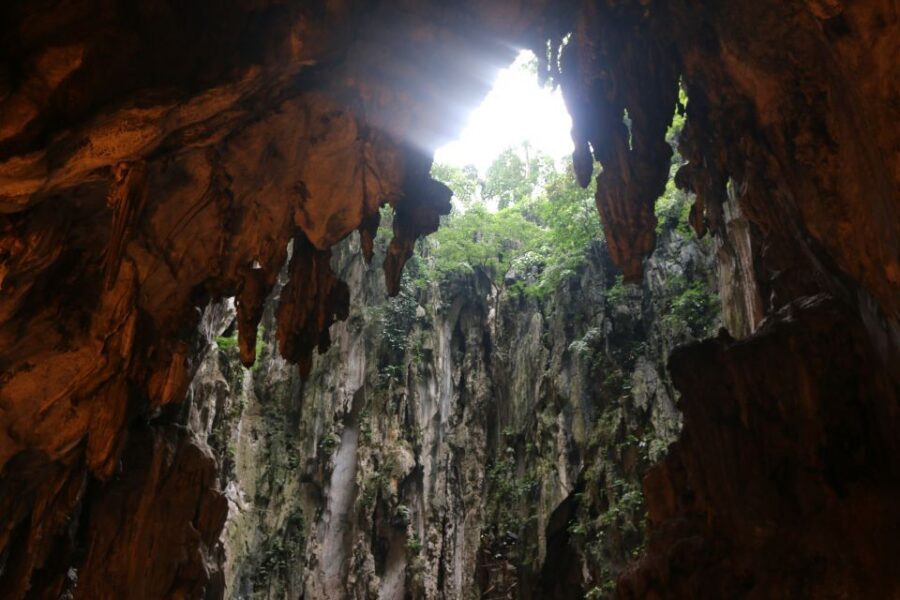
Here are the things that keep Batu Caves from feeling stressful, based on what you’ll encounter on site and what guides tend to warn about.
- Dress for the rules before you leave the van. Cover shoulders and legs. Don’t assume you can fix it at the last second.
- Plan for shoes. If you’re asked to remove them, go in prepared with comfortable foot covering and easy-to-manage shoes.
- Handle monkeys like a pro. Don’t bring food you don’t need. Keep your things secure as you move through busy areas.
- Wear grippy, comfortable footwear. You’ll be walking in a sacred space with changes in floor texture and lighting.
- Bring patience for sensory details. You’ll hear chanting and smell incense inside. That’s part of what makes the experience feel alive.
One small timing mindset helps too: if you can, aim for earlier starts. Multiple bookings praise early visits as a way to reduce crowd pressure. Less crowd means you can take photos and look at murals without constant shoulder-checking.
Should you book this private Batu Caves cultural tour?
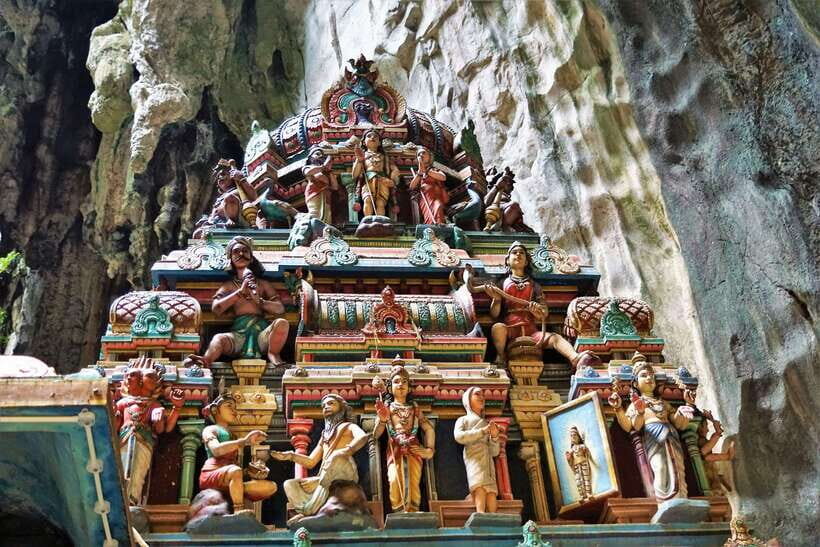
If your goal is a first visit to Batu Caves done right, with a guide who explains what you’re seeing and a schedule that doesn’t eat your entire day, I think booking is a very sensible move. The combination of Batu Caves + Ramayana Caves + a batik craft stop fits people who like highlights with enough context to make them meaningful.
I’d only hesitate if the 272 steps or strict clothing rules feel like major friction for your group. In that case, you might prefer a different plan that reduces stair time. But if you can handle the climb and you’re ready to respect temple etiquette, this is one of the cleaner, well-structured ways to experience the caves and leave with a better understanding than you’d get from a quick self-guided wander.
FAQ
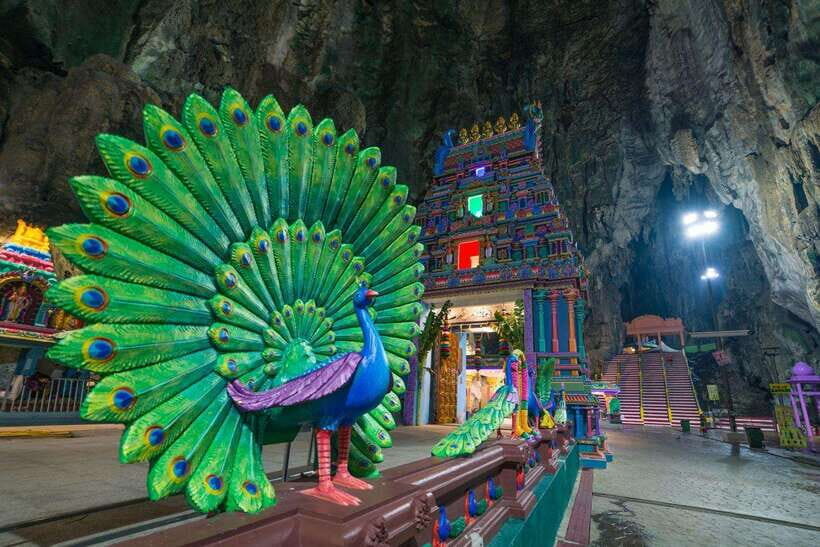
How long is the tour?
The tour duration is 3 hours.
What stops are included in the tour?
You’ll visit Batu Caves, the Ramayana Caves (Suyambu Lingam), and a batik factory at East Coast Batik Sdn Bhd (Batik CHONG).
Is the Ramayana Caves entry fee included?
Yes, the Ramayana Caves entry fee is included.
Do I get hotel pickup and drop-off?
Yes. Hotel pickup and drop-off are included for hotels/residences within a 5 km radius of the Petronas Twin Towers, and you’ll be picked up from your hotel lobby.
What is the dress code at the temple?
The temple has a strict dress code: no tank tops, shorts, or mini skirts are allowed. Shoulders and legs must be covered.
How many steps are there at Batu Caves?
There are 272 steps to reach the cave entrance.
Is this tour private and in English?
Yes, it’s a private group tour, and the host/greeter is English.

More Private Tours in Kuala Lumpur
- Private Tour Kuala Lumpur with Petronas Twin Towers Observation Deck & Batu Cave
★ 5.0 · 1,029 reviews