Spice, noodles, and a market map. This Traditional Malaysian Cooking Class with Market Tour is a smart way to see how Malaysians shop, cook, and eat, then bring it all to your own plate. You start at TTDI Wet Market, learn about ingredients and herbs, and then cook a set of local favorites with step-by-step coaching.
I really like the mix of market learning plus hands-on cooking. You’re not just watching; you’re using utensils, mixing ingredients, and building dishes yourself. I also like that the experience is led by people who explain the why, not just the how, and you may even get a guide like Sally in the market and a teacher like Irene in the kitchen.
One potential drawback to think about: hotel pickup and drop-off aren’t included, and the tour ends back at the meeting point. So you’ll want to plan your own ride to Pasar Besar Taman Tun Dr. Ismail before you book.
In This Review
- Key things that make this tour worth your time
- TTDI Wet Market at 8:15am: The Real Start of Malaysian Cooking
- 8:30am to 1:30pm: How the Cooking Class Runs (Without the Guesswork)
- Char Kway Teow, Nasi Lemak, Roti Canai: What You’ll Cook and Why It’s a Great Mix
- Char kway teow
- Nasi lemak
- Roti canai
- The Ingredient Stories: Learning Herbs and Malaysian Food Culture, Not Just Recipes
- Lunch at 1:30pm: Communal Dining With Food You Actually Made
- Price and Value at About $149.96: When This Makes Sense
- Practical Tips for Your Cooking Day in Kuala Lumpur
- Should You Book This Market Tour and Cooking Class?
- FAQ
- Where is the meeting point for the market tour?
- What time does the cooking class start and end?
- Is hotel pickup or drop-off included?
- What dishes will I cook in the class?
- Are vegetarians or vegans able to join?
- How large is the group?
- What happens if the minimum number of travelers isn’t reached?
Key things that make this tour worth your time
- TTDI Wet Market meets your cooking class at the start (meet at 8:15am, activity runs about 5 hours)
- Small group size up to 14 means you’re more likely to get personal attention at your station
- Hands-on cooking stations with step-by-step instruction for mixing and utensil use
- Classic dishes built into the lesson, including char kway teow, nasi lemak, and roti canai
- Lunch is what you cook, so you eat the results together at the end
TTDI Wet Market at 8:15am: The Real Start of Malaysian Cooking
Your day begins at Pasar Besar Taman Tun Dr. Ismail, specifically at the TTDI Wet Market meeting point (TS37). You’ll want to arrive about 15 minutes early, because the tour starts with a market-and-food focus, not a long meet-and-greet.
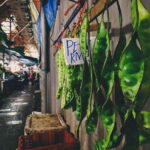
Why this matters: Malaysian cooking is ingredient-driven. When you see items in a wet market setting, everything makes more sense than it does from a cookbook photo. You’ll get a guided introduction to the foods and seasonings used in Malaysian kitchens, including stories about food culture, ingredients, and herbs. This isn’t just trivia. It’s practical context that helps you cook with more confidence later.
In the market, you’re likely to learn how different herbs and ingredients fit into local dishes. A good guide (for example, Sally has been mentioned as a market guide) can also help you notice differences you wouldn’t spot on your own—like which items are used for aroma, which are used for texture, and how flavors get layered.
A small heads-up: because you’re meeting at the market (and there’s no included hotel pickup), you should be ready to handle the “getting there” part yourself. If you’re staying far away or you hate coordinating taxis, factor that into your plan.
You can also read our reviews of more shopping tours in Kuala Lumpur
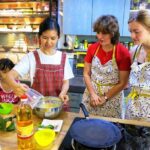


8:30am to 1:30pm: How the Cooking Class Runs (Without the Guesswork)
After the market tour start, the cooking class begins around 8:30am and finishes at about 1:30pm, after lunch. The format is designed for both beginners and more experienced cooks, and that’s a big deal if you’re traveling as a mixed group.
The flow goes like this:
First, there’s a health and safety briefing. You’ll get told how to use the utensils safely and how the stations work. Then you move into a hands-on, step-by-step lesson at your own kitchen station.
That “your own station” detail is more important than it sounds. In many cooking classes, you end up watching someone else do the work while you wait. Here, you’re actively cooking. Even if you’re new, you’ll get coached as you mix ingredients and work through the stages. And if you’ve cooked before, you’ll still appreciate the structure—especially if you’re used to one country’s method and you want to learn Malaysian technique properly.
Communication is also a plus: classes are conducted in English, so you can focus on learning rather than decoding. And the group stays small (maximum 14 travelers), which usually means fewer bottlenecks at the stove or worktop.
One more practical note: this is a true morning activity. You’ll finish the class with lunch, but you won’t have the rest of the day “buffered” afterward. Plan your Kuala Lumpur afternoon accordingly, especially if you’re hopping to other sights.
Char Kway Teow, Nasi Lemak, Roti Canai: What You’ll Cook and Why It’s a Great Mix
The lesson is built around Malaysian comfort classics, and you’ll cook several key dishes. The highlights include:
- Char kway teow (fried noodles)
- Nasi lemak (coconut rice)
- Roti canai (flaky Indian bread-style favorite)
The big value here is balance. Malaysian food often shines because of contrast: savory with fragrant, fried with soft, simple ingredients with big flavor payoff. By cooking noodles, rice, and bread, you get a wider feel for the cuisine than you would from, say, only one entree.
Char kway teow
Fried noodles can look straightforward, but the technique matters—heat control, timing, and how everything gets combined. In a hands-on setting, you’re learning these steps directly. The real win is that you’ll understand how the dish comes together through action, not just explanation.
Nasi lemak
Coconut rice is comfort food in Malaysia for a reason. Cooking it lets you experience how coconut flavor changes the base of a meal. Even if you’ve had nasi lemak before, making it yourself helps you appreciate how the rice becomes the foundation for everything served alongside.
You can also read our reviews of more tours and experiences in Kuala Lumpur
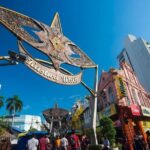
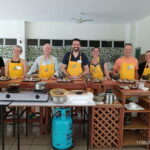
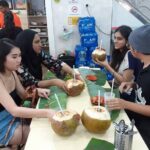
Roti canai
Bread-making can intimidate people, but roti canai is also a great learning dish because it teaches technique—how dough behaves, how it stretches, and what “flaky” actually means when you’re handling it. You’ll be working with Indian bread elements that are fully integrated into Malaysian food culture.
The common thread across all these dishes: you’re using fresh local ingredients, with ingredient guidance built into the class. That means when you leave, you’ll have a clearer sense of what to buy and how to think about the flavor roles.
The Ingredient Stories: Learning Herbs and Malaysian Food Culture, Not Just Recipes
This class does something many cooking tours skip: it explains food culture alongside cooking. During the lesson you’ll hear interesting stories about Malaysian food culture, plus how ingredients and herbs are used.
This matters because Malaysian cuisine isn’t one single-style cooking tradition. It’s a blend of influences, and food names don’t always tell the whole story. When someone explains why a herb is used—fragrance versus heat versus freshness—it changes how you cook afterward.
You also get the benefit of conversation time. The class experience is social by design: you’ll cook together, talk with local culinary instructors, and connect with the other guests while working on your dishes.
If you’re the type who likes to understand the “logic” behind cooking, this is a strong fit. And if you’re mainly there to learn how to make a few meals at home, the coaching still pays off because you’ll be practicing technique in a structured way.
One gentle caution: because vegetarians and vegans are welcome, you may need substitutions depending on your dietary needs. The tour data says substitutions can be made, so communicate your requirements clearly at booking so your class plan stays smooth.
Lunch at 1:30pm: Communal Dining With Food You Actually Made
Lunch isn’t an afterthought here. You eat what you prepared during the cooking class. That turns the meal into a reward—and also a built-in moment to compare results.
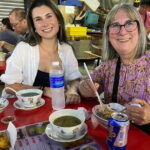
Communal dining is part of the experience, and it helps you connect with other cooks in the group. When you’ve just spent a few hours cooking, it’s easier to chat naturally than it is during a sit-down meal where everyone’s waiting on the next course.
This is also the moment where you can spot what you did right. If your noodles are evenly cooked or your rice texture worked out, you’ll know because you built it step-by-step. If something went sideways, the instructor and group discussion can help you figure out what to adjust next time.
Try to go into lunch hungry but patient. You’re finishing a busy morning that runs about five hours total, and lunch is the payoff at the end—not a quick snack break.
Price and Value at About $149.96: When This Makes Sense
At $149.96 per person, this isn’t a “cheap and cheerful” class. The value depends on what you want out of it.
Here’s what you’re getting that supports the price:
- A small-group experience (maximum 14)
- Market tour included, with an English-speaking guide
- All ingredients and equipment provided
- Lunch included, made from what you cook
- Hands-on instruction with step-by-step coaching
So the class isn’t just a cooking session. It’s also a shopping-and-ingredient education. For many people, that extra half-day context is what makes the difference between buying one meal you didn’t cook and leaving with skills you can repeat.
The big trade-off is logistics: hotel pickup and drop-off aren’t included, and the activity ends back at the meeting point. If you’re staying close by, this is easy. If you’re staying far from TTDI Wet Market, you’ll spend extra time coordinating your way there and back.
Also note: the tour requires a minimum of 4 people to operate. If there aren’t enough bookings, you should expect an alternative date or a full refund.
If you want a structured morning that teaches technique, includes a market walk, and ends with a shared lunch you earned, this price can feel fair. If you’re only interested in cooking one simple dish or you need hotel pickup, you might feel the cost more.
Practical Tips for Your Cooking Day in Kuala Lumpur
Here’s how to set yourself up for an easy, low-stress experience based on the practical details you’ll face.
- Get there early. The start time is 8:15am at the market. Showing up on time helps you avoid rushing when you’re trying to focus.
- Plan your own transport. Since hotel pickup and drop-off aren’t included, decide now how you’ll reach Pasar Besar Taman Tun Dr. Ismail and get back afterward (the tour ends at the meeting point).
- Wear shoes you can stand in. You’ll be walking in a market environment and then working at a kitchen station.
- Ask about substitutions if needed. Vegetarians and vegans are welcome, and ingredients can be substituted. Tell the team your dietary needs so the cooking plan fits you.
- Come with curiosity. The best part isn’t only the food. It’s the stories about ingredients and herbs, and the chance to cook with coaching.
If you’re visiting Kuala Lumpur on a short schedule, this is also a nice “anchors your taste buds” activity. It gives you a food-world reference point for everything you try afterward.
Should You Book This Market Tour and Cooking Class?
Book this if you want a real taste of Malaysian food culture with hands-on cooking and a guided TTDI Wet Market start. It’s a strong choice for couples, friends, and families who like learning while doing, and it works well whether you’re a beginner or you’ve cooked before.
Skip it or at least rethink it if you’re expecting hotel pickup and a low-effort itinerary. You’ll need to get to the meeting point on your own, and the experience ends there too. At $149.96, you’ll feel best if you’re treating it as a full morning class with market education, not just a quick cooking session.
If you want the easiest way to walk away with both recipes and understanding, this is one of those meals-that-changes-how-you-shop-and-cook back home.
FAQ
Where is the meeting point for the market tour?
The meeting point is Pasar Besar Taman Tun Dr. Ismail, TTDI Wet Market (TS37, Pasar Besar, Taman Tun Dr Ismail, 60000 Kuala Lumpur). You meet there at 8:15am.
What time does the cooking class start and end?
The class starts at 8:30am and ends at about 1:30pm, with lunch included. The activity returns you back to the meeting point.
Is hotel pickup or drop-off included?
No. Hotel pickup and drop-off are not included, and you’ll meet at the market location.
What dishes will I cook in the class?
You’ll cook Malaysian favorites such as char kway teow (fried noodles), nasi lemak (coconut rice), and roti canai (flaky bread). Additional local dishes may be part of the class.
Are vegetarians or vegans able to join?
Yes. Vegetarians and vegans are welcome, and ingredients can be substituted.
How large is the group?
The tour has a maximum of 14 travelers, keeping it small-group and hands-on.
What happens if the minimum number of travelers isn’t reached?
The tour requires a minimum of 4 passengers to operate. If it’s canceled because there aren’t enough travelers, you’ll be offered a different date/experience or a full refund.