REVIEW · KUALA LUMPUR
Kuala Lumpur Heritage 4-Hour Walking Tour
Book on GetYourGuide →Operated by BE MIND TOURIST WORLD SDN BHD · Bookable on GetYourGuide
Four hours, five worlds. This small-group Kuala Lumpur walking tour strings together Central Market, Chinatown, and major temples so you understand how different communities built the city’s center. I especially like the way it pairs food tastings with temple visits, so cultural meaning doesn’t stay stuck in a guide’s lecture.
What I like most is the guide-led pacing. You get a local-style route through covered market lanes and old-school neighborhoods, plus practical temple etiquette that makes it easier to respect the spaces and actually try what’s offered. The one snag to watch: the meeting point directions can be a little fiddly, so give yourself extra time to find the Tourist Information and Interaction Centre.
In This Review
- Key things that make this tour worth your time
- Walking KL’s heritage instead of speeding through it
- Meeting point math: Central Market to the Tourist Information Centre
- Central Market and Kasturi Walk: where the route starts to feel local
- Break time and photo stops that actually help
- Chinatown isn’t just a street: it’s a story you can follow
- Sin Sze Si Ya Temple: seeing rituals through respectful guidance
- Practical note on what to ask
- Sri Mahamariamman Temple and the culture-to-food connection
- Food tastings: why this tour gets the balance right
- Ending at Masjid Jamek LRT: getting back to your real day
- Price and value: what you get for $60
- Who this walking tour is best for
- Should you book this KL heritage walk
- FAQ
- How long is the Kuala Lumpur Heritage walking tour?
- Where do I meet the guide?
- What places does the tour include?
- Is the tour suitable for kids?
- How big is the group?
- Is there food or drinks included?
- What language is the tour guide?
- Is there free cancellation?
- Is pay later available?
Key things that make this tour worth your time
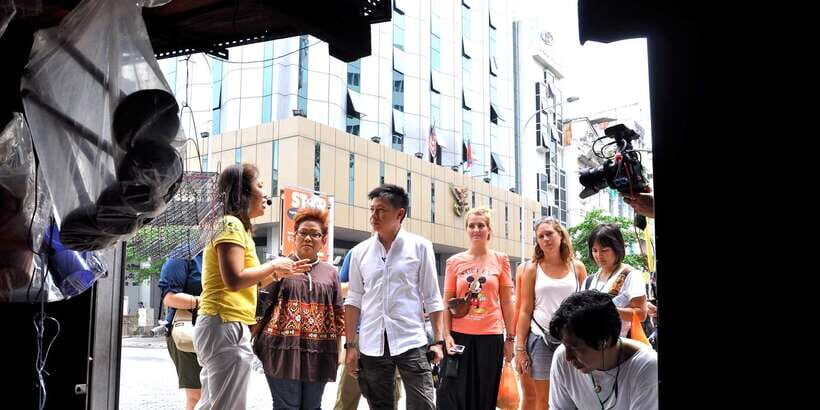
- Central Market as a hub: you start in the historic heart and work outward on foot.
- Kasturi Walk flea-market lanes: covered market atmosphere without feeling like a shopping spree.
- Chinatown origin stories: the early Chinese and Indian settler background gives you something to connect the sights to.
- Temple visits with real-world etiquette: Sin Sze Si Ya and Sri Mahamariamman are treated as lived-in spiritual spaces.
- Multiple food stops across ethnic traditions: tastes come in chunks so you’re not just grazing.
Walking KL’s heritage instead of speeding through it
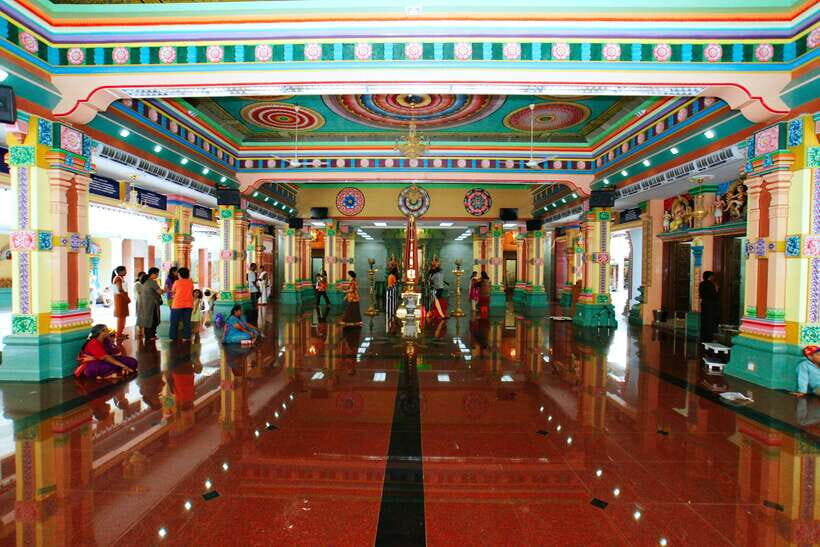
Kuala Lumpur can feel like a city of contrasts. Tall towers, big roads, and fast taxis. But the center tells a slower story, and that is exactly where a walking tour makes sense. In four hours, you’re not trying to conquer the whole city. You’re learning how the older commercial streets and houses of worship connect to daily life.
This one is built around a simple idea: start with the public spaces, then move into the spiritual ones. You begin at a well-known meeting area near Central Market, then follow lanes and market sections that feel like they still belong to the people who use them every day. After that, the temples give you a different kind of context—rituals, symbolism, and how visitors should behave once you’re inside.
And because it’s a small group limited to 8, the guide can slow down when questions pop up. That matters on temple days, where timing, respect, and practical behavior are part of the experience.
You can also read our reviews of more walking tours in Kuala Lumpur


Meeting point math: Central Market to the Tourist Information Centre
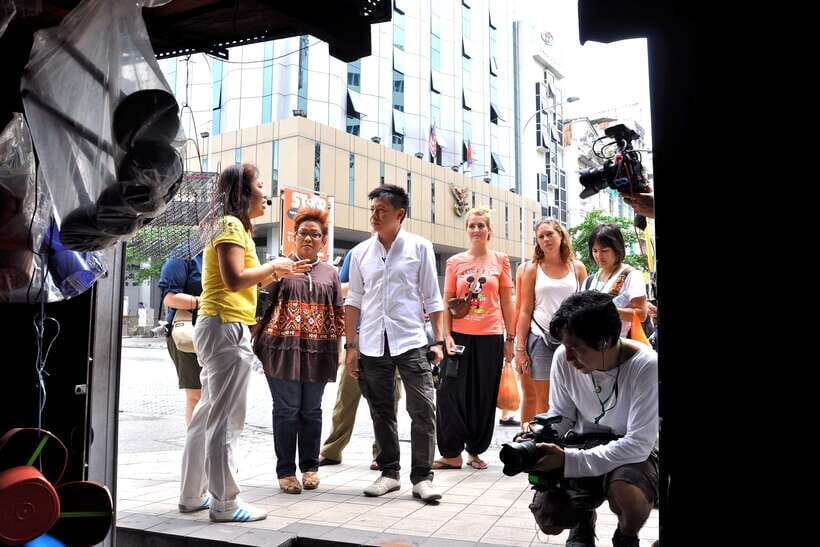
Your tour starts at the Tourist Information and Interaction Centre. The directions sound precise, but the area around Central Market has enough small lanes to make you second-guess yourself—especially if you’re arriving right around peak crowd time.
Here’s the practical way to follow the instructions:
- Walk along Kasturi Walk next to Central Market (CM).
- Find the walkway exit at the alleyway between the CM and the purple building.
- Walk into ART LANE.
- Go about 30 seconds down the lane to the black staircase.
- Go up the stairs, turn right.
- You’ll see a mini garden. The center is next door.
- The interior is turquoise, which helps once you’re close.
One helpful pattern from prior participants: they recommend not waiting until the last minute to find it. If you can, arrive a few minutes early and check your orientation before the group gathers.
Central Market and Kasturi Walk: where the route starts to feel local
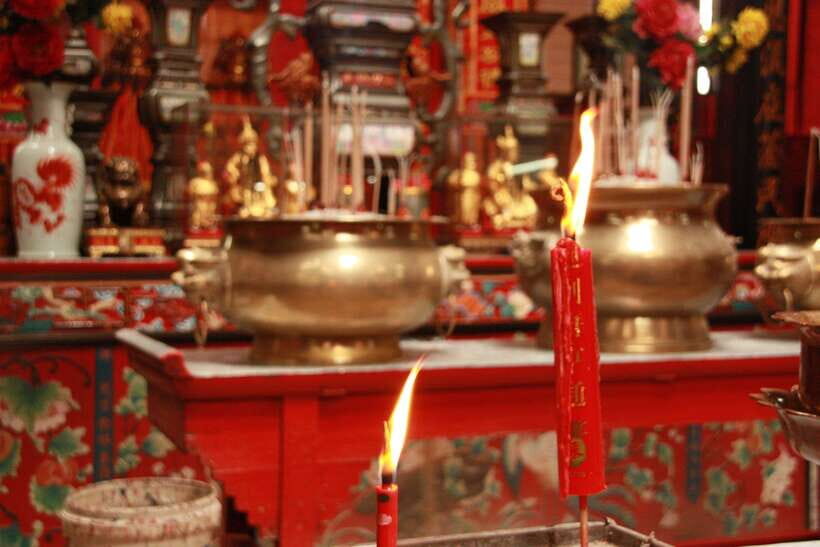
The tour begins at the Tourist Information and Interaction Centre, then you head into the historic heart of Kuala Lumpur. The biggest win here is that you don’t start with a random landmark. You start with the kind of place people shop, snack, and wander—Central Market and the covered market lanes around it.
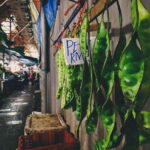
Kasturi Walk is part of what makes this route work. It’s a covered stretch with stalls, so you get variety without everything turning into one long street crossing exercise. You’ll browse market stalls and hear the kind of stories that don’t show up on a basic signboard: how settlers and communities shaped commerce, languages, and daily routines.
If you like tours where you can look, ask, and then immediately connect it to a cultural explanation, this market portion sets the tone. It’s not only sightseeing. It’s context.
Break time and photo stops that actually help
The itinerary includes a break and photo stops, which sounds basic, but it’s a real quality-of-life feature on a four-hour plan. When you’re walking through several dense areas, having scheduled pauses keeps energy steady, and it gives you a chance to check in with the guide if you want help with what to try next.
Chinatown isn’t just a street: it’s a story you can follow
After the market area, you move into Chinatown. This is where the tour becomes more than “walk here, look there.” You’ll get tales about the first Chinese and Indian settlers—who they were, how they lived, and why their communities became part of the city center.
That background changes how you see what’s in front of you. Instead of treating Chinatown as a set of photo-worthy corners, you start noticing patterns: shops that feel built for everyday business, and streets where the past still seems close to the present.
It also helps you understand why the tour later pivots to temple spaces. In many cities, temples sit at the edge of tourist routes. Here, they’re part of the same cultural line as the markets.
You can also read our reviews of more historical tours in Kuala Lumpur
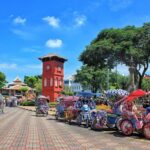
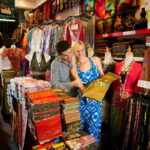
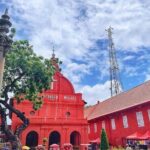
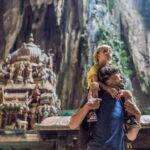

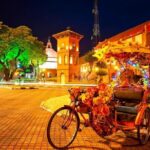
Sin Sze Si Ya Temple: seeing rituals through respectful guidance
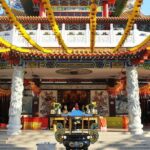
Sin Sze Si Ya Temple is one of the highlights for good reason. It’s an eye-catching stop, but what you’ll get out of it depends heavily on how the guide frames it. This tour specifically focuses on temple etiquette and what to expect, which makes a big difference if you’re visiting a religious site for the first time.
You’re not just looking at architecture. You’re learning what visitors should do and what they should avoid. That kind of guidance matters in temples because small actions—how you move, where you stand, how you observe—can come off as disrespectful if you don’t know.
Some past guides (names that came up include Farah, Lewis, and Kristin) have gone beyond general advice. One example from participant feedback: a guide guided people through rituals and helped them understand what to do when placing wishes at Chinese shrines. Another mentioned items used for ceremonial intent, like materials for specific intentions and small ritual steps that turned a temple visit into something you could follow without guessing.
If you’re the type who worries about saying the wrong thing or doing the wrong behavior, this is where the tour’s structure earns its place. You’ll have a live guide in English, and you’ll feel more confident simply because you’re not walking into a temple blind.
Practical note on what to ask
If you want to get the most out of this stop, ask simple questions like:
- What is this area for?
- What should I do with my hands or where should I stand?
- Is there any meaning behind the steps we’re seeing?
A good guide will translate the ritual into human terms.
Sri Mahamariamman Temple and the culture-to-food connection
The second major temple stop is Sri Mahamariamman Temple. Like Sin Sze Si Ya, this is a place where people come for spiritual reasons, not just photos. The tour treats it as a proper visit, which means you’ll get some explanation of customs so you can participate in an appropriate way.
What I find especially valuable here is the way the tour links temple understanding with food understanding. The experience includes tastings from different Malaysian ethnic groups, and the guide will offer insights into traditions. That can make the temples feel less like separate stops and more like part of the same cultural fabric—beliefs, community identity, and everyday choices all tied together.
Participant feedback also highlighted small thoughtful touches at this stage. For example, one guide arranged items like a jasmine bracelet before the Hindu temple visit. Another description mentioned guidance around creating a clear path and using items for ceremonial intent. These extras might not be identical with every guide, but they point to a broader strength: the guide doesn’t treat temples like checkboxes.
And yes, food shows up again. One participant advice point that’s worth repeating: skip an early hotel breakfast. The tour includes several chances to eat, and if you arrive overfull, you’ll end up missing tastings you might otherwise remember.
Food tastings: why this tour gets the balance right
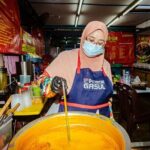
Food tastings are not an afterthought here. They are part of the learning. You’ll sample Malay foods and also get a sense of traditions across ethnic groups represented in Kuala Lumpur. Because it’s a walking route, tastings feel like natural breaks, not like a forced restaurant stop.
The best part is variety. The tour’s design aims to show you that different communities have distinct culinary identities—and that these identities are tied to culture and ritual.
Some guides were praised specifically for tailoring the food choices. One participant said their guide Christie adjusted the tastings based on what they already had tried and what they wanted to eat. Another mentioned their guide was patient and explained how to eat a banana leaf lunch properly. That kind of step-by-step help turns a scary-looking meal into a you-can-do-this moment.
If you’re curious but cautious, this is a strong way to test new flavors. You’re not left to guess what’s safe or how to eat it. You’re guided.
Ending at Masjid Jamek LRT: getting back to your real day
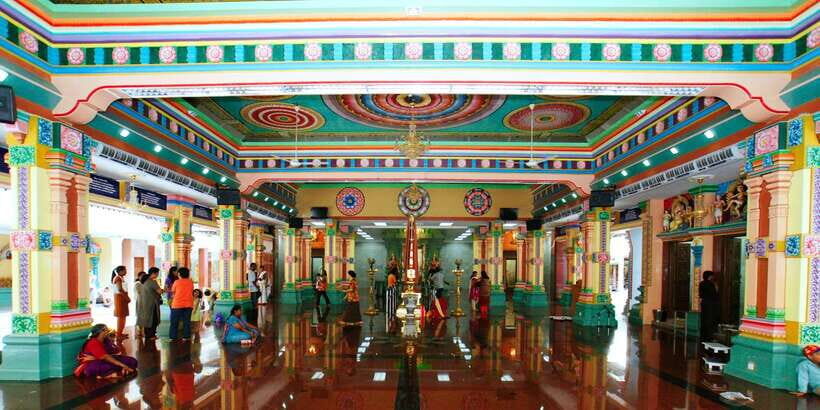
The tour ends at Masjid Jamek LRT station. This is a smart finish point because it gives you an easy way to continue your day. You’ll also get help from the guide on where to go next and how to get oriented toward your hotel.
That matters when your afternoon still has plans. A lot of heritage tours dump you in the middle of nowhere and wish you luck. Here, you finish in a functional transit area where getting moving is part of the design.
Price and value: what you get for $60
At $60 per person for about 4 hours, this tour has a straightforward value proposition:
- A live English-speaking guide
- A small group capped at 8
- Bottled water
- Food tastings
- Goods and Services Tax included
The real value is not just the number of stops. It’s the amount of explanation you get between stops. Market lanes and temple steps can be confusing without guidance. When a guide helps you read what you’re seeing and how to behave, that turns your visit from watching into understanding.
Also, the tour’s structure avoids the common problem of “too many stops, no time to process.” Here, scheduled breaks, photo pauses, and repeated tastings help you digest the experience in human-size chunks.
And based on what stands out in past feedback, guides are often a major reason people rate it highly. Names that appeared in praise include Luis, Lewis, Kristin, Farah, and Christie. The thread across these comments: guides helped people try foods they would not have ordered alone, explained temple etiquette clearly, and added small extras that made the day feel personal.
Who this walking tour is best for
This is a great fit if you want:
- A guided walk focused on cultural context, not just photos
- Food tastings tied to ethnic traditions
- Two temple stops where etiquette is explained
It’s also a good choice for solo travelers who want company and structure without joining a large group. And because the tour is limited to 8, you’re more likely to get answers to questions instead of hearing the guide talk to the back of the crowd.
It may be less ideal if:
- You don’t like moderate walking
- You have trouble finding meeting points and hate getting there early
- You prefer very structured, museum-style pacing instead of street-level exploring
Minimum age is 11, so it’s not built for little kids who need frequent stops and shorter sessions.
Should you book this KL heritage walk
If you’re spending a short time in Kuala Lumpur and you want one day that connects markets, neighborhoods, and temples into a single story, I think this booking makes sense. It’s four hours, but it feels intentional: you start at Central Market, move through Kasturi Walk and Chinatown with background stories, and then visit Sin Sze Si Ya and Sri Mahamariamman with etiquette help and cultural meaning.
Book it if food tastings and temple visits are your kind of travel. Skip it if you want a purely scenic route or you get stressed easily by finding small meeting points—because you’ll do best with a little extra arrival time.
If you want a smooth start, arrive early and use the ART LANE directions. Then let the guide do what guides are best at: turning streets and shrines into something you can actually understand.
FAQ
How long is the Kuala Lumpur Heritage walking tour?
The tour lasts 4 hours.
Where do I meet the guide?
You meet at the Tourist Information and Interaction Centre. Walk along Kasturi Walk next to Central Market, then exit onto the alleyway between the Central Market and the purple building, enter ART LANE, go to the black staircase, go up, turn right, and look for the turquoise interior of the center.
What places does the tour include?
The route includes Central Market, Kasturi Walk (covered flea market area), Chinatown, Sin Sze Si Ya Temple, Sri Mahamariamman Temple, and it ends at Masjid Jamek LRT station.
Is the tour suitable for kids?
The minimum age permitted is 11 years old.
How big is the group?
It’s a small group limited to 8 participants.
Is there food or drinks included?
Yes. Bottled water and food tastings are included.
What language is the tour guide?
The live guide speaks English.
Is there free cancellation?
Yes, you can cancel up to 24 hours in advance for a full refund.
Is pay later available?
Yes. You can reserve now and pay later.