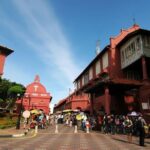
REVIEW · KUALA LUMPUR
Half Day Cultural And Heritage Walking Tour in Kuala Lumpur
Book on Viator →Operated by Birdy Leisure · Bookable on Viator
Kuala Lumpur starts making sense on foot. I love how this walk connects the big three cultural strands in Malaysia—Malay, Chinese, and Indian—through real places of worship and street life, not just vague storytelling. I also like the shopping focus, because you’ll head toward spots where locals browse and snack. One thing to consider: it’s an outdoor walking tour, so you’ll want to plan for Malaysia’s heat and humidity.
What makes it feel solid is the guide. This tour uses a licensed tourist guide, and you’ll often get detailed, place-based explanations—people like Yen (who puts extra attention on British colonial architecture) and Ben (who’s especially thorough about temples and religious context) set the tone.
You also get good logistics for a half-day format: it runs about 4 hours, uses a mobile ticket, and keeps the group small (up to 15 people). And yes, the good news is that the listed sights have free entry. Your main cost is your own choices along the way—snacks, drinks, and whatever you can’t stop yourself from buying.
In This Review
- Key Highlights You’ll Feel Right Away
- Why This 4-Hour Kuala Lumpur Heritage Walk Works
- Start at Masjid Jamek: The Opening Scene You Can Read
- Merdeka Square and the Sultan Abdul Samad Backdrop
- The River of Life: A Name Story Worth Getting Right
- Pasar Seni (Central Market): Where Crafts Meet Everyday Shopping
- Sin Sze Si Ya Temple: Chinese Taoist Roots in the Oldest Frame
- Chinatown and Petaling Street: Shopping and Food on the Same Street
- Kwai Chai Hong: Little Demon Street Murals for Photo Lovers
- Sri Maha Mariamman Temple: Indian Worship That’s Also Visually Striking
- Price and Value: What $39.03 Buys You in Kuala Lumpur
- What to Expect From the Walking Pace and Timing
- Who This Tour Fits Best
- Should You Book This Kuala Lumpur Cultural Heritage Walk?
- FAQ
- How long is the Half Day Cultural and Heritage Walking Tour in Kuala Lumpur?
- Where does the tour start and end?
- What is included in the tour price?
- Are there tickets or entry fees for the stops?
- Does the tour include pickup or drop-off?
- What kind of ticket do I need?
- How big is the group?
- Can I get a refund if my plans change?
Key Highlights You’ll Feel Right Away
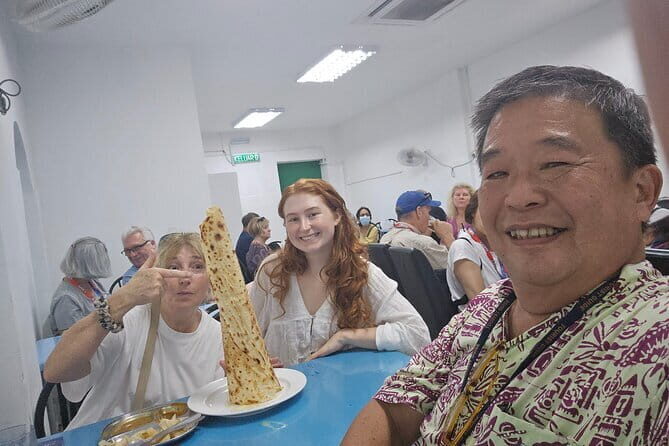
- Licensed guide commentary that ties each stop to everyday life and belief, not just dates
- Free entry stops that let you spend your money on food and crafts
- Small group size (max 15 people), so questions don’t get lost
- Three-culture route through mosques, Chinese temples, and an Indian temple
- Local shopping stops at Pasar Seni and Chinatown/Petaling Street
- Photo-friendly moments like the River of Life and Kwai Chai Hong murals
Why This 4-Hour Kuala Lumpur Heritage Walk Works
This tour is built like a shortcut through the city. Instead of trying to “cover everything,” you walk a focused line of landmarks that explain how Kuala Lumpur developed and how different communities live side by side.
You’ll spend time at places you can actually recognize in photos later: the Sultan Abdul Samad Jamek Mosque, Dataran Merdeka, Chinatown areas, and major temples. And because it’s guided, you don’t just see buildings—you get meaning fast, like why these spots matter to Malaysians.
The half-day length is also practical. You still have plenty of energy left for dinner (and Malaysia’s snack culture is not subtle). If you only do one heritage-style activity in Kuala Lumpur, this kind of route gives you a strong starting point.
You can also read our reviews of more walking tours in Kuala Lumpur

Start at Masjid Jamek: The Opening Scene You Can Read
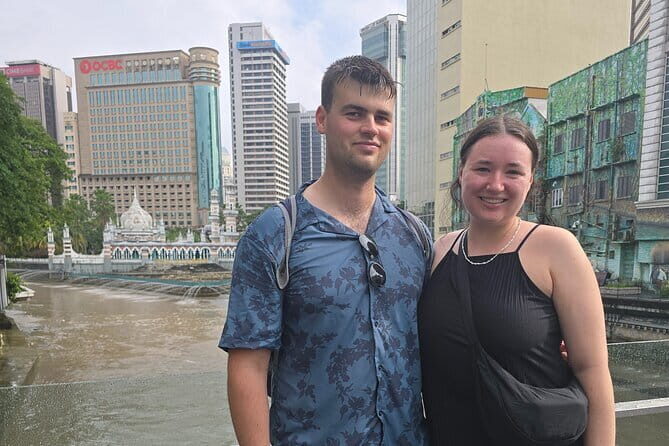
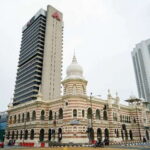
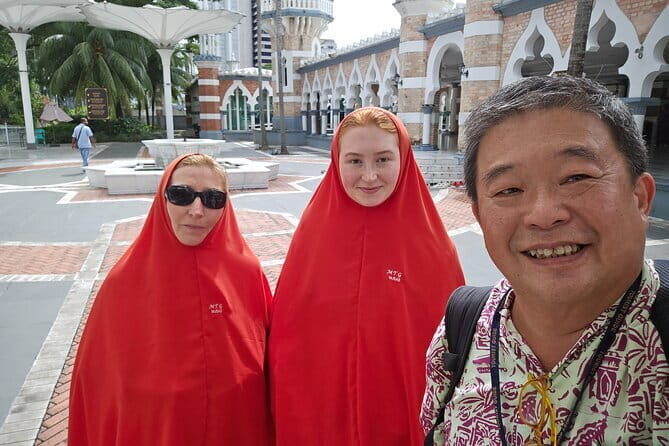
Your tour begins at Masjid Jamek / Sultan Abdul Samad Jamek Mosque, in Kuala Lumpur City Centre. This is one of the older mosques in the city, and it’s designed by A.B. Hubbock. Even if you’re not a history person, you’ll find the architecture easy to notice once someone points out what you’re looking at.
You’ll get about 30 minutes here, and entry is free. That timing matters: it’s long enough to pause, look around, and take photos without feeling like you’re rushing past a “check the box” stop.
Practical tip: dress respectfully at mosques. Even when the tour doesn’t spell it out, it’s the safest approach for a smooth visit—shoulders covered, and be mindful of where you stand for photos.
Merdeka Square and the Sultan Abdul Samad Backdrop
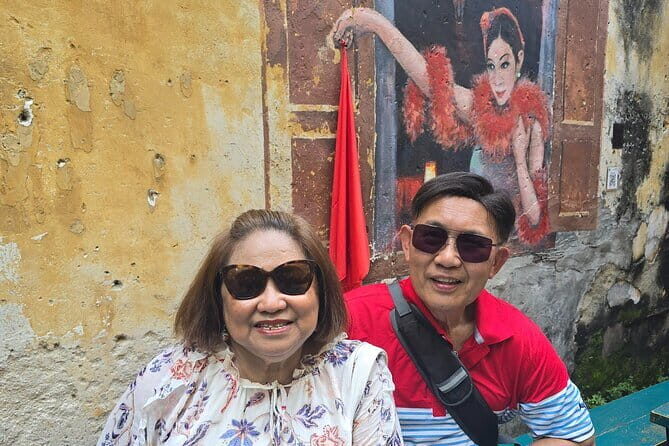
Next up is Dataran Merdeka (Independence Square) for another 30 minutes with free access. This area is panoramic in the best way—big visual anchors, open space, and iconic colonial-era styling. You’ll see the Sultan Abdul Samad building, plus the Independence Square itself.
The stop also calls out the textile museum and the KL icon with the tallest Malaysia flag pole. Even if you skip a museum inside (your tour timing may not include it), knowing what’s nearby helps you understand why this part of Kuala Lumpur became such a symbolic center.
The cultural takeaway here is simple: Kuala Lumpur wasn’t formed in isolation. It’s a mix of different periods and influences, and Merdeka Square is one of the places where the city’s “public identity” shows up loud and clear.
Photo note: this is a great area for wide shots. Bring your phone camera settings with you—stand back, then frame tighter. Open plazas can trick your exposure.
The River of Life: A Name Story Worth Getting Right
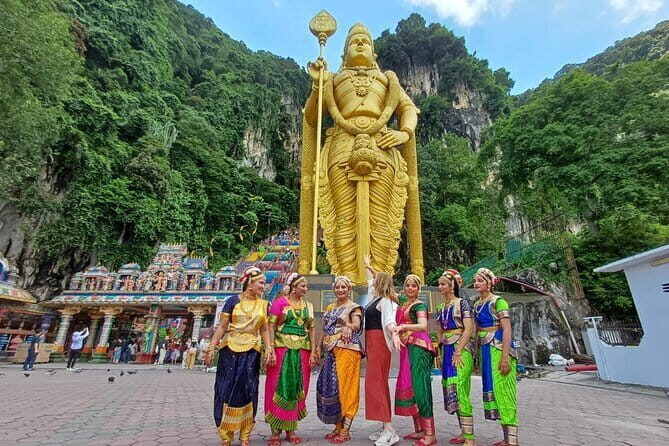
After Merdeka Square, you’ll walk over to The River of Life for 15 minutes. This is one of those short stops that can still feel meaningful because the tour links it to the origin of the Kuala Lumpur name.
It’s a photography moment, and the time box (15 minutes) is smart. You’re not stuck waiting around. You can grab your shots, check angles, and keep moving while the route still feels fresh.
If you care about photos: look for a spot where you can catch both water and the city context. Wide shots here often look better than extreme close-ups.
Pasar Seni (Central Market): Where Crafts Meet Everyday Shopping
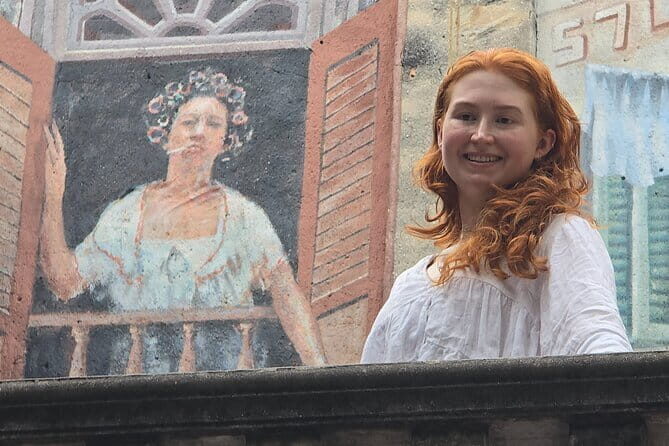
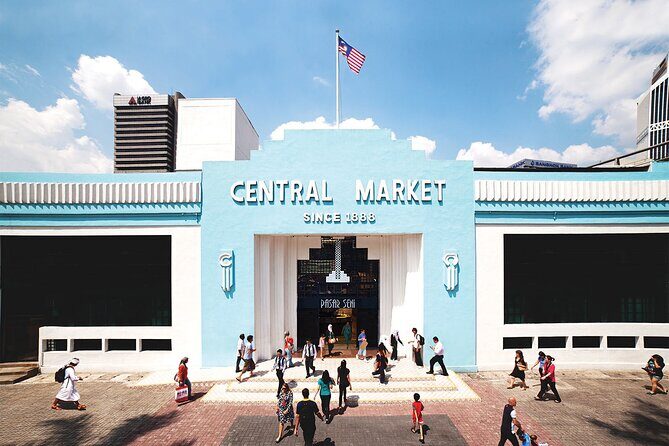
Then you reach Pasar Seni, also known as Central Market. You’ll spend about 30 minutes here, and entry is free.
What I like about this stop is that it’s practical. The market was formerly a wet market, but today it functions as a center for Malaysian culture, art, and craft. The tour highlights items like batik, songket, and Labu Sayong—which tells you this isn’t just a “tourist souvenirs” situation.
This is also the stop where the tour’s slogan becomes real: come as a tourist, go home as a local. The idea is that you’ll experience the market like people who live nearby—browsing, comparing, asking questions, and picking what feels right to you.
Possible drawback? Not really a drawback—more like a shopping-style warning. Markets like this can turn into a time sink if you enjoy shopping. Stick to a quick browse first, then decide at the end what you truly want.
Practical tip: bring some cash or be ready for payment methods you prefer. If you want batik or songket, don’t rush the first stall you see. Textiles can vary a lot.
You can also read our reviews of more historical tours in Kuala Lumpur


Sin Sze Si Ya Temple: Chinese Taoist Roots in the Oldest Frame
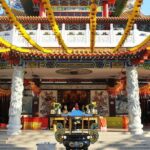
Now you move into the Chinese heritage section with Sin Sze Si Ya Temple (about 30 minutes, free). The tour describes it as the oldest Chinese temple built by Yap Ah Loy, the founder of Kuala Lumpur.
That’s a big claim, and it gives this stop weight. It’s not only about the temple building—it’s about the founding story of the city and how religious practice shows up in daily life. The tour also notes the temple’s connection to traditional belief systems, specifically Taoist religion.
If you’re the type who likes to connect symbols to meaning, this is the place. You’ll likely see how worship spaces are designed for community and routine, not just ceremonies.
Respect note: temples can have active worship moments. Keep your voice low, and be patient around people praying or moving through pathways.
Chinatown and Petaling Street: Shopping and Food on the Same Street
Next, you head into Chinatown, locally known as Petaling Street, for about 30 minutes (free). This area is a sensory experience in a good way. You can find items ranging from textiles to electronics, and you’ll also see authentic Chinese food options nearby.
This stop is where the walking tour often becomes memorable for people who like atmosphere. Merdeka Square gives you the city’s public face; Chinatown gives you its everyday rhythms.
The trade-off is simple: Chinatown can be crowded compared to the earlier stops. Your 30 minutes is enough to orient yourself, grab photos, and find a snack, but you won’t have endless time for deep wandering.
Photo tip: for street photos, try a “slow approach.” Stop briefly, take one or two shots, then continue. You’ll get better framing without blocking foot traffic.
Kwai Chai Hong: Little Demon Street Murals for Photo Lovers
For photography lovers, Kwai Chai Hong, also known as Little Demon Street, is a quick 15-minute hit. The tour points out wall murals featuring traditional Chinese lifestyle themes.
This is one of those stops where even if you don’t know the full story of every mural, the visuals still work. You can walk along, frame walls like a gallery, and take shots that look like you planned them—even if you didn’t.
Tip: take a wide shot first to “capture the wall,” then switch to close-ups. Murals usually have details that don’t show up until you get nearer.
Sri Maha Mariamman Temple: Indian Worship That’s Also Visually Striking
The tour finishes at Sri Maha Mariamman Temple for about 30 minutes (free). The description notes that it’s popular and attention-grabbing, and that it’s an important religious stop.
This is the final big piece of the three-part cultural route. Earlier you saw a mosque and Chinese temples; here you see Indian devotional architecture and practice. Even if your background is different, the tour context helps you see what worship spaces communicate about community identity.
Quick practical note: temples are active places. Dress with respect, keep movements controlled, and ask your guide for the best angle if you’re unsure where to stand for photos.
Price and Value: What $39.03 Buys You in Kuala Lumpur
At $39.03 per person for about 4 hours, this tour aims to be value-forward. The “value” isn’t just the sightseeing—it’s the guided connection between stops, plus the fact that the listed entries are free.
Group size matters too. With a maximum of 15 people, it’s easier to get your questions answered. A guided walk like this becomes worth it when you don’t feel like you’re being herded.
Also, it’s a good price for an itinerary where you’re not paying for multiple paid attractions. Your spending shifts to choices you control: what you buy at Pasar Seni, what you snack on near Chinatown, and what you want to take home.
If you’re a solo visitor, you may especially appreciate this. It’s structured, social enough to ask questions, and short enough that you’re not committing your whole day.
What to Expect From the Walking Pace and Timing
This isn’t an all-day march. The stops average around 15–30 minutes each, so you get variety without losing your feet.
You should still plan for a slow-and-steady pace. Think of it as a guided stroll through layers of Kuala Lumpur—mosque, independence landmarks, river-side photo time, then temples and markets.
The tour ends back at the meeting point, so you can plan the rest of your day knowing you won’t need to track a new drop-off location.
If your schedule is tight, this timing helps. Half a day means you can still fit in other sights afterward.
Who This Tour Fits Best
This walk is a strong match if you:
- Want an easy first pass at Kuala Lumpur’s cultural geography
- Prefer guided interpretation over reading alone
- Like markets and street atmosphere, not just monuments
- Want photos that actually relate to stories (mosque architecture, murals, river shots)
It’s also a good choice if you like practical guidance on where to go next. The tour’s stated goal includes taking you toward places locals shop and eat—so you don’t end your trip with only landmarks.
If you hate walking in heat, this might still work, but you’ll need to be smart about water and timing of shade breaks. Start early in the day if you can.
Should You Book This Kuala Lumpur Cultural Heritage Walk?
I’d book it if you want a guided cultural “map” you can use later. The route ties together Malay, Chinese, and Indian heritage through specific places: Masjid Jamek, Dataran Merdeka, Sin Sze Si Ya Temple, Petaling Street, Kwai Chai Hong murals, and Sri Maha Mariamman Temple. It’s structured, short, and built around free stops—so you’re paying mainly for the guide’s explanations and the route.
I wouldn’t book it if you want a deep museum-style experience or a fully air-conditioned day. This is outdoors, and the value comes from walking and learning between stops.
For most people doing Kuala Lumpur for the first time, it’s a very reasonable way to get your bearings fast—and then spend the rest of your trip with better instincts for where to go.
FAQ
How long is the Half Day Cultural and Heritage Walking Tour in Kuala Lumpur?
The tour lasts about 4 hours.
Where does the tour start and end?
It starts at Masjid Jamek (Kuala Lumpur City Centre) and ends back at the meeting point.
What is included in the tour price?
The tour includes the walking tour, sightseeing, and a licensed guide.
Are there tickets or entry fees for the stops?
The itinerary notes free admission/tickets for the listed stops.
Does the tour include pickup or drop-off?
No pickup and drop-off are included.
What kind of ticket do I need?
You receive a mobile ticket.
How big is the group?
The tour has a maximum of 15 people.
Can I get a refund if my plans change?
You can cancel for a full refund up to 24 hours in advance. If you cancel less than 24 hours before the start time, the amount paid is not refunded.