REVIEW · KUALA LUMPUR
Kuala Lumpur Heritage Walk
Book on Viator →Operated by Malaysia Heritage · Bookable on Viator
Kuala Lumpur has layers, and this walk shows them fast. You’ll cover the historic core with a local guide, mixing temples, street-level stories, and real Malaysian food tastings. The tour keeps a small-group feel, so it doesn’t turn into a long line with a microphone.
I really like the mix of sights and hands-on culture—like candle and joss-stick offerings at Sin Sze Si Ya Temple and optional participation in a Goodluck wall ritual. I also love that you’re not just looking; you’re eating, starting with breakfast at Restoran Yusoof dan Zakhir and then continuing with Indian cuisine on Lebuh Ampang.
One thing to consider: it’s a walking tour with a moderate fitness requirement, and some temple involvement is at the discretion of guests and the situation at the sites. If you prefer zero participation and minimal walking, you might find it a bit more active than expected.
In This Review
- Key things to know before you go
- A 4-hour heritage walk that makes central KL feel readable
- Meeting at Central Market (and why that’s a smart starting point)
- Restoran Yusoof dan Zakhir: Malaysian breakfast to kick things off
- Sin Sze Si Ya Temple: Taoist practice you can see up close
- Sri Mahamariamman Temple: Hindu worship and deities at your pace
- Chinatown and the wet market stop: where you taste what locals buy
- Lebuh Ampang lunch: street history plus authentic Indian cuisine
- Sultan Abdul Samad Jamek Mosque: Kuala Lumpur’s origin story in walking distance
- Price and value: is $60 worth a 4-hour walk?
- What to bring (and what to expect from the walking pace)
- Who this tour fits best (and who might want to rethink)
- Should you book the Kuala Lumpur Heritage Walk?
- FAQ
- What is the duration of the Kuala Lumpur Heritage Walk?
- How much does the tour cost?
- Where does the tour start, and when?
- How many people are in a group?
- What’s included in the price?
- Is hotel pickup and drop-off included?
- Is there a vegetarian option?
- Are there any dietary requirements I should mention?
- What temples and areas are visited?
- What is the cancellation policy?
- Is there a minimum age and fitness level requirement?
Key things to know before you go
- Small group (max 10): easier questions, more back-and-forth during tastings and temple stops.
- Food built into the route: breakfast plus more tastings, not just a look-around.
- Two major temple visits: Taoist practice at Sin Sze Si Ya and Hindu worship at Sri Mahamariamman.
- Chinatown and wet-market time: you’ll sample Chinese foods that locals actually seek out.
- Street history in context: Lebuh Ampang and central KL are explained with a clear story.
- Mobile ticket + refillable water: bottled water included, and you can refill with your tumbler.
A 4-hour heritage walk that makes central KL feel readable
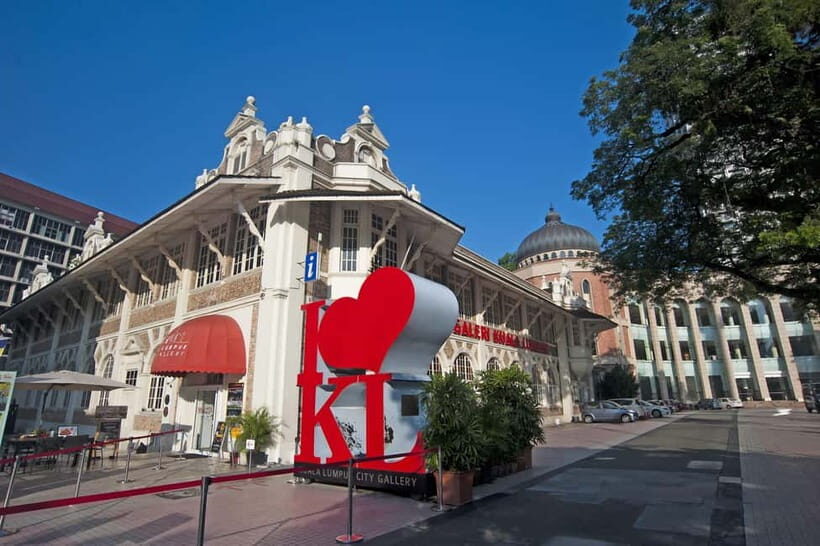
This tour is designed for orientation. You start in the Central Market area and gradually move into Chinatown and surrounding neighborhoods where different communities shaped Kuala Lumpur. It’s not about collecting postcards; it’s about understanding why people built temples here, ate certain foods here, and followed traditions that still matter today.
The pace works well if you’re short on time. Four hours is long enough to taste, learn, and connect dots, but short enough that you’re not trapped all day. And because it’s capped at 10 people, the guide can slow down when questions pop up.
Value note: at $60 per person, you’re paying for a local guide, a tight route, and multiple food tastings. If you’re the type who likes to walk and talk at the same time, this price tends to make sense.
You can also read our reviews of more walking tours in Kuala Lumpur

Meeting at Central Market (and why that’s a smart starting point)
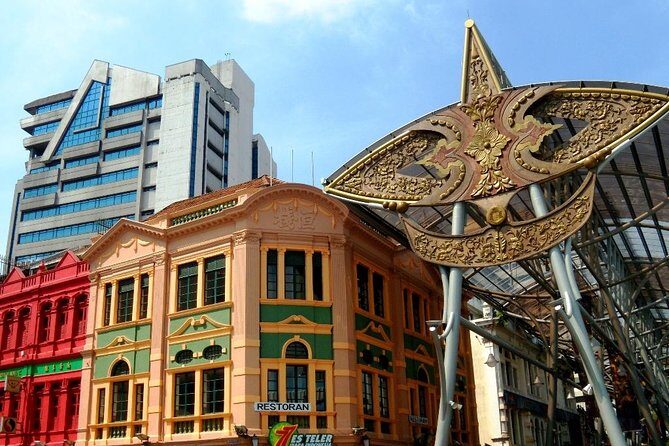
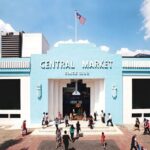
You meet at the Tourist Information and Interaction Centre (TiiC), Lot 02-03 Mezzanine Floor, Central Market Annexe on Jalan Hang Kasturi. The start time is 9:00am, and the tour ends back at the same meeting point.
This location is convenient because Central Market is already a hub. You’re not starting in some far-flung street where taxis drop you off and you’re stuck. Plus, you get to begin in a place where the rest of your day’s sights are close by.
Also, you’ll use a mobile ticket. That cuts down on paper fuss, especially helpful if you’re already juggling other bookings and maps.
Restoran Yusoof dan Zakhir: Malaysian breakfast to kick things off
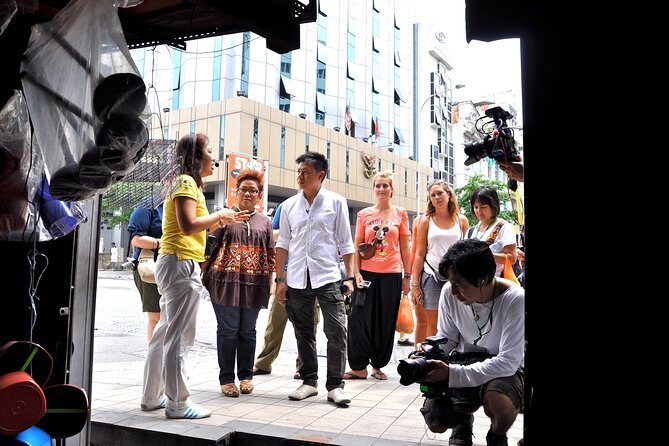
Stop one is Restoran Yusoof dan Zakhir, with Malaysian breakfast for about 15 minutes. This is a smart first move. Eating early means you’re less likely to turn picky later when you’re already tired and hungry.
What I like about a breakfast stop on a heritage walk is that it sets the tone for the day. Food here is part of the culture story, not a random add-on. If you know you’ll be tempted to snack later, this early tasting often prevents that.
Practical tip: if you have dietary needs, tell the operator at booking. A vegetarian option is available, but you want it arranged ahead of time.
Sin Sze Si Ya Temple: Taoist practice you can see up close
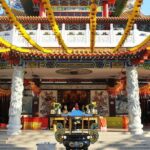
Next you head to Sin Sze Si Ya Temple for about 15 minutes. This is your first big cultural shift in the route, and it’s where the tour becomes more than sightseeing.
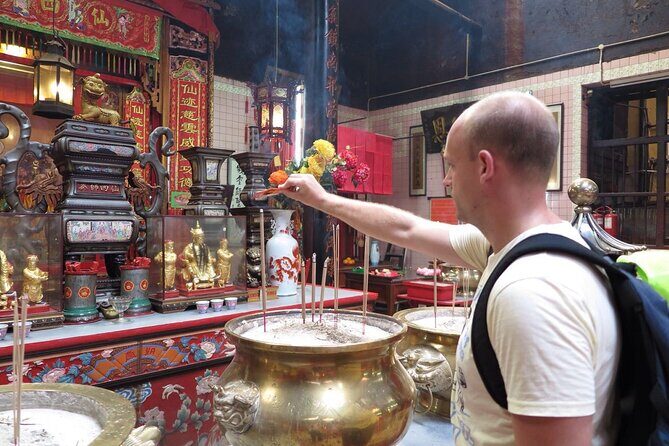
The guide focuses on Taoist culture and religious practice. You may also be invited to take part in lighting candles and using joss sticks. There’s also a practice involving a Goodluck man on a wall. The tour notes that this participation is only at the discretion of guests.
A key thing to understand: temple participation may not look identical for every person. Some days, some spaces, and some visitor comfort levels change what’s offered. If you’re respectful and curious, you’ll usually be able to participate in some way, even if you choose a lighter level of involvement.
Etiquette note, plain and simple: dress modestly and keep your phone use discreet. If you’re unsure, watch what others do first, then follow your guide’s cues.
Sri Mahamariamman Temple: Hindu worship and deities at your pace
Then it’s Sri Mahamariamman Temple, where you’ll learn about Hindu culture, religious practice, and Hindu deities. Time here is up to guest interest, so it can run longer than the other stops.
This is one of those moments where the tour gives you a way to understand what you’re seeing without turning it into a lecture. Temples aren’t just architecture. They’re active spaces with ongoing meaning, and the guide helps you interpret what’s happening around you.
Possible drawback: because the time depends on guest interest, you might feel the route stretch a bit if your group runs enthusiastic. If you’re trying to catch another plan right after, build in buffer time.
Again, dress and behavior matter. Temperatures in this part of Kuala Lumpur can be hot, so breathable clothes help, but keep shoulders and legs covered.
You can also read our reviews of more historical tours in Kuala Lumpur

Chinatown and the wet market stop: where you taste what locals buy
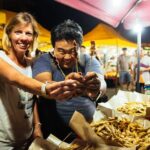
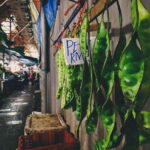
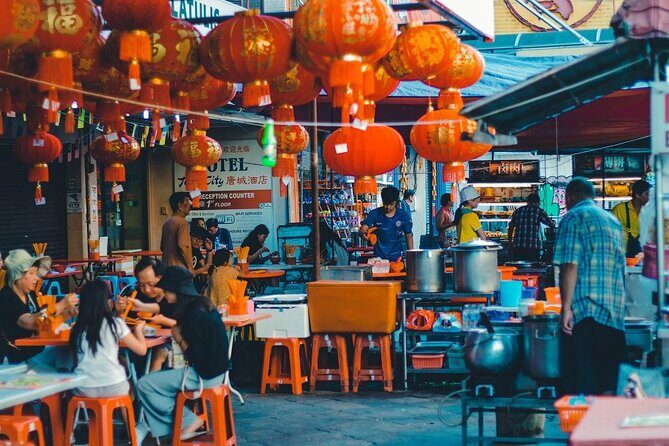
The next portion swings into Chinatown. You’ll spend around 20 minutes here, including time at a wet market and sampling Chinese foods that locals know.
This is where the tour earns its keep. Looking at Chinatown from outside is easy. Eating the foods that people actually go after is the part that makes it click. The guide’s role matters here because you’re not just wondering what to order—you’re learning what you’re tasting and why it’s part of the area.
One practical point: Chinatown can be humid and lively. You’ll want to pace yourself. Take small bites and drink water between tastings when you need it.
Also, this stop isn’t designed to be a deep shopping spree. If you love browsing markets, you may wish you had more time after the tour ends. Still, the tasting-focused approach is the right trade-off for a half-day format.
Lebuh Ampang lunch: street history plus authentic Indian cuisine
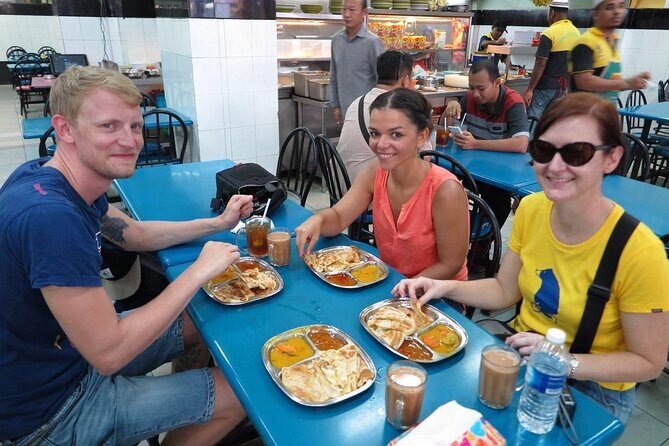
After Chinatown, you move toward Lebuh Ampang, a street where the guide shares history about the street’s past role. Then you stop for lunch—about 30 minutes—for authentic Indian cuisine.
This is a good section because it ties together the broader theme: different immigrant communities building their own foodways and places of worship. You get a street story, then you get a meal that makes it tangible.
I like that you’re not just consuming food; you’re also getting context for it. A dish can taste great on its own, but it hits differently when you understand what community and migration patterns helped shape the neighborhood.
If you’re vegetarian, confirm your option at booking. Vegetarian option is available, but you need it noted in advance so the meal works with what the group is eating.
Sultan Abdul Samad Jamek Mosque: Kuala Lumpur’s origin story in walking distance
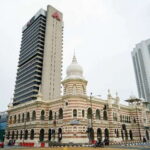
You’ll also visit Sultan Abdul Samad Jamek Mosque for about 15 minutes. Here, the guide explains the story of how Kuala Lumpur began.
This stop helps balance the tour. Two temples can make the day feel very “religion-focused,” even though the point is heritage and community. The mosque stop brings in a broader view—how the city grew and why the historic heart matters.
If you like architecture, you’ll probably enjoy the perspective shift. But even if you’re not an architecture nerd, the origin story is the kind of framing that makes the rest of your KL sightseeing easier.
Price and value: is $60 worth a 4-hour walk?
Let’s do the math in human terms. You’re paying $60 for:
- a local English-speaking guide
- multiple stops across Central Market area, Chinatown, and temples
- food tastings, including Malaysian breakfast and more tasting/lunch time
- bottled water (and you can refill using a tumbler)
For Kuala Lumpur, that’s a solid bundle. If you tried to copy this day on your own, you’d still spend time finding places, figuring out what to order, and navigating between sites with no narrative thread.
Is it cheap? No. But it’s not overpriced for what it delivers: a guided route through multiple key cultural sites plus food you might not choose correctly without help. If you’re the kind of person who likes to arrive oriented and leave with practical local context, you’ll feel the value.
What to bring (and what to expect from the walking pace)
This tour says you should have moderate physical fitness. That means you’ll be walking and standing enough to feel it, but it’s not described as an all-day hike. I’d plan on comfortable shoes and staying hydrated.
The tour includes bottled water, and it encourages you to bring your tumbler so you can refill in their center. That’s a practical detail that can save you money and reduce plastic waste.
One more thing: caps and hats are not included. Kuala Lumpur sun can be strong, especially in the morning. If you run warm or get headaches from glare, pack a hat or bring sunscreen.
If you want a smooth start, bring your phone with your mobile ticket ready.
Who this tour fits best (and who might want to rethink)
This heritage walk suits you if:
- you want an easy, structured way to understand central KL in half a day
- you enjoy food tastings and learning how communities shaped what you eat
- you’re curious about temple culture and how traditions operate day to day
- you prefer a small group over a big, rigid bus tour
You might rethink it if:
- you hate walking or standing for extended stretches
- you prefer tours with strict timing and zero flexibility at temple stops
- you’re uncomfortable with any optional temple participation, since some involvement at Sin Sze Si Ya depends on conditions and guest discretion
It’s also good to know the tour has a minimum age of 11, so it’s set up for older kids and adults who can handle respectful temple behavior and food stops.
Should you book the Kuala Lumpur Heritage Walk?
If you’re trying to get oriented quickly and you like learning through food and real cultural places, I’d book it. The strongest reason is the combination: temples plus Chinatown plus a meal plan that actually feeds you, not just “snacks you for 30 seconds.”
If you’re picky about participation, go in with a clear mindset: you can watch, ask questions, and still get a lot out of the experience. And if you love eating and asking why, you’ll likely appreciate how the guide ties each stop into the bigger story of communities in Kuala Lumpur.
FAQ
What is the duration of the Kuala Lumpur Heritage Walk?
It lasts about 4 hours.
How much does the tour cost?
The price is $60.00 per person.
Where does the tour start, and when?
You start at 9:00am at the Tourist Information and Interaction Centre (TiiC), Lot 02-03 Mezzanine Floor, Central Market Annexe, Jalan Hang Kasturi, City Centre.
How many people are in a group?
The tour has a maximum of 10 travelers.
What’s included in the price?
It includes bottled water, food tastings, and an English-speaking guide.
Is hotel pickup and drop-off included?
No, hotel pickup and drop-off are not included. The tour ends back at the meeting point.
Is there a vegetarian option?
Yes, a vegetarian option is available. You need to advise the operator at booking.
Are there any dietary requirements I should mention?
Yes. You should advise any specific dietary requirements at time of booking.
What temples and areas are visited?
You visit Sin Sze Si Ya Temple, Sri Mahamariamman Temple, Chinatown (including a wet market), and Sultan Abdul Samad Jamek Mosque, plus you walk through parts of the Central Market area and Lebuh Ampang.
What is the cancellation policy?
You can cancel for free up to 24 hours in advance for a full refund.
Is there a minimum age and fitness level requirement?
The minimum age is 11 years, and the tour requires a moderate physical fitness level.