REVIEW · KUALA LUMPUR
Kuala Lumpur: Batu Caves & Historic Buildings Tour
Book on GetYourGuide →Operated by Travelvago · Bookable on GetYourGuide
Steps, temples, and city stories in four hours. This tour stitches together Batu Caves and Kuala Lumpur’s major religious landmarks, with a guided climb up to the golden statue of Lord Murugan and stops at Thean Hou Temple and the National Mosque. Two things I especially like: the mix of older spiritual sites and newer city energy, and how the guide connects each place to Malaysia’s culture instead of treating them like photo stops.
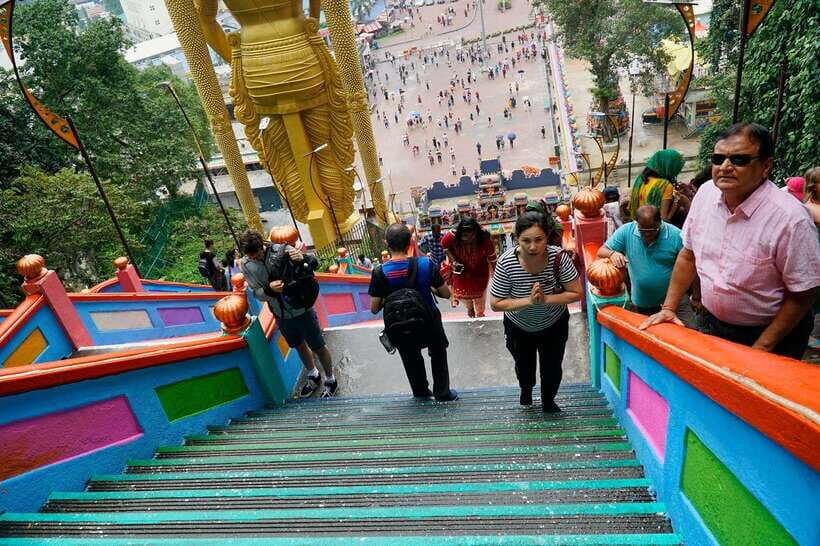
One key consideration: the Batu Caves climb is not a stroll. You’ll face 272 steps, so wear real sneakers and expect your legs to do some work before you get your reward.
Five key reasons this works so well
- Batu Caves first, when it’s easier to handle the crowds
- Temple etiquette that actually helps you fit in
- Thean Hou Temple’s 1980s story on Robson Heights
- National Mosque design and gardens, with time to slow down
- Market time for real local food you can spot and choose
In This Review
- A half-day Kuala Lumpur mix of Hindu, Chinese, Muslim, and street life
- Batu Caves and Lord Murugan: earning the view with 272 steps
- Thean Hou Temple on Robson Heights: a 6-tier pagoda with Hainanese roots
- National Mosque of Malaysia: modern nationhood, gardens, and Friday closures
- Central Market, Petaling Street, and Chinatown food: shopping and snacking without stress
- Little India in Kuala Lumpur: color, culture, and a last taste of the city
- Price and what $34 really covers in a 4-hour loop
- How to get the most out of it (and avoid easy mistakes)
- Should you book this Batu Caves and historic KL tour?
- FAQ
- How long is the Kuala Lumpur Batu Caves & Historic Buildings tour?
- What does the tour cost?
- Is hotel pickup and drop-off included?
- Are entrance tickets included?
- Are food and beverages included?
- Is there a dress code for temple visits?
- Will the National Mosque be open on all days?
- Do I need WhatsApp during pickup?
A half-day Kuala Lumpur mix of Hindu, Chinese, Muslim, and street life
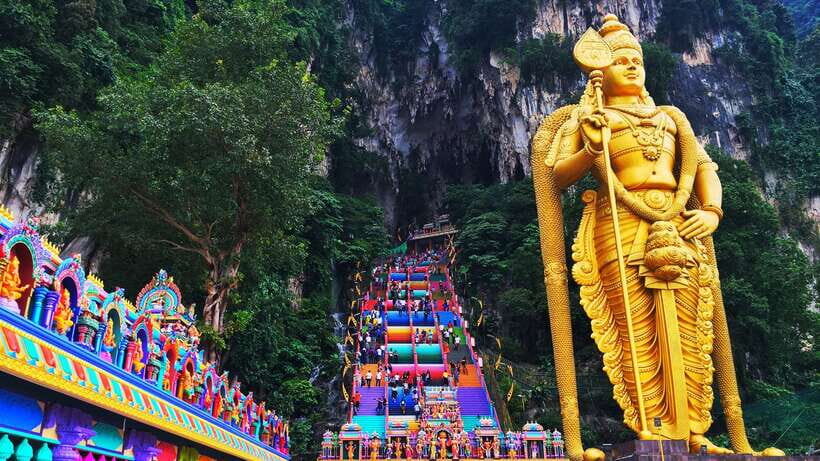
Kuala Lumpur has a talent for doing many things at once. In a single afternoon, you can go from a Hindu cave shrine with brightly colored steps, to a pagoda-style temple built by the Hainanese community, to Malaysia’s National Mosque—then finish with the kind of street-food chaos where you point, pick, and eat.
This is a smart way to orient yourself fast. The tour uses an air-conditioned car, so you’re not baking while crossing town, and you get an English-speaking driver-guide who explains what you’re looking at as you go. If you end up with someone like Nesh or Jag (names that come up often in the program), you’re likely to get extra context and smooth, calm handling of KL’s traffic.
You also get enough variety to help you decide what to do next. After this, you’ll know whether you want a longer mosque visit, more time for markets, or a second look at the caves at a different time of day.
Batu Caves and Lord Murugan: earning the view with 272 steps
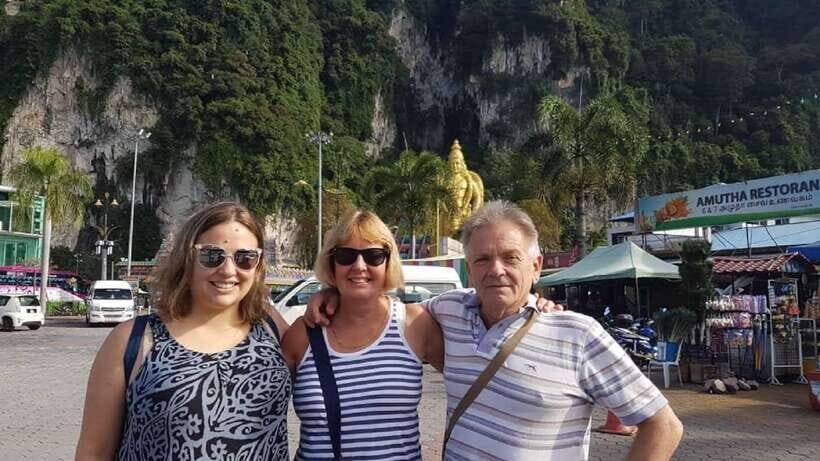
Batu Caves is the big draw, and the tour treats it like the main event. You’ll drive out to the Hindu shrine complex, then climb the famous stairway to the golden statue of Lord Murugan.
What makes it special is not just the scale. The guide explains the Hindu roots of the nation and how the caves became a major devotional site. Once you’re up, the experience shifts from “walking to a landmark” to “standing inside a living religious space,” with people praying, gathering, and moving through the area with purpose.
Practical tips that matter here
- Wear comfortable sneakers. Sandals look fine until you’re halfway up.
- If you’re a little unsure about fitness, pace yourself. Take breaks if you need them—no prize for suffering quietly.
- Bring your energy for the next stop too. After the climb, you’ll still move deeper into the complex.
You’ll also head toward Cathedral Cave, described as the largest cave in the complex. The guide talks through the background of this intricate shrine, so you understand why the details matter instead of only seeing the stone.
And yes—there can be heat and sun. The tour start is timed so you can often reach the caves before things get heavy, which makes a difference on a day when you still have multiple stops left.
You can also read our reviews of more historical tours in Kuala Lumpur


Thean Hou Temple on Robson Heights: a 6-tier pagoda with Hainanese roots

After Batu Caves, the mood gets calmer. Thean Hou Temple sits atop Robson Heights, and it’s easy to spot once you’re in the area: a 6-tiered pagoda-style temple with a strong silhouette against the skyline.
This is one of the best “context” stops on the tour. You’re not just looking at architecture—you’re hearing why it exists. The temple was completed in 1987 and officially opened in 1989, built by the Hainanese community of Kuala Lumpur, and dedicated to the goddess Tian Hou.
For me, the value here is in the meaning. Many places in KL feel like they were layered over time, and Thean Hou Temple is a clear example. It shows how immigrant communities shaped the city’s spiritual landscape—and how those traditions continue today.
Time-wise, you’ll have about 30 minutes. That’s enough for a careful look, a few photos, and a quick read of the space—without turning the stop into a rushed sprint.
National Mosque of Malaysia: modern nationhood, gardens, and Friday closures
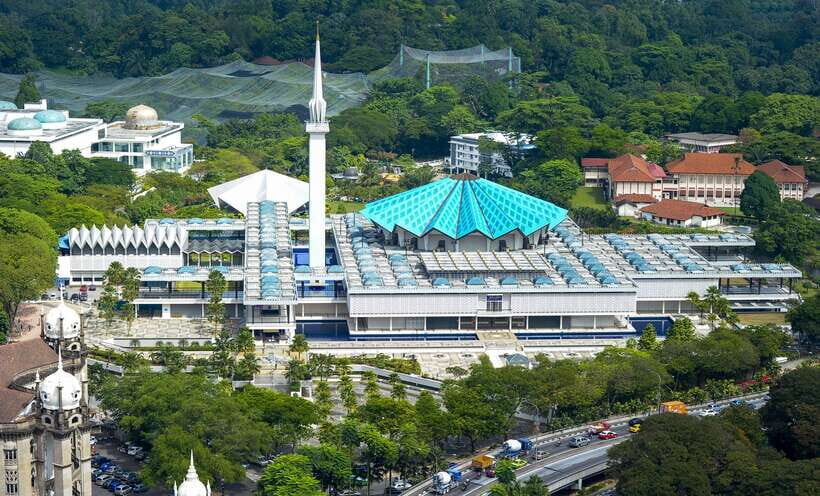
The National Mosque of Malaysia is a striking contrast to the caves and pagoda. It’s designed in the late 1950s as a symbol of the newly independent nation, and it sits within about 13 acres of gardens.
You’ll spend around 30 minutes here. That’s long enough for a respectful look at the building and grounds, and short enough that you won’t feel pressured to cram everything in. The guide’s explanations help you notice details you might otherwise skip—how the design signals identity, not just style.
One important heads-up: the National Mosque will be closed on Friday. If your visit lands on Friday, double-check timing with the operator so you know what will replace that stop or how the schedule will shift.
If you’re trying to get your bearings in KL, this stop also helps you understand the city’s religious balance. You’re seeing three different faith expressions in one half-day, not just hopping between random monuments.
Central Market, Petaling Street, and Chinatown food: shopping and snacking without stress
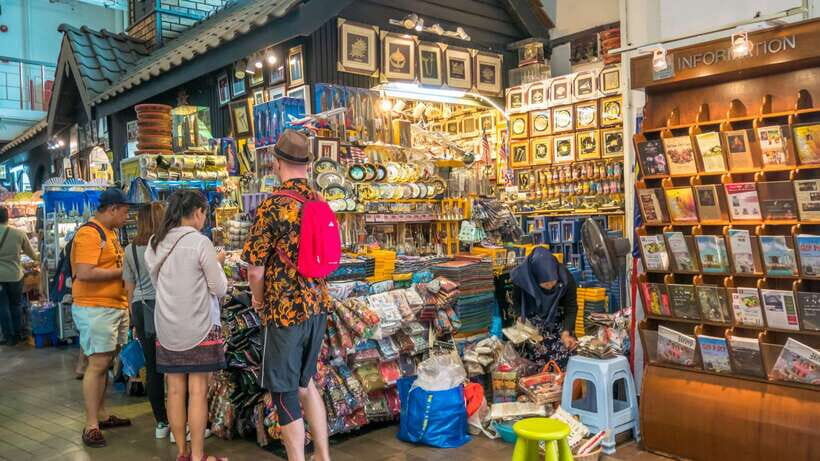
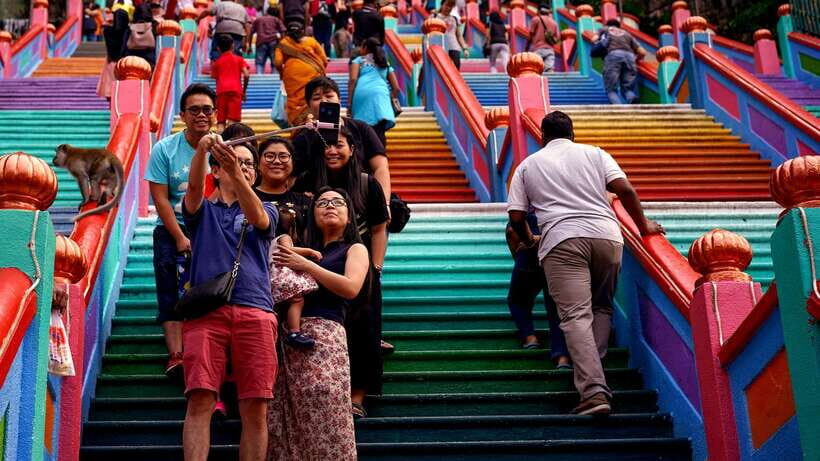
After the religious sites, the tour turns to the everyday Kuala Lumpur that feeds people and families. You’ll head into the Chinatown area with time around Petaling Street Market, and the experience also includes retail browsing time connected with Central Market.
This is where you can slow down and let your senses do the deciding. You’ll see dozens of food stalls tended by Chinese, Indian, Malay, and Bangladeshi traders. That mix alone is a good lesson in how KL’s neighborhoods overlap.
The guide points you toward common favorites such as:
- curry noodles
- Hokkien mee (a Fujian noodle dish)
- ikan bakar (barbecued fish)
- asam laksa (a sour fish-and-tamarind-based soup)
Because food and beverages are not included, you’re in control. You can snack lightly, go big, or skip entirely and just browse. Either way, you’ll leave knowing what you want to return for later.
A practical note: markets can be tempting for souvenirs, but also intense for bargaining and choices. Go in with a plan—one or two categories you actually want—and you won’t blow your time (or your budget).
Little India in Kuala Lumpur: color, culture, and a last taste of the city
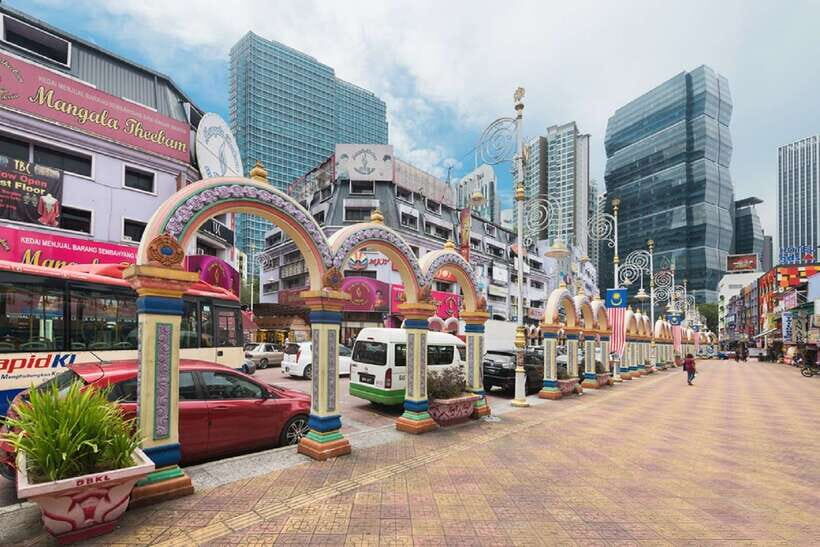
The tour doesn’t stop after Chinatown. You’ll also include time for Little India in Kuala Lumpur, another neighborhood that gives you a sense of the city’s layered culture.
This stop is designed to be quick but useful—enough time to walk around, notice the shops, and pick up small items you might want for later. If you’re the type who wants to understand a city through neighborhoods (not just landmarks), this is one of the places that helps you do that.
It also balances the day physically. After the Batu Caves steps, you’re not climbing anything huge here—just walking and exploring.
If you want your next day in KL to feel easier, treat this as your “what should I do next” stop. You’ll likely spot what you’d like to revisit with more time, whether that’s food, shopping, or a cultural site you didn’t expect to care about.


Price and what $34 really covers in a 4-hour loop
At $34 per person for about four hours, this tour is priced as a value half-day. The big reason it feels reasonable is what you’re getting alongside the sights:
- Hotel pickup and drop-off from city hotels
- An English-speaking driver-guide
- An air-conditioned vehicle
- A set route that hits major highlights without you planning transport between areas
Entrance tickets are not included, and food and drinks are also not included. That’s actually good for value if you like flexibility, since you can choose what to pay for on the day. But it does mean you should budget separately for cave/temple entry and at least some snacks if you’re eating in markets.
Where the tour shines is in the convenience factor. Kuala Lumpur traffic can be slow, and crossing town with a plan saves you time and energy. The program also has a strong record for transport quality, with 86% of reviewers giving it a perfect score—so you’re not stuck in an uncomfortable ride while you bounce between neighborhoods.
How to get the most out of it (and avoid easy mistakes)
This tour moves. It’s not built for lingering all day. Your best strategy is to prepare so your energy matches the schedule.
Plan your clothing and comfort
- Women should wear long dresses or pants with shoulders covered.
- Men can wear a simple tee and knee-length shorts or pants.
- Bring sneakers. Seriously.
Expect one real workout moment
- The Batu Caves climb is the only step-heavy part, but it’s the main one. If you’re worried, take your time up, hydrate where you can, and don’t let pride steal your breaks.
Take advantage of good guidance
Many guides in this style of tour are praised for being engaging, funny, and ready to explain what you’re seeing. Names that come up include Jennifer, Ayyanar, Ayyanar, and Harit—people who often help with pacing, point out where to go next, and make sure you’re back on time. Some also take photos and help you with practical tips like where to find facilities.
If you’re solo, this kind of guided structure can be a relief. You get company without losing freedom to look around.
Should you book this Batu Caves and historic KL tour?
Book it if you want a fast, well-paced introduction to Kuala Lumpur’s major cultural landmarks. This is especially strong if you’re on a time budget, you’d rather sit in AC while someone else handles the driving, and you like learning how different religious and cultural communities shaped the city.
Skip or rethink if:
- You’re visiting on a Friday and you really want the National Mosque stop exactly as described.
- You have limited ability to handle stairs, since the Batu Caves climb to Lord Murugan is 272 steps.
- You’re looking for a deep, slow exploration day. This is a highlights loop, not a full rewrite of KL history.
If you’re flexible and ready for one solid climb plus good market time, this tour is a solid way to get your bearings and leave with specific ideas for what to do next.
FAQ
How long is the Kuala Lumpur Batu Caves & Historic Buildings tour?
It runs for 4 hours.
What does the tour cost?
It costs $34 per person.
Is hotel pickup and drop-off included?
Yes. Pickup and drop-off are included for city hotels, with pickup at the hotel lobby.
Are entrance tickets included?
No. Entrance tickets are not included.
Are food and beverages included?
No. Food and beverages are not included.
Is there a dress code for temple visits?
Yes. Women need long dresses or pants with shoulders covered. Men can wear a simple tee and knee-length shorts or pants. Comfortable sneakers are advised.
Will the National Mosque be open on all days?
No. The National Mosque will be closed on Friday.
Do I need WhatsApp during pickup?
Yes. You should activate WhatsApp during the pickup time, since the guide will contact you to confirm arrival.