REVIEW · KUALA LUMPUR
Kuala Lumpur Walk, Eat & See Tour
Book on Viator →Operated by Funtastic Asia · Bookable on Viator
Hungry for KL’s real neighborhoods? This Walk, Eat & See route strings together Little India, an old Malay village, and Chinatown, then adds central landmarks and street art so you get more than photos. Food bites keep you moving, with stops that make the city feel personal instead of scripted.
Two things I especially like are the mix of three cultural zones in one evening, and the fact that the guide—often named Charles—keeps the pacing friendly while answering questions on the spot. One drawback to plan for: it’s weather-dependent and you’ll cover a lot of ground on a walking route, so comfy shoes matter.
In This Review
- Key Things You’ll Notice on This Kuala Lumpur Tour
- Neighborhood-First KL: What This Tour Really Does Well
- Where You Start: Nu Sentral to Petaling Street
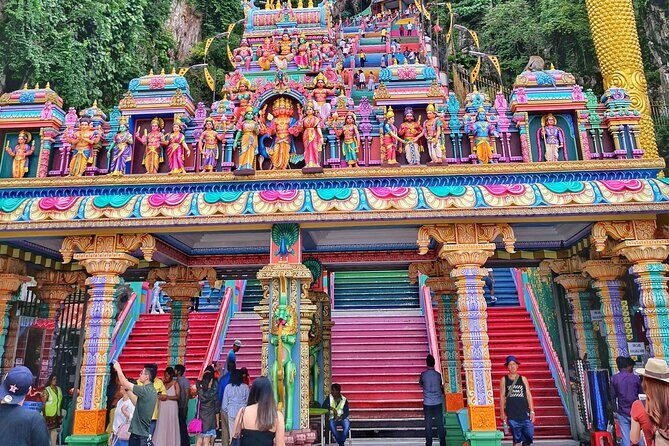
- Stop 1: Little India (Brickfields) and Old-Style Religious Sites
- The Chow Kit Market Area: Early Kuala Lumpur Development
- Stop 2: Kampung Baru—A Look at an Old Malay Settlement
- Stop 3: Central Market Quick Hit and Art-House Alley Energy
- Masjid Jamek, Merdeka Square, and the River of Life Project
- Petaling Street Market: Chinatown, Mural Lanes, and Repurposed Spaces
- Food You’ll Actually Care About (and How Snack Stops Work)
- Train Tickets Included: Why That Changes the Value
- Price, Timing, and What $75 Buys You in Real Life
- Pace, Comfort, and Weather: The One Thing You Can’t Ignore
- Getting the Most Out of It: How to Be a Great Food Walker
- Is This Tour for You? Best Match Situations
- Should You Book the Kuala Lumpur Walk, Eat & See Tour?
- FAQ
- How long is the Kuala Lumpur Walk, Eat & See Tour?
- What does the tour cost?
- What’s included in the price?
- Are alcoholic beverages included?
- Where does the tour start and end?
- How many people are in a group?
- Is the tour near public transportation?
- What happens if the weather is poor?
Key Things You’ll Notice on This Kuala Lumpur Tour
- Small group size (up to 12) so the walk stays manageable and questions get answered
- Street art plus heritage landmarks across Brickfields, central KL, and Petaling Street
- Train tickets included, which helps you link neighborhoods without turning it into a marathon
- Snack-focused food stops tied to the neighborhoods you’re walking through
- No alcohol included, so if you want drinks, you’ll need to plan separately
Neighborhood-First KL: What This Tour Really Does Well
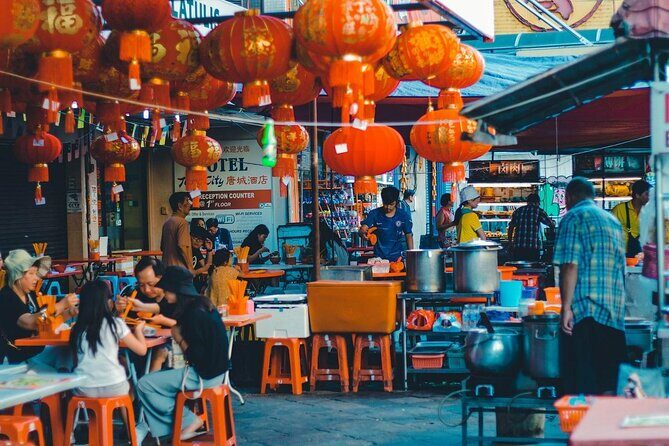
This isn’t a checklist tour. It’s built around how Kuala Lumpur changes block by block—religious brick buildings here, Malay settlement life there, and then the sensory overload of Chinatown and market lanes. You’re not just looking at sights. You’re walking the same kinds of paths locals use, then pausing to eat.
The route also avoids the most common tourist trap: seeing big landmarks with no context. By threading heritage sites and street scenes together—Little India’s older Brickfields area, Kampung Baru’s traditional neighborhood, and central KL—you get a stronger sense of how KL formed and who built it.
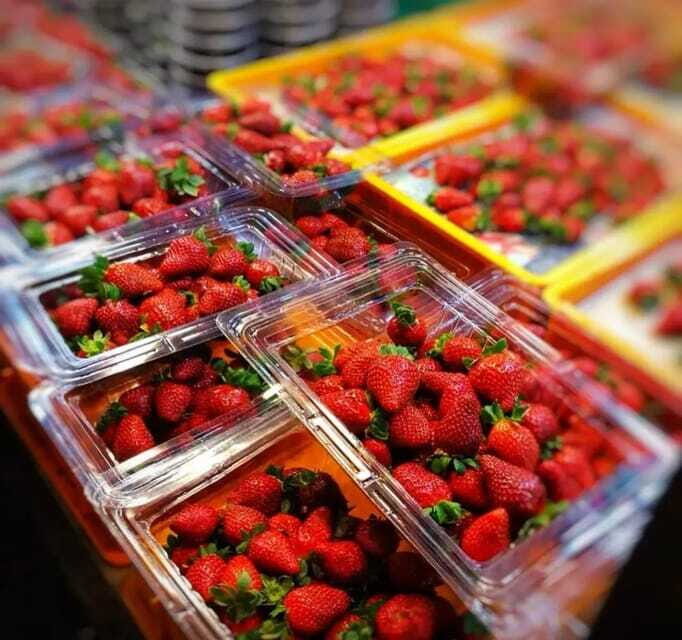
And yes, the food matters. The whole thing runs on snack portions rather than one giant meal, which keeps the evening from dragging. You’ll get bites that match the neighborhood—think classics like nasi lemak, jackfruit, Chinese noodles, and fan-favorite banana roti—so each stop feels like part of the story, not just eating on the way to the next photo spot.
You can also read our reviews of more walking tours in Kuala Lumpur


Where You Start: Nu Sentral to Petaling Street
The tour starts at Nu Sentral (201, Jalan Tun Sambanthan) and ends at Petaling Street Market on Jalan Petaling in the city center. That start-to-finish setup is handy: you begin near a major transit hub and finish where you’re already close to more food, souvenirs, and late-evening wandering.
It’s also designed for real movement. The tour is listed as near public transportation, and the inclusion of train tickets suggests you’ll use transit to connect neighborhoods efficiently. In practical terms, that means less time stuck in traffic and more time walking the parts you actually want to see.
Stop 1: Little India (Brickfields) and Old-Style Religious Sites
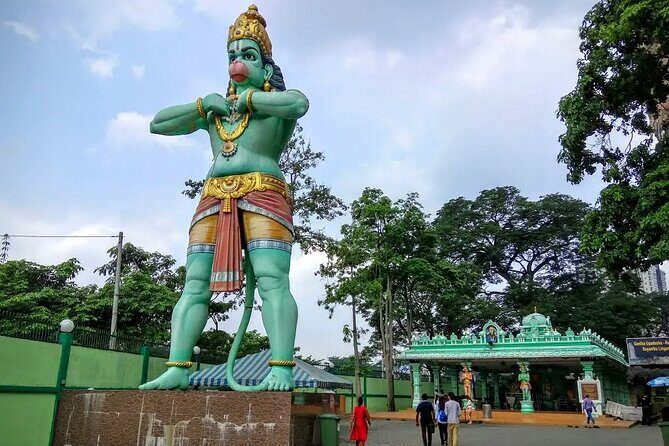
Your first stop is Little India in Brickfields, with about 20 minutes on the clock. The focus here is simple: sample a few food bites and visit older religious sites in the Brickfields area.
Why this works: Brickfields doesn’t feel like a theme park. The neighborhood has an older, lived-in texture, and when you combine that with street-level eating, it’s easier to understand what you’re seeing. Even if your Malay vocabulary is limited (mine would be worse), food is a universal language.
What to watch: because this is an early segment, you’ll want to pace yourself. Snacks come first, so resist the urge to order a huge drink or heavy item right away. Save your appetite for later stops in Kampung Baru and Chinatown, where the food options feel more like a full night out.
The Chow Kit Market Area: Early Kuala Lumpur Development
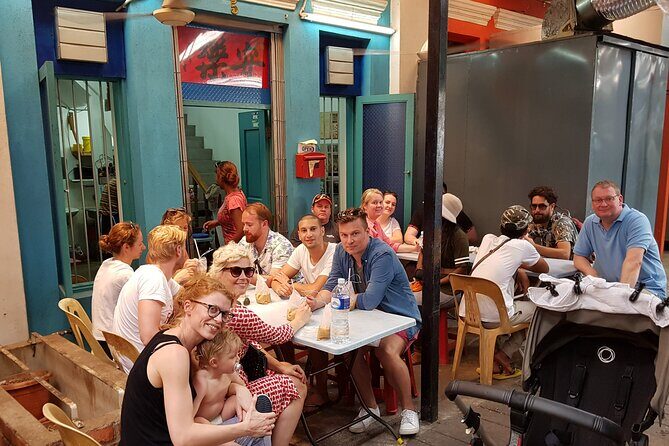
Next you head to the Chow Kit area, tied to Kuala Lumpur’s early development. The stop centers on exploring the market—less of a museum moment, more of a real-world city experience.
Chow Kit is the kind of place where your senses wake up fast. You’ll notice the mix of everyday shopping with the energy of street commerce. This is useful because it balances the heritage stops. The city isn’t only its monuments. It’s also markets, routines, and people moving fast.
Practical tip: this is one of the spots where you’ll benefit from the group being small. If the walk gets crowded in a narrow lane, you can still keep your place and follow the guide.
Stop 2: Kampung Baru—A Look at an Old Malay Settlement
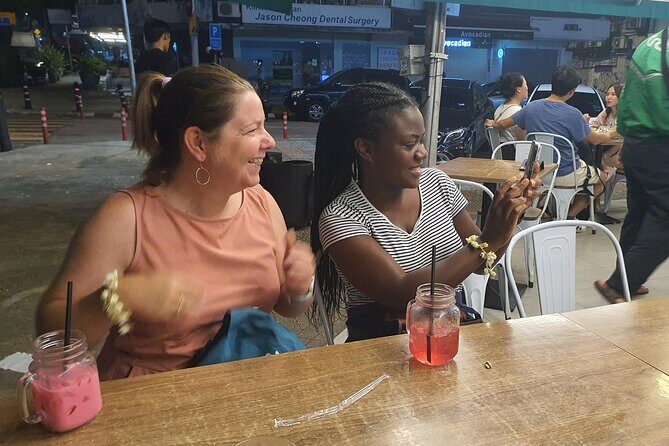
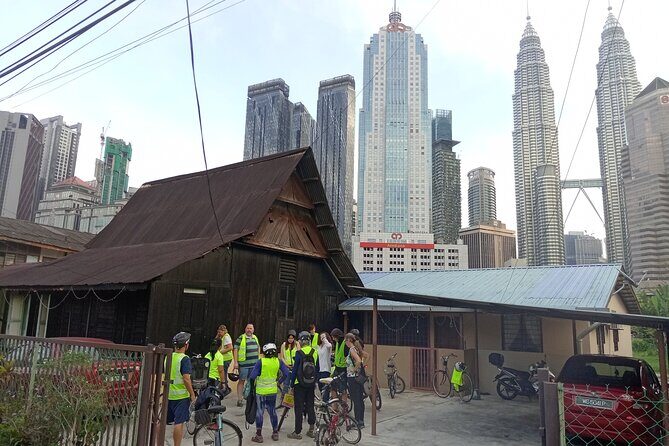
Then you reach Kampung Baru, described as the very first settlement of Malays. You’ll spend about 30 minutes, and the goal is to see how locals lived back in time.
This stop is important because it anchors the evening in something many visitors miss: not every “old KL” scene is only temples and colonial buildings. Kampung Baru gives you a different angle—everyday neighborhood life, older settlement patterns, and a sense of continuity.
The consideration here is time and expectations. Thirty minutes goes quickly. You’ll get a snapshot rather than a long cultural immersion. If you want extra time, you’ll probably be able to extend your exploration on your own after the tour, especially since you’ll be close to transit later.
You can also read our reviews of more tours and experiences in Kuala Lumpur



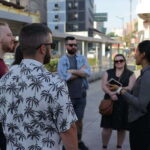
Stop 3: Central Market Quick Hit and Art-House Alley Energy
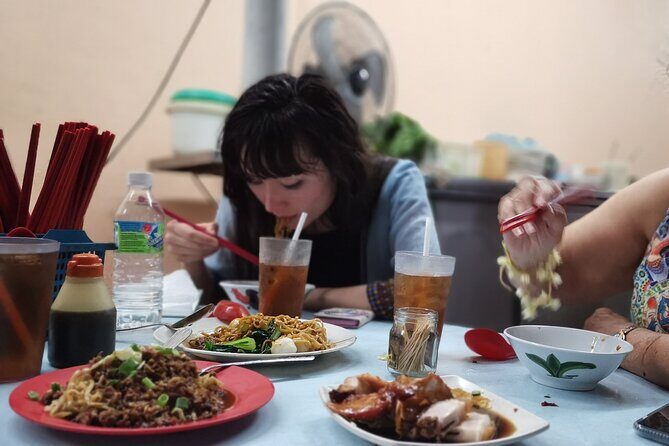
You’ll also stop at Central Market Kuala Lumpur, including a short 5 minutes that’s aimed at walking through the tourist market while checking out nearby alleyways connected to painters and Malaysian history.
That brief stop is a clever “reset.” It helps you shift from neighborhood texture into a more organized central area without losing the walking momentum. Central Market’s location also makes it a natural bridge toward the city-center sights that come next.
A small drawback: if you’re the type who loves to linger, five minutes can feel short. Think of it as a signpost—enough to orient you and give you ideas for later.
Masjid Jamek, Merdeka Square, and the River of Life Project
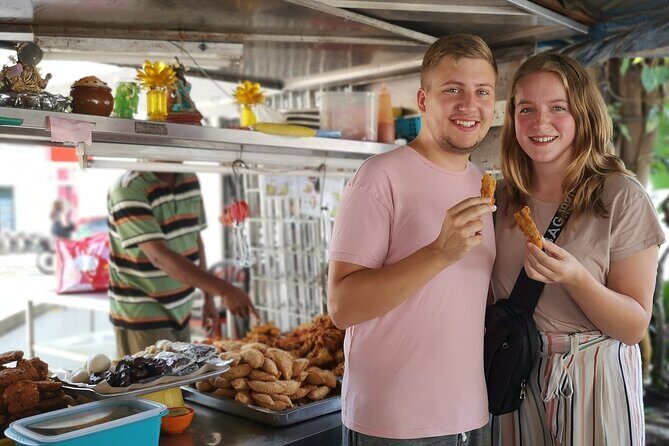
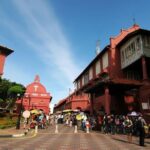
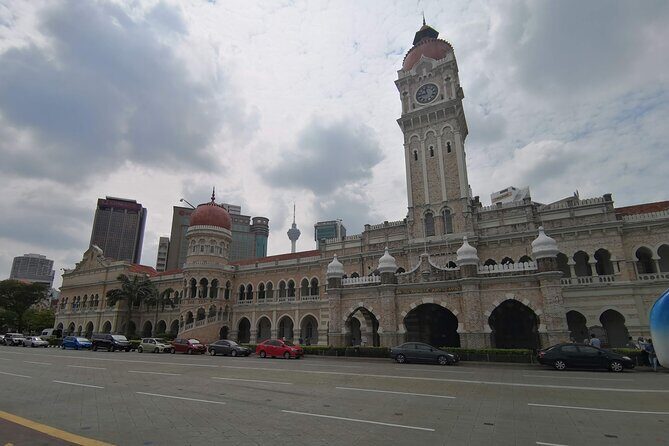
After Central Market, you continue through the old Kuala Lumpur heritage area, including Masjid Jamek, the River of Life project, and Merdeka Square.
This is where the tour stops being only about neighborhoods and starts connecting the dots of KL’s bigger identity:
- Masjid Jamek helps you see how religious life shapes the city’s center.
- The River of Life project brings in a modern human-scale improvement to the riverfront area.
- Merdeka Square gives you a major civic landmark moment.
I like that this part is grouped together. You can watch the city change from everyday streets into major civic space without wasting time backtracking.
One consideration: this area can mean more open walking zones. If the heat or sun is intense, you’ll feel it more than in shaded market lanes. Go in with water and a willingness to take short breaks when your guide suggests it.
Petaling Street Market: Chinatown, Mural Lanes, and Repurposed Spaces
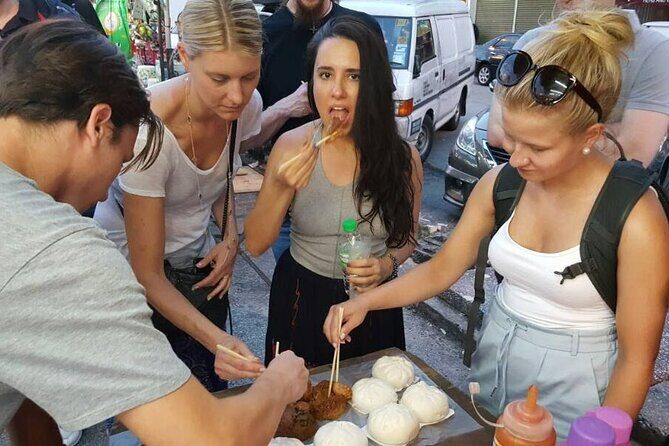
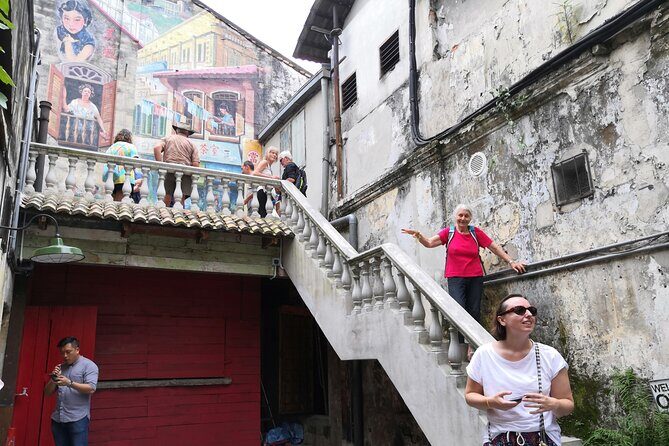
The final major stop is Petaling Street Market, about 10 minutes. The description leans into the twist of a fake market—then quickly shifts to the real attractions: Chinatown streets, repurposed red light lane areas now showing up as cafes, bars, and back alleys, plus street art murals.
This is one of the best parts of KL for photo energy, but it’s also one of those areas where it’s easy to wander off and end up in a spot that doesn’t feel as fun as you hoped. Having the route and the guide keeps you from getting lost in the wrong maze.
What I like here is the blend:
- You get the market buzz.
- You get the modern reinvention of certain lanes into hangout spots.
- You get the street-art side that turns the walk into a visual scavenger hunt.
Tip: if you’re sensitive to crowds, keep your expectations realistic. Market streets can be intense. The key is staying with your group at the start, then letting the final minutes inspire your own detours if the area feels right.
Food You’ll Actually Care About (and How Snack Stops Work)
The tour includes snacks, and the guide-style experience is set up so you sample without committing to one giant restaurant meal. That matters because it keeps you moving and lets you taste more variety across neighborhoods.
From the food examples tied to this route, you’re likely to encounter favorites such as:
- Nasi lemak
- Jackfruit
- Chinese noodles
- Banana roti
I also like that the food choices are tied to location. When the snack matches the neighborhood—Little India near Brickfields, then central and Chinatown lanes later—it gives your evening structure. You’re not just eating; you’re mapping the city through flavor.
One practical note: alcoholic beverages aren’t included. If you want beer or cocktails, you’ll need to pay separately at your own pace.
Train Tickets Included: Why That Changes the Value
A big piece of the value is that train tickets are included. Kuala Lumpur is a city where transit can save time, and having it handled lets you spend less time figuring out routes and more time looking at streets.
For your budget, that inclusion matters. On a $75 per person tour, you’re not just paying for snacks and walking. You’re paying for the connective tissue—the route planning and transit support that gets you between cultural zones without burning hours.
Also, the tour has a clear group cap: maximum 12 travelers. That size is ideal for something like this. It’s small enough to feel personal, big enough to keep it lively.
Price, Timing, and What $75 Buys You in Real Life
At $75 per person, this is priced like a guided city experience, not a DIY food mission. The value comes from three things together:
1) Snacks included
2) Train tickets included
3) A guided route across multiple neighborhoods with heritage and street art stops
If you’d otherwise spend that money on separate transit + a random food plan + guided time for only one area, this format usually wins.
Timing helps too. The tour is generally 1 to 5 hours (approx.), so it can fit evenings without eating your whole day. Just remember the duration is approximate. If you prefer tightly scheduled plans, keep a buffer.
Booking trend detail: it’s commonly booked around 36 days in advance. That doesn’t mean you can’t find space later, but it’s a hint that dates can fill.
Pace, Comfort, and Weather: The One Thing You Can’t Ignore
This experience requires good weather. That’s not a minor detail. A walking-and-market route depends on streets staying pleasant, lanes staying safe to cross, and outdoor stops staying comfortable.
I’d also plan for the reality of walking between cultures and landmarks. Even with transit included, you’ll still do a real walking loop. Wear comfortable shoes and bring a small bag for snacks, water, and any purchases.
If rain hits, you may face a date change or a full refund option. Either way, don’t treat it like a “show up no matter what” plan.
Getting the Most Out of It: How to Be a Great Food Walker
To enjoy this tour, do two simple things:
- Come hungry, not starving. Snacks are the plan; if you arrive with a full meal, you’ll miss some of the fun.
- Ask questions. A guide like Charles tends to make the history and culture parts land, not just recite facts. If you’re curious about why neighborhoods look the way they do, this is the time to ask.
Also, if you love street art and side alleys, keep your eyes open near the edges of the main market roads. That’s often where the most interesting murals appear in city center chaos.
Is This Tour for You? Best Match Situations
This tour is a great fit if you want:
- Food and culture together, without a sit-down restaurant being the whole night
- A guided route through Little India, Kampung Baru, and Chinatown
- Stops that include heritage landmarks like Masjid Jamek and Merdeka Square
- A manageable group size (up to 12 people) and an English-speaking guide experience
It may be less ideal if:
- You hate walking in markets
- You’re not comfortable adjusting to outdoor stop conditions
- You’re looking for a full-day ticketed museum-style experience (this is shorter and more street-focused)
Should You Book the Kuala Lumpur Walk, Eat & See Tour?
Yes—if your goal is to get your bearings fast and eat your way through multiple KL neighborhoods. I think this is especially smart for first-timers who want more than a single district and also want cultural context tied to where you’re standing.
I’d say book it sooner rather than later if you’re traveling during peak season or have a tight schedule. The route is built for good weather, and when conditions are right, the walking pace feels like a friendly night out rather than forced sightseeing.
If you’re the kind of traveler who enjoys street corners, heritage buildings, and food you can actually name, this tour hits a very practical sweet spot.
FAQ
How long is the Kuala Lumpur Walk, Eat & See Tour?
The tour duration is listed as 1 to 5 hours (approx.).
What does the tour cost?
The price is $75.00 per person.
What’s included in the price?
The tour includes snacks and train tickets.
Are alcoholic beverages included?
No. Alcoholic beverages are not included.
Where does the tour start and end?
It starts at Nu Sentral (201, Jalan Tun Sambanthan) and ends at Petaling Street Market (Jalan Petaling).
How many people are in a group?
The tour has a maximum group size of 12 travelers.
Is the tour near public transportation?
Yes. It’s listed as being near public transportation.
What happens if the weather is poor?
The experience requires good weather. If it’s canceled due to poor weather, you’ll be offered a different date or a full refund.