REVIEW · KUALA LUMPUR
Kuala Lumpur Cultural & Heritage Most Iconic Locations
Book on Viator →Operated by Asni Tours & Travel (M) Sdn Bhd · Bookable on Viator
Half a day in KL, and faiths line up. This tour is a smart way to see Kuala Lumpur’s cultural layers without getting lost in a half-day schedule, moving from Chinese clan houses to Hindu temples and then into Islamic architecture. I love the private, guide-led pacing that keeps the stops connected, and I like that you get hotel pickup and drop-off so you spend less time figuring out transport. The main thing to keep in mind: Jamek Mosque is closed on Friday, so on that day you’ll only look from the outside.
This is built as a 3.5-hour walking-and-driving loop that focuses on old KL landmarks such as pre-war Chinatown, the Central Market, and Merdeka Square. Many stops list free admission tickets, which helps you feel like you’re paying for the guide and organization more than fees, and you’ll also want comfortable shoes and a hat or cap for the outdoor stretches.
In This Review
- Key highlights worth planning around
- Why this half-day heritage loop works in Kuala Lumpur
- Chan See Shu Yuen: a clan house that explains Chinatown’s roots
- Chinatown pre-war landmarks: where old streets still set the mood
- Sri Maha Mariamman: Hindu temple heritage near the edge of Chinatown
- Central Market: 1930 architecture and a good pause point
- Sin Sze Si Ya Temple: Buddhist temple details and 1880 roots
- Jamek Mosque: Islamic architecture with a clear access caveat
- Sultan Abdul Samad Building and Merdeka Square: the historic-center anchor
- Guides, transport, and timing: what matters for a smooth day
- Price and value: what you’re really paying for at $119.73
- What to bring, how to dress, and how to behave at sacred sites
- Who this tour fits best in Kuala Lumpur
- Should you book this Kuala Lumpur Cultural & Heritage tour?
- FAQ
- How long is the Kuala Lumpur Cultural & Heritage tour?
- Is hotel pickup and drop-off included?
- Is this a private tour?
- What sites does the tour focus on?
- Are admission tickets included for the stops?
- Is food or drinks included?
- Will I be able to enter Jamek Mosque?
- What should I wear for this tour?
- What type of transport is provided?
- Can I cancel and get a full refund?
Key highlights worth planning around
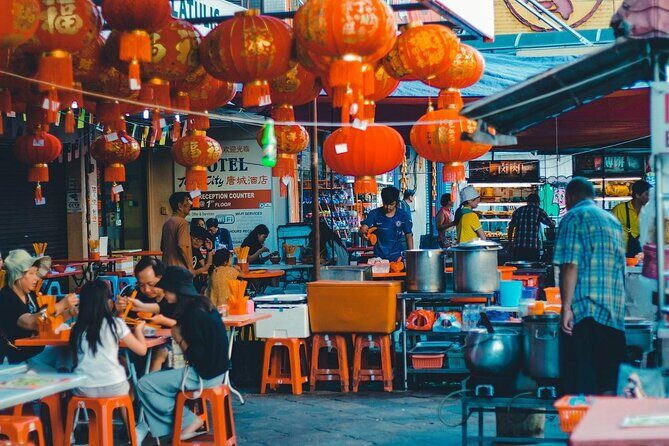
- Private half-day, only your group: you can ask questions and move at a pace that fits your interests.
- Three traditions in one route: Chinese clan heritage, Hindu temples, and Islamic landmarks show how KL was built.
- Classic heritage stops with free entry: several sites are listed with free admission tickets.
- Merdeka Square photo moment: the Sultan Abdul Samad Building is a big visual anchor for understanding KL’s center.
- Friday mosque expectations: Jamek Mosque may be outside-only on Fridays.
- Hotel pickup convenience: selected hotels are included, plus an air-conditioned vehicle helps between stops.
Why this half-day heritage loop works in Kuala Lumpur
Kuala Lumpur can feel like two cities at once: gleaming skyscrapers on one side, and older neighborhoods where faith and community still shape daily life. This tour aims to connect those dots fast. In a few hours, you get a practical sense of how different communities formed, lived side by side, and left behind landmarks that are still active today.
What I like is the focus. Instead of throwing in random photo stops, this route targets well-known, culturally specific places: a Chinese clan house, prominent Hindu temples near Chinatown, key market architecture, and then the big Islamic and colonial-era sights around the historic center. It’s the kind of route that helps you get your bearings and gives you names to look for when you explore on your own later.
One more detail that matters: there’s no lunch included. That’s not a deal-breaker, but it does mean you should plan to eat before or after, especially if you want to keep energy up for temple visits and walking.
You can also read our reviews of more historical tours in Kuala Lumpur
Chan See Shu Yuen: a clan house that explains Chinatown’s roots
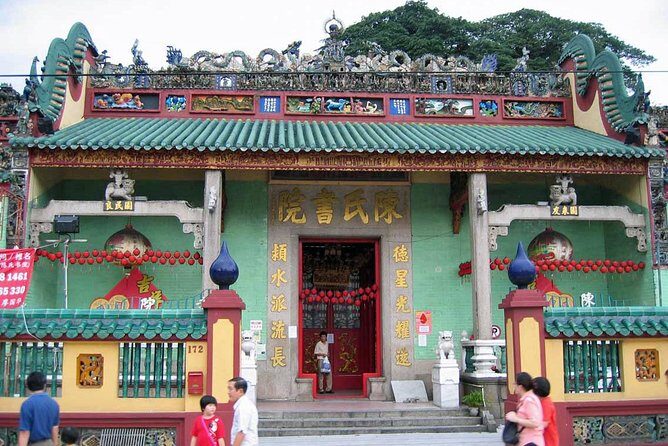
Your first stop is the Chan See Shu Yuen Clan House / temple area. This is where the tour starts building context: the idea that Chinatown in KL wasn’t just a collection of shops, but a community with family and support networks tied to Chinese heritage.
Why it’s worth your time: clan houses help you understand how many Chinese immigrants organized themselves. You’re not just seeing a building; you’re seeing a social structure that shaped neighborhood life. If you’re the type who likes to know what you’re looking at instead of just taking photos, this stop sets a helpful frame for everything that follows.
Practical note: this stop is listed as around 20 minutes with admission tickets listed as free. That’s enough time to look closely, read the basics, and ask your guide what matters most without turning it into a rushed stamp-and-go.
Chinatown pre-war landmarks: where old streets still set the mood
Next up is Chinatown, specifically described as featuring pre-war buildings. This part of the route matters because it’s not only about temples. It’s also about how the neighborhood feels: older street patterns, traditional storefront styles, and the sense that you’re walking in a district that has been shaped over generations.
You’ll get a short, focused visit (listed about 20 minutes). It’s not meant to be a deep shopping session. Instead, it’s meant to help you connect: you see the streets, then you see the religious landmarks close by, then you return to the larger historic-center picture.
If you plan to go back later for snacks or browsing, this stop gives you the emotional map. You’ll recognize areas you pass while you’re on your own, because the tour sets the starting landmarks in your mind.
Sri Maha Mariamman: Hindu temple heritage near the edge of Chinatown
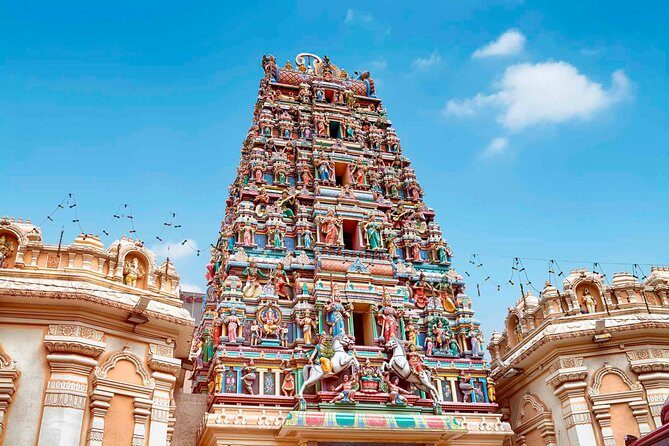
The tour then heads to Sri Maha Mariamman Temple, described as the oldest Hindu temple in Kuala Lumpur, founded in 1873 and located near Chinatown on Jalan Bandar. This is a big historical anchor in the route, and it’s also a place where you can see Hindu religious life as a living practice, not only a museum display.
Why this stop matters in the middle of the day: after a Chinese heritage start, you shift clearly into Hindu worship. That change helps you notice how architecture, symbolism, and community traditions differ while still being close enough to interact in real neighborhoods.
It’s listed as about 20 minutes with free admission tickets. That’s a comfortable length for looking around respectfully, taking in details, and learning the background from your guide without making it feel like a lecture.
Central Market: 1930 architecture and a good pause point
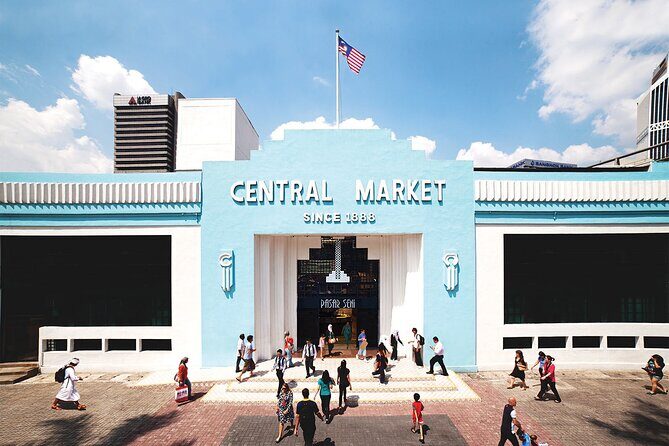
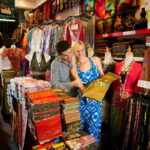
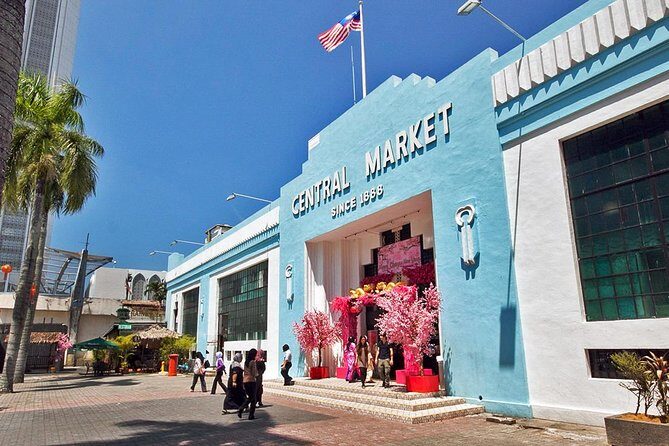
You’ll then reach Central Market Kuala Lumpur, described as built in 1930. This stop acts like a breather and a bridge. You’re moving from temples into a landmark that also reflects daily life: markets and trade have always been central to KL, and Central Market is one of the most recognizable ways to see that.
Why I think this works: it gives you a different kind of heritage. Temples show belief systems and community identity, while market architecture shows how people met, worked, and exchanged goods. The tour’s timing (about 20 minutes here) is enough to spot the building’s character and reset before the next temple and mosque visits.
If you’re hoping to buy small souvenirs, this is one of the most convenient stops in the day. Just don’t assume food is included, since the tour explicitly excludes food and drinks.


Sin Sze Si Ya Temple: Buddhist temple details and 1880 roots
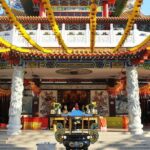
The itinerary includes Sin Sze Si Ya Temple (also listed as Sze Yeh Temple), described as built in 1880, again with free admission tickets. This stop rounds out the “three traditions” promise and gives you another architectural style to compare with what you saw earlier.
What you’ll likely enjoy most here is the visual rhythm: different temple forms, different ornament styles, and different ways the sacred space is organized. Even if you don’t read every plaque, your guide’s explanation usually helps you make sense of what you’re seeing.
This is also a good stop to slow down slightly. If you’re planning to take photos, temples are often where your camera roll will start looking like the trip. The tour schedules these visits to give you enough time to look, not only to move through.
Jamek Mosque: Islamic architecture with a clear access caveat
The next major landmark is Jamek Mosque. The tour notes North Indian Islamic architecture, and it also includes an important access condition: the mosque is closed on Friday, meaning you’ll have a look from the outside only.
This is the stop I’d plan around most carefully. If your travel dates include a Friday, don’t expect the inside visit. If you really want to see the interior, build in a backup plan for another day when you can visit independently.
A helpful way to think about it: even outside-only still gives you value. You’ll still get the architecture, the setting, and the historical connection to the city center. But you should adjust your expectations to match the day.
Sultan Abdul Samad Building and Merdeka Square: the historic-center anchor
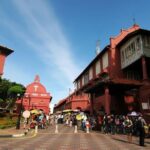
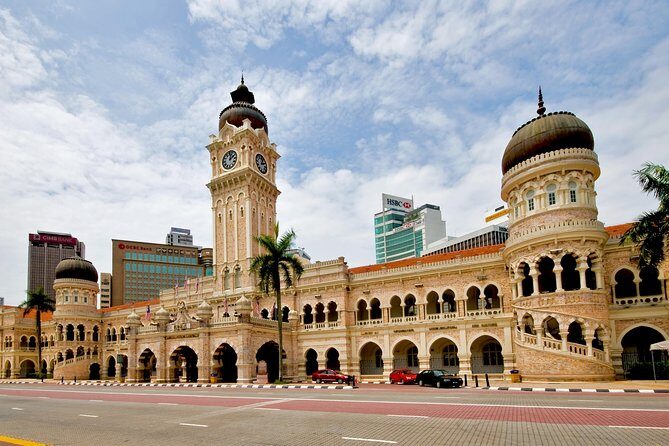
Finally, the tour reaches the Sultan Abdul Samad Building at Merdeka Square. This is one of KL’s signature “big picture” moments. If earlier stops helped you understand community faith and neighborhood roots, this one helps you see the wider historic center and the kinds of buildings that shaped modern KL’s identity.
Why it’s a strong closing stop: you end the half-day with a landmark that photographs well and also gives you a reference point for walking later. After this, you’ll recognize the square and the surrounding area much more easily when you explore on your own.
This last stop is also listed around 20 minutes. It’s enough for key photos, a few explanations, and to wrap up your cultural orientation without turning the last hour into a traffic-heavy crawl.
Guides, transport, and timing: what matters for a smooth day
This experience includes an English-speaking driver, a professional licensed tour guide, and a private vehicle that’s air-conditioned. Hotel pickup and drop-off are included for selected hotels, which is a big deal in KL where transfers can be unpredictable.
The tour is about 3 hours 30 minutes, which is a realistic length for a route that combines short walks with driving between neighborhoods. The pace is designed to keep you moving through KL’s key heritage zones without exhausting you.
Guide names you might run into: I’ve seen guides mentioned such as Raja and Dhevan in connection with this style of tour. What stood out from those names is not just that they can explain sites, but that they help you connect the culture to the city. One guest comment also said Raja helped with planning additional tours, which makes sense if the guide uses your interests to suggest what fits next.
One more real-world caution: mosque access can be time-sensitive. The tour clearly calls out Jamek Mosque’s Friday closure, but on other days, prayer schedules can affect whether you can go inside certain places. If seeing the inside of a mosque is your top priority, ask your guide early how access will work for your day.
Price and value: what you’re really paying for at $119.73
At $119.73 per person for about 3 hours 30 minutes, the headline number looks steep if you’re comparing it to individual entry fees. But most of the value here isn’t ticket cost. It’s the structure: private timing, licensed guidance, and transport so you can hit multiple heritage zones in one half-day.
A few value signals that support the price:
- Hotel pickup/drop-off reduces friction and helps you keep the day moving.
- Many stops are listed as free admission tickets, so your money goes mostly to guide time and logistics.
- You get a route that covers Hindu, Buddhist, and Islamic landmarks, plus Central Market and Chinatown heritage stops, which would take extra effort to piece together yourself.
Still, price is personal. If you mainly care about one attraction, a private tour like this can feel like paying for a lot of extra stops. If you want the full cultural sweep and you’ll use the guide’s context to understand what you see, the cost tends to make more sense.
Also, the tour is often booked about 11 days in advance on average, which suggests it fits well into planning calendars. If you have a tight schedule, booking earlier can help lock in the day you want.
What to bring, how to dress, and how to behave at sacred sites
The tour advice is straightforward: wear comfortable walking shoes and bring a hat or cap. Expect some outdoor time as you move between stops and as you look around temple precincts and market areas.
Even though this is a cultural sightseeing tour (not a strict religious ceremony), you’ll still be entering active worship spaces. Keep your behavior respectful, follow your guide’s lead, and plan for short photo moments rather than long loitering in restricted areas.
Since food and drinks aren’t included, plan a simple meal strategy. You can eat before you meet for the tour, and then plan a proper meal afterward. That makes the middle of the day temple stops feel lighter and more enjoyable.
Who this tour fits best in Kuala Lumpur
This tour is a great fit if:
- You want a guided, organized way to understand KL beyond the skyline.
- You like cultural learning that’s tied to real places: clan heritage, Hindu temples, Buddhist temples, and Islamic architecture.
- You’re staying in a hotel that’s included for pickup and you want that convenience.
It may feel less ideal if:
- You’re only interested in one religion or one single landmark.
- You have limited time and would rather spend it on one neighborhood in depth.
- You’ll be in KL on a Friday and you strongly need an inside mosque visit at Jamek Mosque (it’s outside-only on Fridays per the tour details).
Should you book this Kuala Lumpur Cultural & Heritage tour?
I’d book it if you want a clean half-day route that helps you understand Kuala Lumpur as a multicultural city, not just a list of tourist photos. The mix of Chinatown heritage, Sri Maha Mariamman, Sin Sze Si Ya Temple, Jamek Mosque, and Merdeka Square gives you a balanced snapshot, and the private guide adds the missing link between sightseeing and meaning.
If you’re price-sensitive, I’d think of this as a logistics-and-guidance package. At $119.73, the value improves when you’re actively using the guide’s explanations and you’ll spend time exploring afterward with your new bearings.
FAQ
How long is the Kuala Lumpur Cultural & Heritage tour?
It runs for about 3 hours 30 minutes.
Is hotel pickup and drop-off included?
Yes. Hotel pickup and drop-off are included for selected hotels.
Is this a private tour?
Yes. It’s a private tour/activity, and only your group participates.
What sites does the tour focus on?
The route includes Hindu, Buddhist, and Islamic landmarks, plus Chinatown pre-war areas, Central Market, and Merdeka Square with the Sultan Abdul Samad Building.
Are admission tickets included for the stops?
Admission tickets are listed as free for the listed places of interest.
Is food or drinks included?
No. Food and drinks are not included, and lunch is excluded.
Will I be able to enter Jamek Mosque?
Jamek Mosque is closed on Friday, so you will have a look from the outside only on Fridays.
What should I wear for this tour?
Wear comfortable walking shoes and consider bringing a hat or cap.
What type of transport is provided?
The tour includes private transportation in an air-conditioned vehicle.
Can I cancel and get a full refund?
Yes. Free cancellation is available up to 24 hours in advance for a full refund.