REVIEW · KUALA LUMPUR
Ipoh Caves, Heritage And Cave Temple Tour From Kuala Lumpur
Book on Viator →Operated by RIYAS TRAVEL MALAYSIA · Bookable on Viator
Caves and temples, then old town walks. This private Ipoh day trip is built around limestone wonder and Chinese Buddhist sites, with a driver handling the long-distance logistics from Kuala Lumpur. You’ll see major cave temples plus heritage stops in town, all with an air-conditioned ride and hotel transfers included.
What I like most is the balance: you’re not stuck hunting buses or timing tuk-tuks. You also get personal pace on a private tour, so you can linger where you care and move on when you don’t.
One thing to consider is that the day runs long and road time matters. In at least one case, pickup ran late, and the long drive plus walking inside caves can feel like a lot if you’re not used to it.
In This Review
- Key highlights to know before you go
- A private Ipoh day trip built around cave temples
- Price and timing: what $107 buys you (and what it doesn’t)
- The comfort win: hotel pickup, air-conditioning, and a real driver
- Gua Tempurung: long cave time, and a ticket to plan for
- Kek Lok Tong and Zen Gardens: temple + grounds + history
- Perak Cave Temple: the 40-foot golden Buddha moment
- Sam Poh Tong: the classic oldest-main cave temple feel
- Perak Guanyin Cave and Ling Sen Tong: more serene, less cookie-cutter
- Concubine Lane, then key heritage stops in old Ipoh
- Ipoh Railway Station: from hospital to station
- Ipoh Town Hall and Old Post Office: Arthur Benison Hubback’s imprint
- Itinerary flow: why the order makes sense
- What to watch for: the real-world comfort checklist
- Who this tour suits best
- Should you book the Ipoh Caves, Heritage and Cave Temple Tour?
- FAQ
- How long is the Ipoh caves and heritage tour from Kuala Lumpur?
- Does the tour include hotel pickup and drop-off in Kuala Lumpur?
- Is this a private tour?
- Is the transport air-conditioned?
- Are tickets included for all stops?
- What stops are included on the itinerary?
- Are food and drinks included?
- What’s the tour price?
- What kind of ticket do I use?
- Can I get a full refund if I cancel?
Key highlights to know before you go
- Multiple cave temples in one day: Gua Tempurung plus the big-name cave temples around Ipoh.
- Transfers from Kuala Lumpur hotels: you avoid the hassle of arranging transport across distance.
- A golden-moment temple stop: Perak Cave Temple features a striking 40-foot golden sitting Buddha.
- Old Ipoh heritage stops: Concubine Lane, Ipoh Railway Station (1917), and colonial buildings.
- Ticket split by stop: Gua Tempurung admission isn’t included; several other cave/heritage stops are.
A private Ipoh day trip built around cave temples
Ipoh is one of those places where the “day trip idea” actually works. You start in Kuala Lumpur, then spend the core of the day among cave temples and limestone spaces that feel like a world apart from city life. The goal here is simple: see a stack of the most important sites around Ipoh without doing messy logistics yourself.
This is a private tour, so it’s only your group. That matters because cave temples can be crowded, and you’ll want the flexibility to adjust—step aside when you need a breather, take photos without rushing, and keep an easier rhythm.
The route is also clearly geared toward culture. You’re not just sightseeing caves as scenery; you’re seeing worship spaces, mural-filled interiors, and temple history tied to the region.
You can also read our reviews of more historical tours in Kuala Lumpur

Price and timing: what $107 buys you (and what it doesn’t)
At $107 per person for a roughly 12-hour day, you’re paying for the big-ticket item: private, air-conditioned transport plus an English-speaking professional driver. For many people, that’s the main value—Ipoh is far enough from Kuala Lumpur that DIY travel can become a second job.
Admissions are a mixed bag. Gua Tempurung’s cave ticket is listed as not included, while several other stops include admission. Food and drinks are also not included unless specified, so build in a lunch plan (or money for snacks).
The day is long enough that comfort planning becomes part of the experience. One traveler flagged that the combination of driving time and walking inside/around the sites can be difficult on the legs, so think about footwear and how much walking you want to do in one go.
The comfort win: hotel pickup, air-conditioning, and a real driver
If you want a “sit back and go” day, this tour is designed for that. Round-trip pickup and drop-off from your Kuala Lumpur hotel is included, and you travel in an air-conditioned vehicle for the intercity portion.
Having an English-speaking driver also helps at the stops, where timing and navigation can get confusing fast if you’re on your own. And in one account, the driver/guide was named Nagen, who supported a solo traveler without hovering—comfortable if you want guidance, but still enough space to explore.
That’s the sweet spot for a day like this: you get help when you need it, and you don’t lose your freedom.
Gua Tempurung: long cave time, and a ticket to plan for
Gua Tempurung is first on the list, and it’s a big one. The cave is popular with spelunkers and caving enthusiasts, and it’s described as more than 3 km long—one of the longest caves in Peninsular Malaysia.
Expect this stop to feel more like “cave exploration” than “temple sightseeing.” Since the admission ticket isn’t included, you’ll want to budget for that separately. Also, cave environments can be cooler and uneven underfoot, so bring shoes you trust.
At this point in the day you’re still fresh. Use that momentum. If you know you’re the type who likes to walk and look slowly, this is a good place to do it.
Kek Lok Tong and Zen Gardens: temple + grounds + history
Next up is Kek Lok Tong Cave Temple and Zen Gardens. This site isn’t just a cave doorway with statues. It’s built on a large property—about 12 acres—and it connects cave worship to a broader garden setting.
The history points here are specific: worship on the site is noted as early as 1920, and in 1960 the cave became part of its current form in the temple tradition. That makes the stop feel grounded, not like a random collection of religious buildings.
Since admission is included at this stop, this part is straightforward. You can focus on what you came for—temple architecture, cave interiors, and the way gardens and worship spaces work together.



Perak Cave Temple: the 40-foot golden Buddha moment
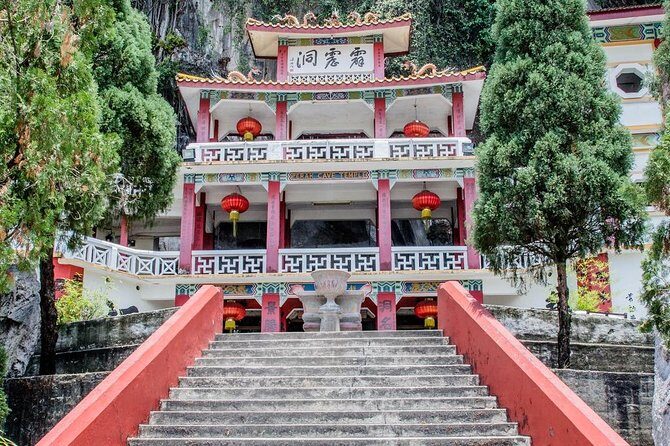
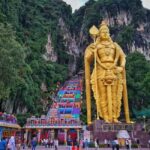
Perak Cave Temple is one of the stops that people remember. The standout detail is a 40-foot golden sitting Buddha that dominates the temple view.
This is the kind of temple stop where your photos will look good even if you don’t do anything special—because the scale does half the work. You’ll also see the cave walls decorated with colorful murals depicting characters and scenes, which gives the place a storytelling feel.
Admission is included here, so you’re not making extra payments mid-day. It’s a solid “anchor stop,” especially if you want at least one big, visually unforgettable temple moment.
Sam Poh Tong: the classic oldest-main cave temple feel
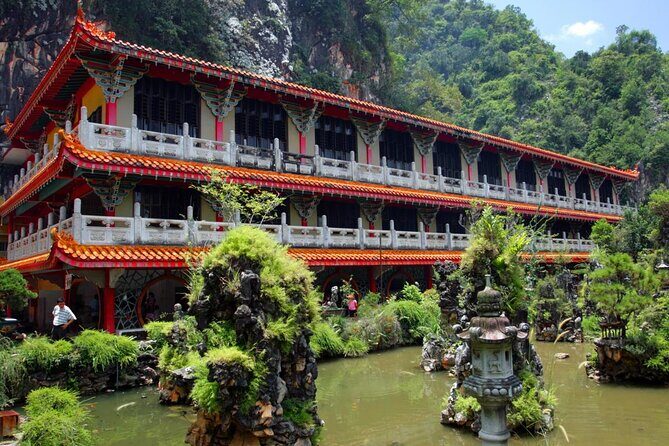
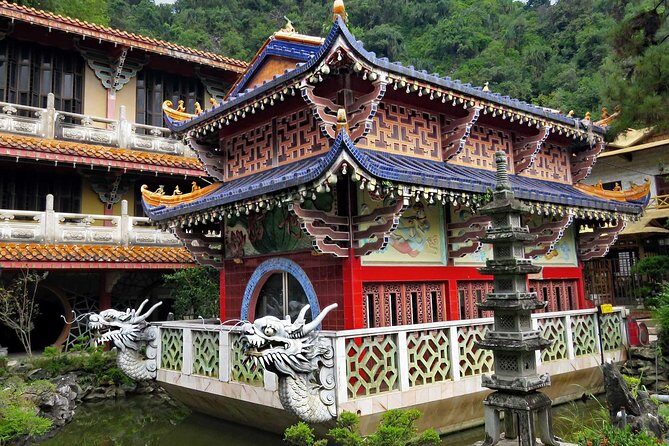
Sam Poh Tong Temple is described as the oldest and main cave temple in Ipoh, and it’s built within a limestone cave. This is a Chinese temple concept adapted to the cave setting, which tends to make these spaces feel both intimate and theatrical.
You’ll get that cave-temple mix right away: stone surfaces, structured worship areas, and a sense of age that you don’t always get from newer buildings. Even the construction description—built with raw lime—adds to the sense that this isn’t a quick add-on. It’s part of a long-standing tradition of using caves as sacred space.
Admission is included, so this is another easy stop to enjoy without budgeting headaches.
Perak Guanyin Cave and Ling Sen Tong: more serene, less cookie-cutter
After the big-name sites, you’ll continue with more cave temples around Ipoh.
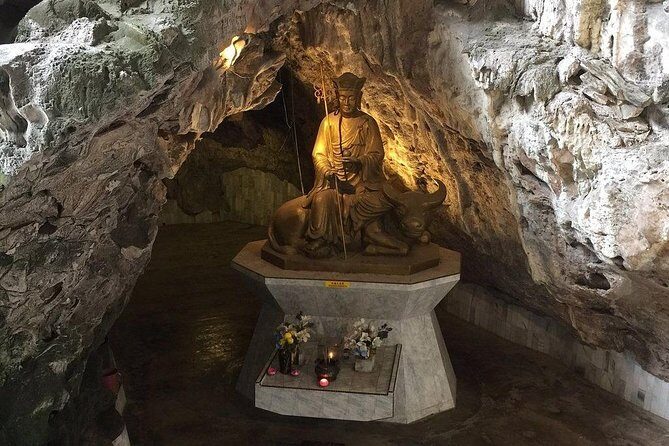
Perak Guanyin Cave (also known under names like Perak Kwan Yin Tong) is located at the foot of Gunung Rapat on Jalan Gopeng. This positioning matters because it ties the cave temple to the surrounding geography, not just a town street.
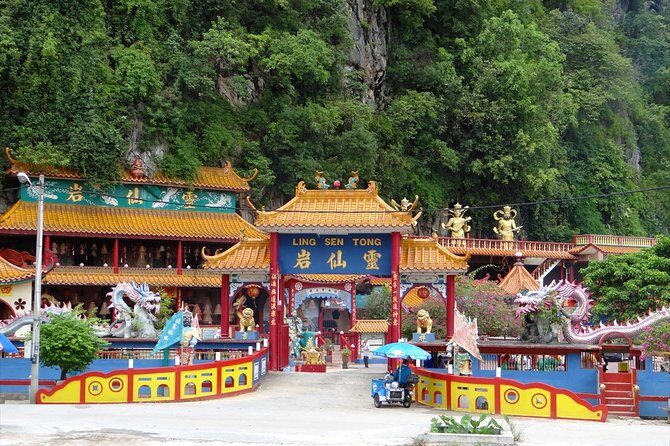
Then comes Ling Sen Tong Temple, and this one is specifically described as different from its neighbors. That’s useful because it keeps the day from feeling like repeating the same checklist. If you’ve already seen a couple “main cave temple” setups, you’ll probably appreciate this variation.
Both stops list admission as included, so you can keep your mental energy focused on what changes between temples: layout, statues, wall art, and the vibe of each cave interior.
Concubine Lane, then key heritage stops in old Ipoh
Once you’ve done the cave portion, the tour shifts into old-town texture. That change of pace is a good strategy because caves can blur together if you rush.
Concubine Lane is a short stop—about 20 minutes—and it’s described as part of Ipoh Old Town. The area is known for a quieter street feel, with traditional coffee and food, plus street art. It’s the sort of place where you can take a few photos, grab a snack if you want, and watch everyday life for a moment.
Then you’ll head to the heritage anchor points:
Ipoh Railway Station: from hospital to station
Ipoh Railway Station has a surprising backstory. It was initially meant to be a hospital and used before the 20th century, then later turned into a station. The original completion year is listed as 1917, which gives the building a deep timeline.
This is a good moment to look at architecture rather than just statues. Even if trains aren’t part of your trip, stations like this tell you how towns grew under colonial-era influences.
Ipoh Town Hall and Old Post Office: Arthur Benison Hubback’s imprint
You’ll also visit Ipoh Town Hall and Old Post Office. The Town Hall is described as one of three colonial-era buildings in Ipoh designed by British architect Arthur Benison Hubback. The other two buildings mentioned are Ipoh High Court and Ipoh Railway Station.
This stop is basically a quick architecture lesson. It helps connect why Ipoh looks the way it does—why certain street structures feel formal and European, even in a Malaysian city.
Admission is included for these heritage stops, so you can treat this section as “walk and observe” time instead of a spend-heavy add-on.
Itinerary flow: why the order makes sense
The sequence is set up to get you moving efficiently.
You start with Gua Tempurung early, while you still have daylight energy for a longer cave visit. Then you move to other cave temples clustered around Ipoh, so you’re not crisscrossing the region unnecessarily.
Finally, you finish with old-town cultural stops—Concubine Lane and heritage buildings—when you’re ready to shift from cave interiors to streets and architecture.
If you want to customize, this kind of route is ideal. You can ask for more time at the temple you love and reduce time at the one you’re less excited about, as long as your driver can keep the overall schedule workable.
What to watch for: the real-world comfort checklist
A 12-hour day sounds simple until you’re sitting in a vehicle for a long chunk of the day and then moving through cave spaces.
Here’s what I’d plan for, based on the tour’s structure:
- Footwear matters: cave floors and indoor stairs can be uneven, and one person specifically noted the leg challenge of the day’s pace.
- Snack strategy: since food and drinks aren’t included unless specified, don’t assume lunch is solved.
- Expect variability: one account reported a late pickup (driver arrived after the scheduled start), so keep your day plan flexible.
- Mobile ticket: you’ll likely use a mobile ticket, so have battery life and clear confirmation details.
The upside is you’re not navigating everything alone. The downside is you’re signing up for a packed schedule, not a slow, meandering museum day.
Who this tour suits best
This is a strong choice if you want:
- A private day trip from Kuala Lumpur with minimal hassle
- A focused mix of cave temples and Ipoh heritage
- An English-speaking driver to handle routing and timing
- Enough flexibility to set your own pace within a structured itinerary
It may be less ideal if you’re looking for a relaxed, no-pressure day with lots of free time. The route is built to cover a lot, so you’ll likely spend your “free time” inside temples, not between stops.
It’s also a good match for culture-minded travelers who like seeing religious sites in context—caves, murals, major statues, and old colonial-era architecture all in one long day.
Should you book the Ipoh Caves, Heritage and Cave Temple Tour?
If your top priorities are cave temples, Ipoh old-town heritage, and comfort travel from Kuala Lumpur, I’d say yes—this tour makes the day doable without you juggling transport.
The value case is strongest when:
- you want hotel transfers and private car convenience,
- you care about hitting multiple cave temples,
- and you’re okay with a full day that includes driving time and some walking.
If you’re sensitive to schedule changes or you know long drive + cave walking will be tough, consider booking with extra cushion in your plan and be ready to adjust your expectations for timing.
In short: it’s a packed, culture-forward day that trades “slow travel” for “see a lot of Ipoh without the stress.”
FAQ
How long is the Ipoh caves and heritage tour from Kuala Lumpur?
The tour runs about 12 hours.
Does the tour include hotel pickup and drop-off in Kuala Lumpur?
Yes. Return hotel transfers are included.
Is this a private tour?
Yes. It’s described as a private activity, and only your group participates.
Is the transport air-conditioned?
Yes. You travel in an air-conditioned vehicle.
Are tickets included for all stops?
Not for every stop. Admission is not included for Gua Tempurung, while admission is included for the other listed stops.
What stops are included on the itinerary?
The itinerary includes Gua Tempurung, Kek Lok Tong Cave Temple and Zen Gardens, Perak Cave Temple, Sam Poh Tong Temple, Perak Guanyin Cave, Ling Sen Tong Temple, Concubine Lane, Ipoh Railway Station, and Ipoh Town Hall and Old Post Office.
Are food and drinks included?
No. Food and drinks aren’t included unless specified, and personal expenses are not included.
What’s the tour price?
The price is listed as $107.00 per person.
What kind of ticket do I use?
The tour includes mobile ticket.
Can I get a full refund if I cancel?
Yes. You can cancel up to 24 hours in advance for a full refund.