REVIEW · KUALA LUMPUR
Treasures Of The Far East-Malacca, Museum, Trishaw Ride(Private)
Book on Viator →Operated by Golden Blossom Tours & Travel · Bookable on Viator
Malacca tells its story on every corner. This private 10-hour outing walks you through a UNESCO World Heritage zone where Portuguese, Dutch, and Chinese communities left visible marks, and the streets still feel like they’re built for wandering. I especially liked the trishaw ride for getting you oriented fast, and the Cheng Ho stop that adds human context to the buildings you’ll see.
The one drawback: you’re on the move for most of the day. With a 8:30 am start and multiple heritage areas, you’ll want comfortable walking shoes and a steady pace, especially if you’re not used to lots of uneven sidewalks.
In This Review
- Key highlights that make this tour worth your time
- Malacca’s UNESCO streets feel like a time machine
- From Kuala Lumpur: an 8:30 am start and a packed 10 hours
- Heritage Centre and the 30-minute trishaw ride
- Portuguese Settlement: short, focused, and easy to miss if you rush
- Stadthuys and the fortress landmarks: Porta De Santiago plus churches
- Bukit China: Sam Poh’s Well and temple atmosphere
- Cheng Ho Cultural Museum (or Sultanate Palace Museum) for the “why” behind the mix
- Jonker Street: historic sites with shopping energy
- Price and value: is $203.77 fair for a private Malacca day?
- What to wear and how to pace your day
- Who this private Malacca tour is best for
- Should you book this private Malacca tour from Kuala Lumpur?
- FAQ
- FAQ
- What time does the tour start?
- How long is the tour?
- Do I get pickup and drop-off from Kuala Lumpur hotels?
- Is this a private tour?
- What is included in the price?
- Which stops have admission included or listed as free?
- Are meals included?
- What should I wear?
- Can the tour handle vegetarian needs?
Key highlights that make this tour worth your time
- 30-minute trishaw ride to see Malacca’s lanes and landmarks without constantly checking maps
- Stadthuys + Porta De Santiago as your anchor for the Portuguese/Dutch-era fort area
- Cheng Ho Cultural Museum (or Sultanate Palace Museum) for context on Chinese ties in the region
- Bukit China with visits to Sam Poh’s Well & temple sights
- Jonker Street stroll focused on historic sites like Cheng Hoon Teng and the Street of Harmony
Malacca’s UNESCO streets feel like a time machine
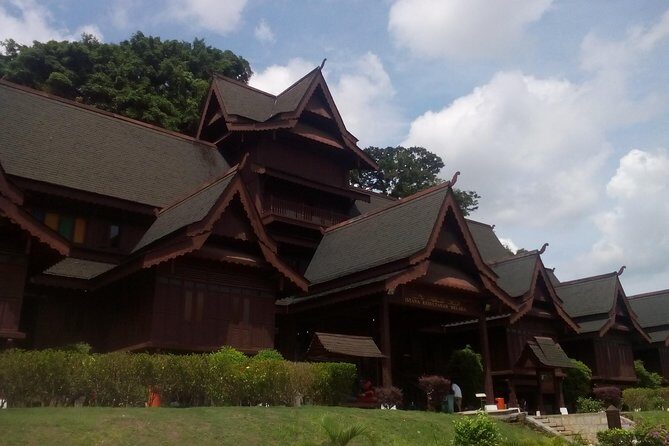
Malacca (also spelled Melaka) was once a major port where trade goods and ideas moved in both directions. You’ll hear how Chinese sailors and the Malacca Sultanate connected around 1409, then how Portuguese control followed after 1511, with Dutch influence later. The result is a city where you can spot layers of rule and culture, not just one era preserved in a museum box.
What I love about this tour style is that it mixes big landmarks with street-level detail. You’ll pass narrow lanes, look for small but telling cues like colorful roof figurines, and get pointed attention on the places that help the story make sense. It’s not a speed-run. It’s more like getting a good guide to set the scene, then letting you walk it.
And because this is a private experience, you’re not trapped in a one-size-fits-all rhythm. If something clicks for you, you can ask questions on the spot.
You can also read our reviews of more private tours in Kuala Lumpur
- Private Tour Kuala Lumpur with Petronas Twin Towers Observation Deck & Batu Cave
★ 5.0 · 1,029 reviews
From Kuala Lumpur: an 8:30 am start and a packed 10 hours
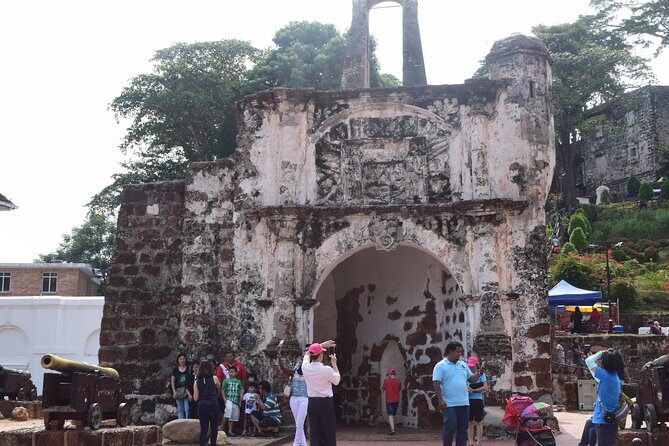
This day starts at 8:30 am, and the total time runs about 10 hours. Expect a full itinerary with stops that each have a time window, so your day feels structured rather than free-form. The upside is you cover a lot without worrying about transport between the heritage zones.
You’ll ride in an air-conditioned vehicle for the transfers. Pickup and drop-off are included, but only for hotels in Kuala Lumpur City Centre—so if you’re outside that area, you’ll want to confirm your pickup details. The tour also uses a mobile ticket, which makes day-of entry easier.
One practical note: you’ll be walking between several attractions. The tour asks for moderate physical fitness, so plan on steady legs and don’t schedule anything heavy afterward the same evening.
Heritage Centre and the 30-minute trishaw ride
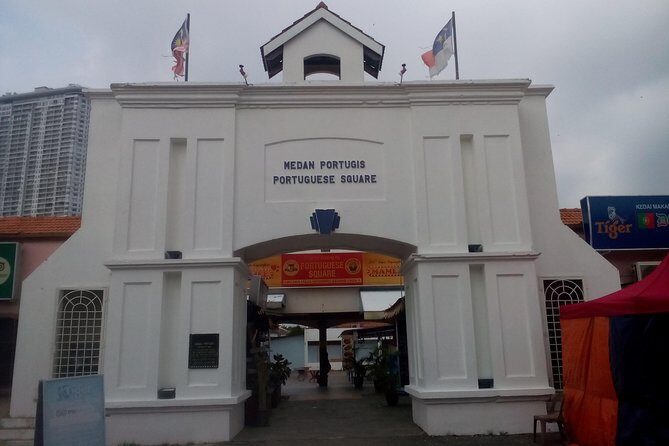
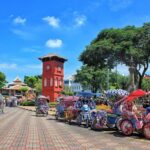
Your first real introduction is the Malacca Heritage Centre, paired with a 30-minute trishaw ride. This is a smart way to start because it gives you orientation while you still have fresh energy in the morning. The trishaw helps you slow down visually, so you notice street form—rooflines, street angles, and how the buildings sit close together.
This stop is built for active viewing, not just standing in one place. Even if you’ve been to historic towns before, the trishaw format changes the feel. You’re not just looking; you’re moving through the lanes in a way that’s slow enough to take in details.
The ticket for this part is included, and the time is tight enough that you won’t lose the whole morning waiting around. Still, it’s best to treat this as a ride-and-look moment, not a long photo session.
Portuguese Settlement: short, focused, and easy to miss if you rush
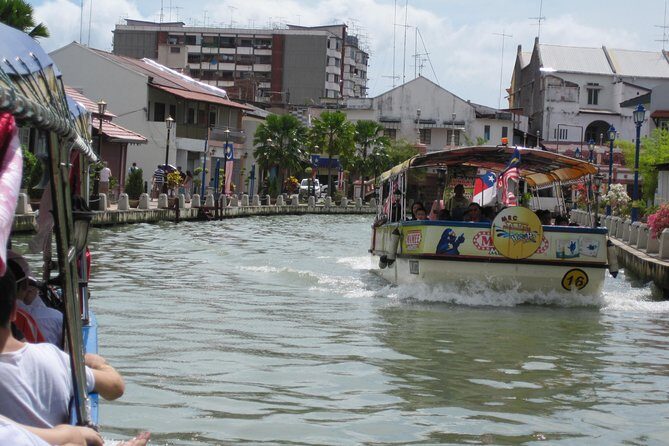
Next is the Portuguese Settlement. The stop is about 20 minutes, and the admission is listed as free for the visit. It’s not designed to be a deep scholarly lecture stop; it’s a quick snapshot that sets up what you’ll see later near the fortress area.
The value here is pacing. You get an early taste of Portuguese influence before you hit the bigger “fortress and churches” cluster at Stadthuys. If you go in expecting a long, museum-style segment, you may feel the time is short. If you go in expecting a highlight stop that keeps the storyline moving, it works.
Tip for your photos: spend a little extra time here only if the streets are alive for you that day. If the area feels busy or crowded, don’t force it—use this stop for quick context and keep energy for the longer segments.
Stadthuys and the fortress landmarks: Porta De Santiago plus churches
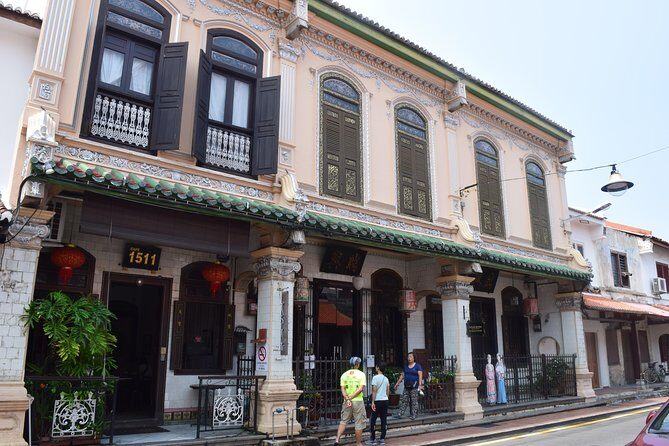
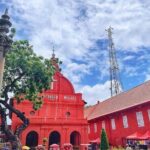
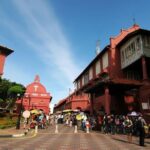
The biggest “anchor” heritage zone is Stadthuys. This segment runs about 40 minutes, with key sites included like Christ Church, Stadhuy’s, Porta De Santiago, and St. Paul’s Church. Admission is listed as free for these visits in the itinerary.
If you want one area that helps you understand why Malacca has so many layers, this is it. Porta De Santiago is the headline. It’s one of those landmarks that makes the city feel like a defended port town, not just a postcard destination.
The best way to use this stop is to look at it from multiple angles. Start by spotting the overall fortress feel, then shift your attention to the churches and the way the area sits together. You’ll start to “see” the city’s evolution rather than just reading labels.
Potential drawback: because there are multiple buildings in one time block, you’ll be tempted to try to absorb everything at once. Don’t. Pick 1–2 spots to slow down on, and treat the rest as context. You’ll remember the slow parts more.
You can also read our reviews of more museum experiences in Kuala Lumpur
Bukit China: Sam Poh’s Well and temple atmosphere
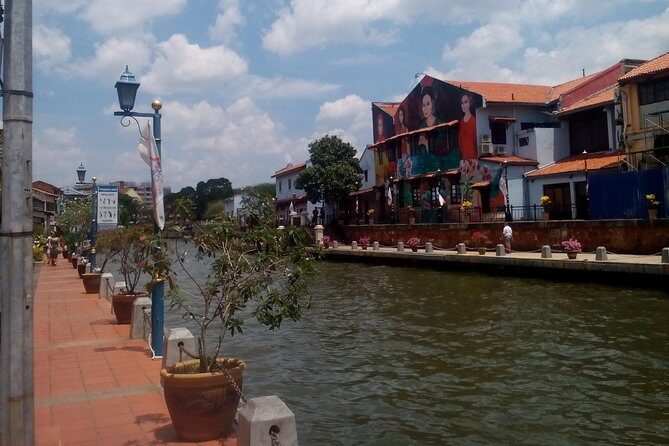
After the fortress cluster, you head to Bukit China (Chinese Hill). This is a 20-minute visit focused on Sam Poh’s Well and temple sights. Admission is listed as free.
This stop is shorter than the museum and Jonker Street segments, but it adds balance. You get a different emotional feel than the fortress area—more quiet, more local detail, more places that feel lived-in.
What to watch for: the temple atmosphere and the well-related area cues. Even if you don’t spend a long time reading plaques, you’ll feel the shift in the landscape and the way people move through it. It’s a useful break before the museum, especially if your morning has been heavy on stone and formal landmarks.
Cheng Ho Cultural Museum (or Sultanate Palace Museum) for the “why” behind the mix
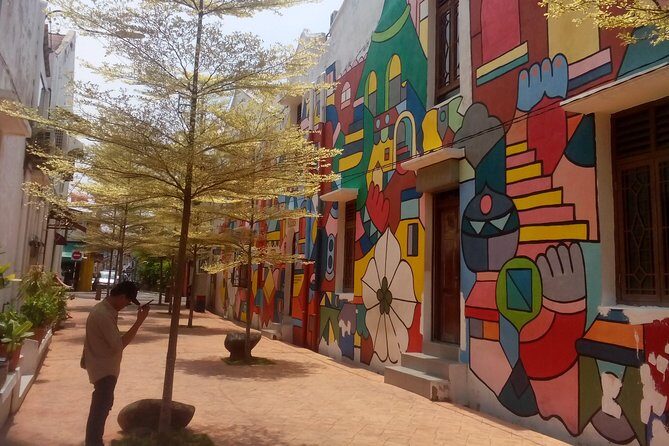
Then comes the stop that ties the whole day together: Cheng Ho Cultural Museum time, about 40 minutes, with admission included. The itinerary notes that you may visit Cheng Ho Cultural Museum or the Sultanate Palace Museum, depending on the day’s route.
This is where you go from names and dates to relationships. You’ll learn about how Admiral Cheng Ho’s connections were part of the larger story of exchange between mainland Chinese influences and the Malacca Sultanate. Even if you’ve seen other Southeast Asian ports, this angle helps you understand why Chinese heritage is visible in Malacca beyond street décor.
I like museum stops like this because they turn wandering into understanding. Instead of randomly photographing, you have a framework for what you’re seeing later—especially around older religious and heritage areas.
If you’re the type who likes questions, this is also a good moment to ask your guide about the connections between communities and how trade shaped the city’s layout. In the feedback for this program, guides like Michelle and David are specifically praised for being passionate and able to explain the mix clearly, so you should get a good conversation here if you ask.
Jonker Street: historic sites with shopping energy
The final major area is Jonker Street, also called Jonker’s Walk in the itinerary. This segment is about 40 minutes, with stops that include Cheng Hoon Teng and the Street of Harmony. Admission is listed as free for these visits.
Jonker Street is where Malacca turns from landmark tour into street life. The “historic” parts matter, but the mood is lighter—people walking, browsing, and pausing for snacks or photos if you want. Cheng Hoon Teng gives you a historic anchor, while the Street of Harmony helps you spot how the city’s old identity shows up in the built environment and street naming.
How to do this stop well: set a small goal. For example, find and photograph one site like Cheng Hoon Teng, then spend the rest of your time just walking slowly and taking in streetscape. Don’t try to shop hard if you’re not traveling with space for purchases. This is a strong area for quick souvenirs and for atmosphere.
Because meals aren’t included, this is also the moment when you’ll likely think about food. If you have a vegetarian diet, the operator asks you to advise meal requests ahead of time, even though the itinerary doesn’t list meals as included. That’s your cue to plan ahead for what you’ll eat during your free time on the day.
Price and value: is $203.77 fair for a private Malacca day?
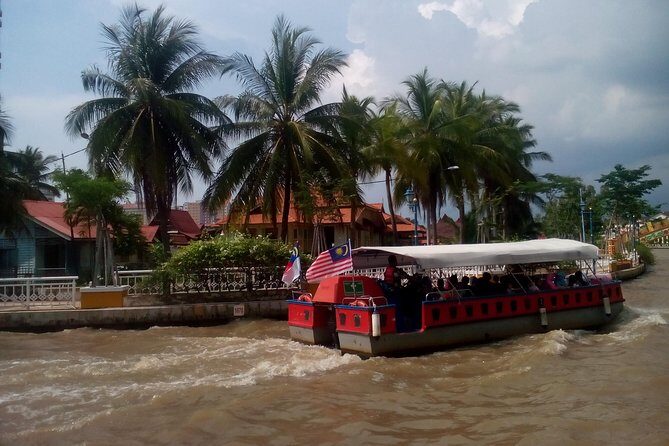
At $203.77 per person, the price may sound steep if you’re comparing it to a cheap group bus. But it’s a private experience with multiple ticketed elements and a full-day plan.
Here’s what you’re paying for, in practical terms:
- Private group format so you control the pace and can ask questions
- Air-conditioned vehicle for transfers across Malacca’s main heritage clusters
- Trishaw ride included (often the most “Malacca-only” experience in the day)
- Cheng Ho Cultural Museum admission included
- Pickup and drop-off for Kuala Lumpur City Centre hotels
- Mobile ticket and a structured schedule, so you don’t lose time figuring things out
If you and your group want the freedom to get the story behind the sites (not just a checklist), private tours start looking like a good value fast. If you’re comfortable building your own day and you don’t care about a guide’s explanations, then you could probably do Malacca cheaper on your own.
My advice: treat this as a “time-saver plus context” purchase. You’re buying better flow, smoother logistics within a single day, and a guide who can connect Portuguese, Dutch, and Chinese influences into something you can actually picture.
What to wear and how to pace your day
The tour recommends casual wear, comfortable walking shoes, and decent dressing when visiting places of worship. Even if you’re not doing a formal religious stop for long, you’ll still be in areas where respectful attire helps you move easily and comfortably.
Bring:
- Sunscreen and a water bottle, because you’ll be outdoors for several segments
- A light layer, since some church-like interiors can feel cooler
- Your phone for photos, but don’t let it steal your attention from the street details
Pacing matters. This schedule hits several heritage zones in a row. If you’re tired, prioritize the landmark moments: Porta De Santiago, Cheng Hoon Teng, and the museum segment. Let the shortest stops serve the story rather than becoming your whole focus.
Who this private Malacca tour is best for
This tour fits best if you:
- Want a one-day Malacca plan without struggling to coordinate transport
- Like history as explanation, not just plaques
- Prefer private pacing and a chance to ask questions
- Appreciate UNESCO-era street walking with clear stop goals
It may feel a bit much if you’re traveling with very young kids or you want long, slow downtime in cafés all day. The structure is helpful, but it’s still a long time commitment.
Should you book this private Malacca tour from Kuala Lumpur?
I’d book it if you’re serious about seeing Malacca’s highlights in one shot and you want the “why” behind the mix of Portuguese, Dutch, and Chinese influences. The trishaw ride plus the museum time are the two strongest reasons to go this route instead of doing it entirely on your own.
Skip or consider alternatives if you:
- Don’t like day tours with a tight schedule
- Want a huge food-focused day with longer meal stops (meals aren’t included here)
- Need very limited walking and are worried about the moderate fitness requirement
If your goal is a well-paced, story-driven day that gives you both landmarks and context, this is a solid pick.
FAQ
FAQ
What time does the tour start?
The tour starts at 8:30 am.
How long is the tour?
The duration is about 10 hours.
Do I get pickup and drop-off from Kuala Lumpur hotels?
Yes, free pick-up and drop-off is included for Kuala Lumpur City Centre Hotel only.
Is this a private tour?
Yes. It’s a private tour/activity, and only your group participates.
What is included in the price?
Included items are Cheng Ho Cultural Museum entrance, the trishaw ride, and sightseeing in an air-conditioned vehicle, plus the pickup/drop-off for eligible hotels.
Which stops have admission included or listed as free?
Cheng Ho Cultural Museum admission is included. Admission for Portuguese Settlement, Stadthuys, and Bukit China is listed as free in the itinerary.
Are meals included?
No. Meals are not included.
What should I wear?
Wear casual clothes and comfortable walking shoes. For places of worship, choose decent dressing.
Can the tour handle vegetarian needs?
You should advise vegetarian meal requests ahead of time, even though meals aren’t listed as included in the program.

More Museum Experiences in Kuala Lumpur
More Private Tours in Kuala Lumpur
- Private Tour Kuala Lumpur with Petronas Twin Towers Observation Deck & Batu Cave
★ 5.0 · 1,029 reviews