REVIEW · KUALA LUMPUR
The holy caverns and temples of the Batu Caves
Book on Viator →Operated by Asian Trails LTD · Bookable on Viator
Three hundred years of steps, in one trip. This tour hits Batu Caves at the right pace, with a guide who explains what you’re seeing, plus stops that give you a feel for Malaysian craft along the way. I like the simple flow—get picked up, ride north, learn something en route, then spend real time at the shrine. I also like that entrance and donation fees are part of the package, so you’re not doing last-minute cash math. One thing to think about: timing can vary, and if your schedule is tight you may feel the Batu Caves portion runs short.
You’ll climb the big stairway to the Lord Murugan shrine, framed by the huge golden statue you can spot from far off. If you go on a rainy day (and it happens), the steps can feel slick, so good shoes matter. I’d also plan to follow the cave dress code closely, because changing facilities aren’t something you want to hunt for on arrival.
This is a good choice when you want a guided Batu Caves visit without the hassle of figuring out transport, where to stand, or what’s worth your time. It’s also flexible enough for solo travelers or groups, since it runs as private or shared-seat. Just don’t treat it like a slow art museum day—this is a climb-and-see day.
In This Review
- Key Things I’d Prioritize on This Tour
- Batu Caves at Human Speed: Why This Plan Works
- The Big Climb: Murugan, Cave Shrine, and Practical Expectations
- Royal Selangor Stop: Craft You Can Watch (Not Just Shop)
- Batik Boutique: Cultural Clothing Lessons with a Sales Angle
- The Tour Day Reality Check: Pickup, Timing, and Dress Code
- Pickup and meeting points
- Time allocation
- Dress code at the caves
- What to wear and bring
- Who This Trip Is Best For (and Who Should Skip It)
- Price and Value: Why ~$98.73 Can Be Fair
- When to Go (and When Batu Caves Closes)
- Should You Book This Batu Caves Tour?
- FAQ
- What’s the total length of the Batu Caves tour?
- Do I get hotel pickup and drop-off?
- How many steps do I need to climb?
- Is there a dress code for entering Batu Caves?
- What stops are included besides Batu Caves?
- Is the Royal Selangor pewter factory visit always included?
- When is Batu Caves closed to visitors?
Key Things I’d Prioritize on This Tour

- 272 steps plus the 42-metre Murugan statue as your landmark start
- English-speaking guide who talks through each stop, not just drives
- Royal Selangor craft time, with a process view you can actually understand
- Batik Boutique for context on everyday wear and ceremonies
- Dress code at the caves means pack knees covered and sleeves on
Batu Caves at Human Speed: Why This Plan Works
Batu Caves is one of those places that feels both famous and overwhelming at first glance. The entrance is dramatic, the climb is real, and the cave area is busy in a way that can make independent visits stressful. That’s where this tour earns its keep: you’re not trying to decode transportation, meet points, or what you’re walking toward.
I like that the pace is built for short attention windows. You get guided time at each stop instead of rushing from one photo spot to the next. You’ll also get a focused ride between locations, which matters in Kuala Lumpur when traffic can turn simple errands into time sinks.
If you’re only in Kuala Lumpur briefly, this is a smart way to “buy back” time. Instead of stitching together public options and paying your own entrances, you get a packaged circuit with guide support.
You can also read our reviews of more tours and experiences in Kuala Lumpur.



The Big Climb: Murugan, Cave Shrine, and Practical Expectations
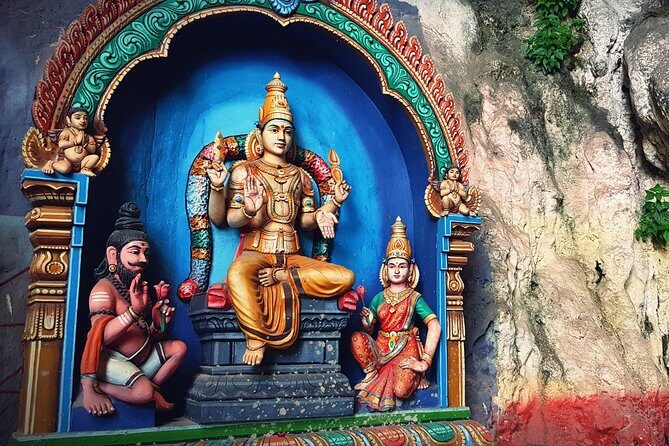
The headline is Batu Caves itself: the limestone steps lead up to a Hindu shrine dedicated to Lord Subramaniam (Murugan). As you approach, the 42-metre tall golden Murugan statue is the visual anchor. It’s not just a background landmark; it helps you orient fast, even before you start climbing.
From there, you’ll work your way up roughly 272 steps. Plan for a steady climb, not a sprint. I like to think of it as a warm-up before you reach the main cave area—because once you’re up, you’ll want energy for looking closely and moving around.
A key real-world detail: the steps can feel harder after rain. One advantage of having a guide is that they can help you navigate the flow of people and the timing of photo moments. If you’re coming with a camera or phone, keep it protected from sun glare and moisture, since the tour operator notes natural elements can be tough on electronics.
Also, bring your attention to the top area. Batu Caves is not quiet. You’ll be sharing space with others taking photos, worshippers arriving, and—yes—monkeys. If you’ve never dealt with temple monkeys before, don’t act surprised; just keep your bags closed and avoid casual feeding. Your best strategy is simple: look, move, and don’t negotiate with wildlife.
Royal Selangor Stop: Craft You Can Watch (Not Just Shop)
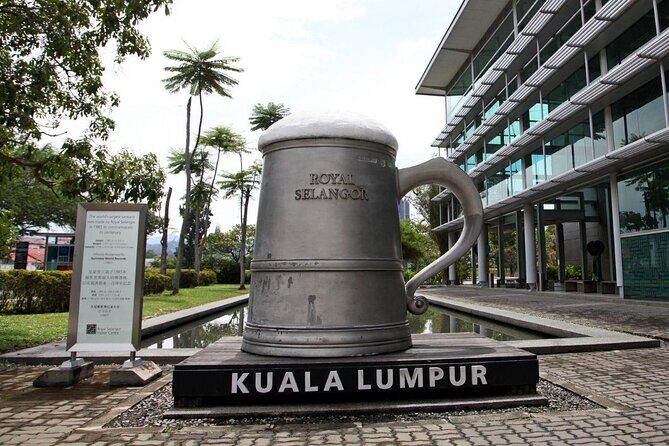
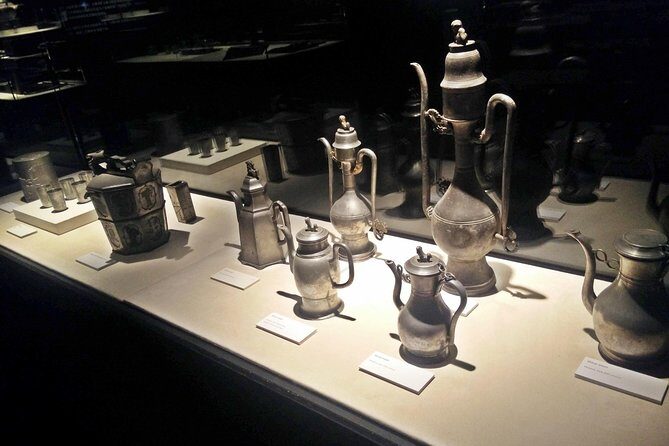
This tour includes a stop at Royal Selangor, a brand tied to pewter craftsmanship. The practical value here is that you’re not only visiting a temple and calling it cultural travel—you get a look at how Malaysian craft turns into everyday objects.
In the real world, this is where people often split into two camps:
- You love watching a process and learning why things are made a certain way.
- You’d rather be at the caves more, thinking the craft stop feels like time away.
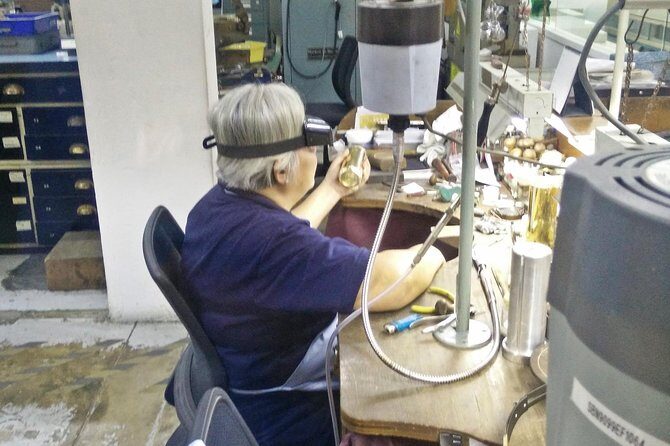
If you’re in the first camp, you’ll likely enjoy seeing the pewter process and understanding what makes the material special. The length of the visit is substantial enough to get through the basics without feeling like you’re standing in a line forever.
One caution: the information provided also notes that in a joint / seat-in-coach format, the Royal Selangor Pewter factory visit is not included. That doesn’t mean the stop is pointless, but it does mean the exact experience can change depending on which option you pick. If seeing the full pewter process is a priority for you, double-check that the pewter factory portion is included in your specific ticket type.
Batik Boutique: Cultural Clothing Lessons with a Sales Angle
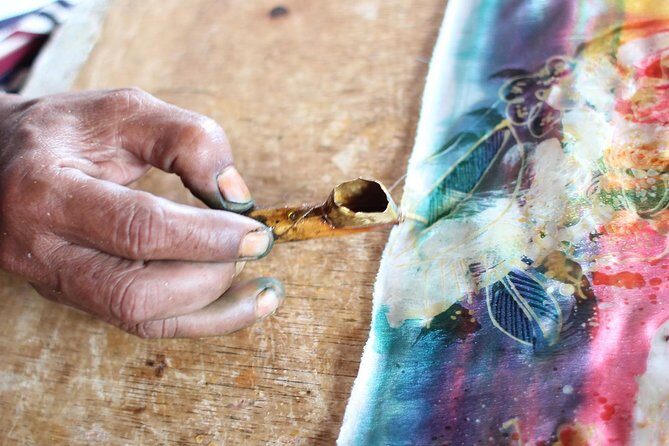
The batik stop is short—about 30 minutes—but it can still be worthwhile if you pay attention to the cultural context. Batik isn’t presented here as a rare museum artifact. It’s described as something still used for uniforms and for events like weddings, and also worn by many Malaysians as daily attire.
This matters because it helps you read what you see later in Malaysia. Batik patterns are visual shorthand for craft traditions, and once you understand it as clothing with meaning, the designs stop being just decoration.
That said, this is also clearly a shop stop. Even if the cultural explanation is helpful, you shouldn’t expect it to be a free-form street market where you’ll always find bargains. If you’re sensitive to retail pressure, keep your budget in mind and treat the batik section as learning time more than shopping time.
The Tour Day Reality Check: Pickup, Timing, and Dress Code

This is the part that can make or break the day, so it deserves straight talk.




Pickup and meeting points
Hotel pickup and drop-off are included for people staying within Kuala Lumpur city area. If you’re not in a standard hotel (or you’re staying in a private residence or an apartment complex), you might be asked to meet at a nearby hotel instead. In one case, people had trouble because they waited at KL Sentral rather than the actual hotel pickup point. My advice: confirm the exact pickup location in writing, and don’t assume a big transit hub will be used.
Pickup times may not be locked in far ahead, though the operator says they make efforts to confirm the exact time on reservation and may update you the day before in case of operational issues.
Time allocation
The tour is listed at roughly 3 hours total, and the stop lengths are built into that structure. Still, a key consideration is that you might feel the Batu Caves portion is the only part that truly needs time. If your day runs tight, you could end up with less time on-site than you’d hoped. If Batu Caves is the main reason you booked, choose the option that gives you the most stable timing (often private feels easier to manage than shared-seat schedules).
Dress code at the caves
This is non-negotiable. You need to cover your knees and avoid sleeveless tops. That means no short skirts or shorts that don’t cover the knees, and no sleeveless shirts. If you show up in summer outfits, you’ll either need to plan ahead or be uncomfortable. The tour also flags that changing rooms may not be easy to access on the spot, so don’t rely on improvising.
What to wear and bring
Wear light, comfortable cotton clothing and comfortable shoes. Bring sunglasses, a hat or cap, and sunblock with high SPF. Even cloudy days can still hit hard.
If you’re photographing, protect your phone and camera from sun and weather elements. The operator is blunt about this: you’re responsible for wrapping and protecting your devices.
Who This Trip Is Best For (and Who Should Skip It)
This tour fits best if you’re:
- Visiting Kuala Lumpur for a short time and want a ready-made Batu Caves plan.
- A first-timer who benefits from an English guide explaining what each stop means.
- Comfortable with a climb and with sharing a busy religious site with other visitors.
It’s also fine for groups, since it runs as private or a shared-seat style. One big plus from the experience style described is that the guide doesn’t just point; they talk through each location. That can turn Batu Caves from a checklist climb into a more meaningful visit.
You may want to skip or adjust your expectations if you’re:
- Counting on a long, slow visit at Batu Caves.
- Hoping the day is mostly scenic downtime rather than structured stops.
- Deeply price-sensitive and worried a shop stop will eat into your time.
Also, if you’re picky about vehicle comfort, know that the tour vehicle may vary. There’s at least one concern in the feedback about bus condition being less clean than expected. It doesn’t mean it will happen to you, but it’s worth factoring in.
Price and Value: Why ~$98.73 Can Be Fair
At about $98.73 per person for roughly three hours, the value depends on what you would otherwise pay to get there and what you’d struggle with if you went solo.
Here’s the value math I’d use:
- You get hotel pickup and return transfers (within Kuala Lumpur city area).
- You get an English-speaking guide.
- Entrance and donation fees for the included stops are part of the price.
- You’re not spending your time negotiating transport or searching for the right entry points.
If you’re the type who spends energy solving logistics, this kind of package can feel like a bargain. If you love independent travel and are comfortable navigating on your own, you might compare it to the cost of tickets plus transport and decide the guide value isn’t worth it.
My take: it’s a fair price when Batu Caves plus a couple of cultural stops is your goal for a half-day. It’s less of a bargain if you’re mainly focused on Batu Caves and want to skip everything else.
When to Go (and When Batu Caves Closes)
Timing matters at Batu Caves. The caves are closed to visitors during:
- The first two days of Chinese New Year (dates vary by year)
- The holy festival of Thaipusam for three days (dates vary by year)
If your trip overlaps with either of those periods, you’ll want to plan an alternate activity. You don’t want to arrive thinking you’ll still get the climb and then find the gates shut.
Weather also matters. The climb is outdoors, and rain can make steps feel more slippery and sweaty. Go prepared with shoes that grip and a mindset that this isn’t a long, relaxed walk—it’s a climb.
Should You Book This Batu Caves Tour?
If your main goal is a well-paced Batu Caves visit with less logistics stress, I’d say yes. You’ll get a guide, covered entrance and donation costs, and a short cultural add-on at batik and Royal Selangor.
I’d book with a couple of checks:
- Confirm your exact pickup location if you’re not staying in a standard Kuala Lumpur hotel.
- Double-check whether the Royal Selangor Pewter factory visit is included with your specific ticket type (especially if you’re choosing a joint/shared-seat option).
- Pack for the cave dress code right away, not as an afterthought.
If you want maximum time on the caves themselves, or you dislike shop stops, you might be happier going with a more Batu Caves-focused option instead. But for most first-time visitors who want an efficient and guided half-day, this is a solid and practical way to do it.
FAQ
What’s the total length of the Batu Caves tour?
The tour is listed at about 3 hours total, with time at each stop planned for a half-day visit.
Do I get hotel pickup and drop-off?
Return transfers are included for people staying within Kuala Lumpur city area. If you’re outside that area, you’ll need to check for supplements, and pickup may vary for non-standard accommodations.
How many steps do I need to climb?
The route up to the shrine involves climbing 272 steps.
Is there a dress code for entering Batu Caves?
Yes. You need to follow a dress code that requires knees to be covered and sleeves to be covered. Short skirts, shorts that don’t cover the knees, and sleeveless tops are not allowed.
What stops are included besides Batu Caves?
The tour includes a stop at the Royal Selangor Visitor Centre and a stop at a Batik Boutique. Batu Caves is the main stop.
Is the Royal Selangor pewter factory visit always included?
The details specify that the Royal Selangor Pewter factory visit is not included under the joint tour option. It’s included as part of the overall described stops, but you should confirm based on your exact booking type.
When is Batu Caves closed to visitors?
Batu Caves closes for visitors during the first two days of Chinese New Year (dates vary by year) and during the holy festival of Thaipusam for three days (dates vary by year).