Two routes and one ticket to move fast through KL. I like the value for the money, plus the onboard multilingual audio that helps you connect landmarks to what’s going on in Kuala Lumpur. The trade-off: buses run on a schedule, with waits of about 30–40 minutes between stops, so you’ll want a plan instead of pure wandering.
This is one of those “you control the pace” passes. You can string together the City Route (Red Line) and the Garden Route (Green Line) over roughly 2 days, getting off for photos, snacks, and site visits when something catches your eye. If you love checking off big sights without doing heavy route planning, this bus pass fits.
In This Review
- Key things I’d watch for before you buy
- How the KL Hop-On Hop-Off Pass Works (Red and Green routes, 60+ sights)
- Price and value: what you’re really paying for at $9.50
- Onboard experience: air-conditioned comfort, Wi‑Fi, and short photo time
- Day 1 on the Red Line: Bukit Bintang to the Petronas area and more
- Bukit Bintang (Stop 1)
- Sheraton (Stop 2), Seri Pacific (Stop 3), Intercontinental (Stop 4)
- KLCC (Petronas Twin Towers) (Stop 5)
- MATIC (Malaysia Tourism Centre) (Stop 6)
- KL Tower (Stop 7)
- KL Citywalk (Stop 8)
- Aquaria (Stop 9)
- Changkat (Stop 10)
- Swiss Garden (Stop 11)
- Day 2 on the Green Line: Central Market to the National Mosque and more
- Central Market (Stop 13)
- Little India (Stop 14)
- KL Sentral (Stop 15)
- National Museum (Stop 16)
- National Palace (Stop 17)
- Lake Garden (Stop 18)
- Bird Park (Stop 19)
- National Mosque (Stop 20)
- Merdeka Square (Stop 21)
- Medan Mara (Stop 22)
- Chow Kit (Stop 23)
- Quill City Mall (Stop 24)
- Concorde (Stop 25) and Tribeca Hotel (Stop 26)
- Final stop: Sungei Wang (Final note)
- A simple strategy to plan your hops without wasting time
- What this pass feels like in real life (and who it’s perfect for)
- Little practical tips that make it smoother
- Should you book the Kuala Lumpur hop-on hop-off bus pass?
- FAQ
- Where do I start this hop-on hop-off bus pass?
- Where does the tour end?
- How often do the buses arrive at stops?
- What hours does the sightseeing bus run?
- How many routes and stops are included?
- What’s included with the ticket?
- Is Wi‑Fi available on the bus?
- Are there air-conditioned seats?
- Do kids ride for free?
- Is free cancellation available?
Key things I’d watch for before you buy
- Unlimited rides across 27 stops covering 60+ attractions, so you can hop when your energy is high
- Two-color routing (Red and Green) that keeps KL from feeling like a blur of names
- Free Wi‑Fi and multilingual audio commentary, useful in the heat and for quick context
- Air-conditioned seating plus open-air options, so you can choose comfort or breezes
- Short photo windows at major stops, so you can grab the shot and keep moving
- Buses every 30–40 minutes, which is frequent enough to explore, but not instant
How the KL Hop-On Hop-Off Pass Works (Red and Green routes, 60+ sights)
This KL pass is built for flexible sightseeing. You buy the ticket (listed at $9.50 per person) and then you use it like a moving transit loop: hop on, ride to the next stop, get off if you want, and jump back on when you’re ready.
What makes it practical is the structure. The routes split KL into two big themes:
- City Route – Red Line: shopping, entertainment areas, and headline landmarks
- Garden Route – Green Line: museums, cultural stops, gardens, and historic landmarks
Each route connects a chain of stops, and the bus runs daily. Buses arrive at stops about every 30–40 minutes, and the service runs from 9:00 AM to 6:00 PM (with the last full ride noted as 4:00 PM). Translation: you can build a full day of sightseeing, but you’ll want to stop making long plans close to late afternoon.
The pass also includes free Wi‑Fi and multilingual audio commentary covering culture and history. That matters because KL can feel like a mix of modern towers and older neighborhoods. The audio gives you enough context to make your stops mean something, even if you don’t have time to read everything on site.
You can also read our reviews of more tours and experiences in Kuala Lumpur.

Price and value: what you’re really paying for at $9.50
At $9.50, you’re not paying for a guide walking beside you. You’re paying for transportation + a guided-style narration + the convenience of not figuring out buses and routes under time pressure.
Here’s the value angle that I think matters:
- You can spread your sightseeing across two days (the pass is offered as 24- or 48-hour options), so you’re not forced into a rushed one-day checklist.
- Unlimited hop-on rides across 27 stops means you can bounce between neighborhoods without re-planning how you’ll get there.
- You still get a structured “tour feel” thanks to the narration and the stop list.
The one caution is that this only works if you use it actively. If you stay on the bus the whole time without getting off, you’ll basically pay for a slow ride with commentary. The best use is getting off strategically at stops that match what you want that hour.
Onboard experience: air-conditioned comfort, Wi‑Fi, and short photo time
The ride itself is set up for the KL weather. You’ll find air-conditioned seating and open-air seating, depending on where you sit on the bus. One practical note from a common onboard setup: the upper section is described as half-covered with air-conditioning, which can be a sweet spot when the sun is strong.
You also get free Wi‑Fi, which is helpful when you want to check opening hours or map out your next hop without burning your data.
Audio is another big plus. The pass includes multilingual commentary, and English narration is specifically referenced in feedback. That means you’re not stuck with “maybe I get the gist.” You’ll usually understand what you’re looking at while you’re moving.
Finally, there are brief opportunities at major stop points for photos. Feedback puts the photo window around 10 minutes at main attractions. That’s not long, but it’s enough to get the shot and decide whether you want to come back later.
Day 1 on the Red Line: Bukit Bintang to the Petronas area and more
The City Route (Red Line) is a smart first day choice if you want KL’s famous landmarks and the areas where people go out. It starts around Bukit Bintang and runs through stops that feel like a mix of modern city life and major icons.
Here’s how I’d think about each stop on the Red Line, and what to do when you get off:
Bukit Bintang (Stop 1)
This is a high-energy starting zone. Use it to settle in, grab water, and orient yourself before you move on. If you’re the type who likes shops and late-night atmosphere, this is your baseline.
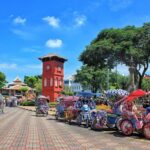

Sheraton (Stop 2), Seri Pacific (Stop 3), Intercontinental (Stop 4)
These hotel stops are useful even if you’re not staying there. They place you in central, walkable areas where you can connect to nearby restaurants or move through parts of town without guessing.
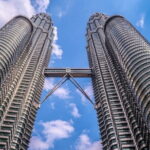
KLCC (Petronas Twin Towers) (Stop 5)
This is the postcard stop. If you want the classic KL view, this is where you’ll want to be ready for photos. Plan for quick pictures first, then decide if you want longer time on the ground.
MATIC (Malaysia Tourism Centre) (Stop 6)
This is one of those “information and orientation” stops. Even if you’re not buying tickets or brochures, it’s a good place to reset your plans for the rest of the route.
KL Tower (Stop 7)
Another skyline call. If you like views, this stop is a natural check-in point. Even when you don’t go up somewhere, the area gives you that “KL from above” feeling in the streetscape.
KL Citywalk (Stop 8)
This one fits a simple strategy: get off, stretch your legs, and handle small needs (snacks, coffee, a quick browse) before continuing.
Aquaria (Stop 9)
If you want something different from towers and shopping, this is your cultural/attraction break. It’s also a convenient stop if the weather turns hot and you want an indoor option.
Changkat (Stop 10)
This is a food and night-life kind of stop based on the kind of area name it is. Use it for an evening plan or to keep the day moving without committing to one giant museum-style visit.
Swiss Garden (Stop 11)
This stop reads like a green/relaxed option compared to the city center sections. If you’ve been walking a lot, this is where you can slow down and take a breather.
At this point, many people decide whether to continue further or wrap up the day. One reason the Red Line works for Day 1 is that it mixes “big sight” stops with “rest of the day” stops.
Day 2 on the Green Line: Central Market to the National Mosque and more
The Garden Route (Green Line) is the route I’d choose for a second day if you want KL’s cultural bones. This side of the city leans into museums, historic landmarks, and neighborhood identities.
Central Market (Stop 13)
This is a strong start for a cultural day. It’s a good stop to browse without needing a long plan, and it’s an easy place to refuel between sites.
Little India (Stop 14)
Use this stop to experience a different neighborhood vibe. Even if you don’t do a full walking tour, it helps you understand how KL’s communities shape the city beyond the main tower district.
KL Sentral (Stop 15)
This is helpful for logistics. KL Sentral is the kind of hub stop that can help you connect if you’re combining bus sightseeing with other plans.
National Museum (Stop 16)
If you want context, this is your “learn something” stop. Even a short visit can make the rest of the day’s landmarks click.
National Palace (Stop 17)
A landmark that fits a quick check and photos, plus it gives you a sense of Malaysia’s official-era presence in the city.
Lake Garden (Stop 18)
This is a reset stop. If you’re tired of shopping corridors and want open air, this is a good place to slow down.
Bird Park (Stop 19)
This is another attraction stop that breaks up the day. It can be an ideal option if you want something easy and distinct from the city center icons.
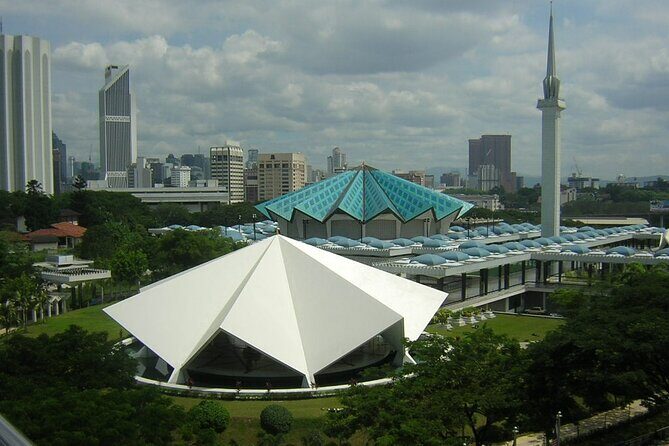
National Mosque (Stop 20)
A big religious-cultural stop. Even if you don’t spend a lot of time there, it’s a key point for understanding KL’s history and everyday life.
Merdeka Square (Stop 21)
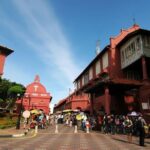
This is where national story meets public space. It’s a natural stop for photos and for appreciating the scale of the area.
Medan Mara (Stop 22)
A neighborhood-level stop that can be useful if you want to keep exploring beyond only the top headline sights.
Chow Kit (Stop 23)
Another neighborhood stop that fits snacks and wandering. Use it if you want to feel the city in a more street-level way rather than only the major attraction zones.
Quill City Mall (Stop 24)
A modern convenience stop. If you’re trying to beat heat or you need a quick break, malls make the sightseeing day more forgiving.
Concorde (Stop 25) and Tribeca Hotel (Stop 26)
Hotel-area stops again, useful for connecting back into transit and finding practical services.
Final stop: Sungei Wang (Final note)
Your ride plan wraps with Sungei Wang as a final stop (not listed as a stop in the route list, but noted as the final stop for the pass). It’s a strong finish point if you want more shopping or just a clear end to your hop-on loop.
A simple strategy to plan your hops without wasting time
With 30–40 minute intervals between stops, the secret is not overthinking. Here’s a strategy that matches how this pass is set up:
- Pick one route per day. Do Red Line on Day 1 and Green Line on Day 2. It keeps you from zig-zagging across KL.
- Spend longer at the “anchor” stops: KLCC (Petronas Twin Towers) and KL Tower on the Red Line; National Mosque, Merdeka Square, or National Museum on the Green Line.
- Use the shorter stops as breaks. For example, hotel-area stops can be quick connections, and shopping/food-area stops help you eat and reset.
Also, plan for the bus schedule. If you know you’ll want a long sit-down meal or a longer museum visit, leave yourself enough time to catch the next bus without stress.
What this pass feels like in real life (and who it’s perfect for)
This isn’t a “stand still and listen” tour. It’s a moving overview of KL with enough structure to keep you from feeling lost.
You’ll like this pass most if you:
- Want a fast way to get your bearings across neighborhoods
- Like big sights plus cultural stops, without committing to guided walking tours
- Prefer checking out attractions on your own terms
- Are traveling with mixed interests, because you can split time between landmark photos and more flexible breaks
It’s less ideal if you hate waiting. Waiting is part of the system. Even with frequent service, you’re working in hops, not instant transit.
Little practical tips that make it smoother
These are small things, but they help you enjoy the ride instead of managing it.
- Sit where you’re comfortable. If it’s hot, use the air-conditioned section; if you want air and views, choose open-air options.
- Save your energy for getting off at the right times. With limited photo windows mentioned around main attractions, you’ll do better if you know where you want pictures before the bus arrives.
- Bring a plan for meals. Stops like KL Citywalk, Changkat, and Chow Kit make it easier to eat without going far, but you should decide your hunger rhythm rather than leaving it to chance.
Should you book the Kuala Lumpur hop-on hop-off bus pass?
If your goal is to see a lot of KL without wrestling with transit routes, this is an easy yes. The two-route system, the unlimited hop-on rides, and the onboard Wi‑Fi + audio commentary make it a strong value option for first-timers or time-crunched trips.
I’d skip it only if you already have a tight transit strategy and you’re confident you’ll spend most of your day walking between the exact sites you care about. Otherwise, paying for flexibility is often the smarter move in a city this spread out.
FAQ
Where do I start this hop-on hop-off bus pass?
You start at the kiosk in Bukit Bintang: 111, Jln Sultan Ismail, Bukit Bintang, 50250 Kuala Lumpur, Malaysia.
Where does the tour end?
This activity ends back at the meeting point.
How often do the buses arrive at stops?
Buses arrive at each stop every 30 to 40 minutes.
What hours does the sightseeing bus run?
The service operates daily from 9:00 AM to 6:00 PM. Unlimited stops are listed for 9:00 AM–4:00 PM, with the last full ride at 4:00 PM.
How many routes and stops are included?
There are two routes: the City Route (Red Line) and the Garden Route (Green Line). Together they include 27 stops and cover 60+ attractions.
What’s included with the ticket?
The ticket includes the hop-on hop-off bus pass and sightseeing bus tour, with unlimited stops during the listed hours (9:00 AM–4:00 PM, last full ride at 4:00 PM). It also includes pick-up and drop-off available along designated routes.
Is Wi‑Fi available on the bus?
Yes. Free Wi‑Fi is included.
Are there air-conditioned seats?
Yes. The bus offers air-conditioned seating and open-air seating.
Do kids ride for free?
Children between 1 and 4 years old ride free.
Is free cancellation available?
Yes. Free cancellation is available up to 24 hours in advance for a full refund. If you cancel less than 24 hours before the start time, the amount paid is not refunded.

![Kuala Lumpur Private Day Tour [8 Hours] [23 Attractions Covered] - Batu Caves to Petronas: Big Icons in the Morning Light](https://m.thekualalumpurguide.com/wp-content/uploads/kuala-lumpur-private-day-tour-8-hours-23-attractions-covered.jpg)