REVIEW · KUALA LUMPUR
Malaysia Countryside and Batucaves from Kuala Lumpur
Book on Viator →Operated by Travel Yamu Experience at Malaysia · Bookable on Viator
Stairs to the top, then it pays off. This Kuala Lumpur tour packs Batu Caves and two classic craft stops into a small group day (max 15), with hotel pick-up and drop-off so you skip the public-transport hassle. You also get an easy, paced drive around Selangor’s Gombak area, plus guided moments that explain what you’re actually seeing, not just where to stand.
I like that the stops are short but meaningful: Batu Caves for Lord Murugan and the famous steps, a batik factory visit to understand how Malaysia’s patterned textiles are made, and Royal Selangor for live pewter demos. The only real drawback to plan around is simple: meals and snacks are not included, and the whole trip is only 3 to 4 hours—so you’ll want your own water and a light snack strategy.
In This Review
- Key things to know before you go
- How the KL pickup and 3–4 hour rhythm works
- Batu Caves: Murugan, 400-million-year limestone, and the climb math
- Batik Chong vs Jadi Batek: what you’ll learn and what to buy
- Royal Selangor pewter: the live demo that makes it click
- The drive-by lessons: Gombak, Setapak, and why they matter
- Price and value: what you’re really paying for at $25
- Practical tips that make a difference (and a couple warnings)
- Who this tour suits best
- Should you book this Batu Caves and batik plus pewter tour?
- FAQ
- How long is the Malaysia Countryside and Batucaves tour from Kuala Lumpur?
- Does the tour include hotel pick-up and drop-off?
- Are meals or snacks included?
- What’s included in the ticket price?
- Is this tour affected by Thaipusam?
- Can I get a full refund if I cancel?
Key things to know before you go

- Hotel pick-up and drop-off in Kuala Lumpur means fewer logistics headaches and more time on-site.
- Small group size (up to 15) keeps the day from feeling rushed or crowded.
- Free admissions are included for the major stops, so you’re mainly paying for transport and guidance.
- Batik factory choice depends on traffic (you’ll visit only one place that day).
- Smart casual dress code is required, but comfortable shoes still matter for the climb.
- Thaipusam closure affects operation for 3 days around the festival.
How the KL pickup and 3–4 hour rhythm works

The tour is built like a focused hit of culture and craft, not a full-day marathon. You meet a chauffer at the hotel lobby, then you head out in an air-conditioned vehicle with an English-speaking driver. With a 3 to 4 hour window, you’ll want to treat this like a “see the big icons, learn the essentials, and get back refreshed” kind of outing.
What makes this format feel good is the flow. You’re not changing buses or hunting for entrances. You’re also not stuck waiting forever at each stop. Batu Caves gets the time it needs, the batik visit is intentionally short, and the Royal Selangor Visitor Centre is structured so you can watch the key pewter process and grab photos without turning it into a scavenger hunt.
One important detail: it’s described as a private-style experience for your group, while also stating a maximum group size of 15. Practically, that usually means you should expect a small group vibe and minimal crowding—still, if your party is larger than you expect, confirm what maximum applies to your booking.
You can also read our reviews of more tours and experiences in Kuala Lumpur.



Batu Caves: Murugan, 400-million-year limestone, and the climb math
Batu Caves is not a quick stroll. It’s a limestone hill with caves and cave temples in Gombak, Selangor, and the limestone is said to be around 400 million years old. Some cave entrances were used as shelters by the Temuan people, which adds a human layer to what you might first think is just a dramatic religious site.
Religiously, this is one of Malaysia’s most beloved Hindu shrines outside India, dedicated to Lord Murugan. Batu Caves is also the focal point of Thaipusam in Malaysia, which is why you’ll see it described as a major pilgrimage moment—not just a tourist viewpoint. If you’re there outside festival season, you still get the core idea: it’s a living shrine, so keep your behavior and clothing respectful.
A big practical point: the climb. Expect a lot of steps. One tour experience note mentions about 272 steps to reach the top viewpoint. That means you’ll want comfortable shoes and a slow pace. If you get lightheaded easily, plan extra time for breaks—your payoff is the view and the feeling of reaching the main focal area.
If you enjoy learning the “why” behind a place, Batu Caves comes with extra context. It’s sometimes referred to as the 10th Caves or as the Hill for Lord Murugan, with comparisons made to six important holy shrines in India and four more in Malaysia. The other Malaysia locations named include Kallumalai Temple in Ipoh, Tanneermalai Temple in Penang, and Sannasimalai Temple in Malacca. Even if you never visit them, the tour frames Batu Caves as part of a wider sacred map.
Dress check for Batu Caves: the tour asks for smart casual. That usually means covered shoulders and legs, and nothing too sloppy. Think “nice enough for a shrine, comfortable enough to climb.”
Batik Chong vs Jadi Batek: what you’ll learn and what to buy

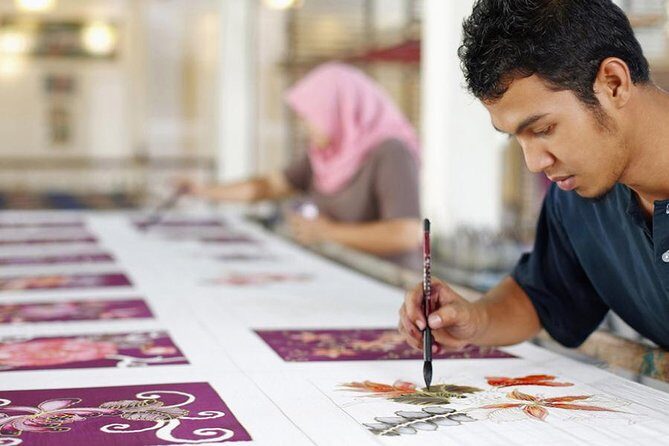
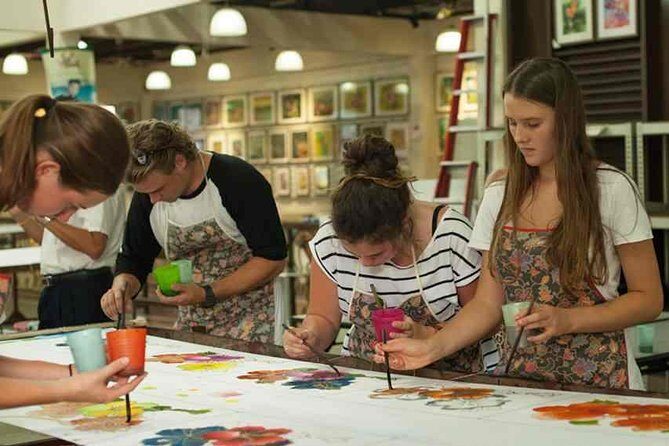
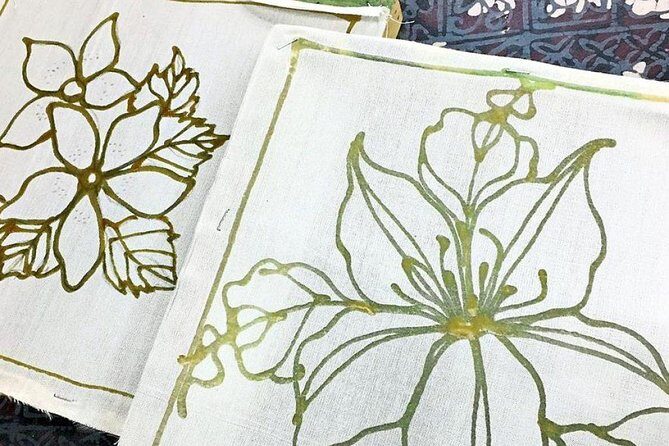
After Batu Caves, you’ll head to a batik stop where you get a guided introduction to how batik is made. Malaysian batik is especially associated with the east coast, and the common motifs include leaves and flowers—so if you’re shopping, you’ll understand the pattern logic instead of buying by instinct.
Here’s the practical catch: on the day, traffic can change which factory outlet you visit. The tour notes that you’ll go to either Chong Batik or Jadi Batek, and you’ll only visit one place. That matters for planning because you’ll want to set expectations: you’re not getting two separate shopping-and-making experiences. You’re getting one focused one.
If you end up at East Coast Batik Sdn Bhd (Batik CHONG), the structure is a guided factory visit that’s only about 15 minutes. That’s short, but it’s enough to understand the basics of how batik comes together and to pick out a souvenir without feeling trapped in a long workshop.
If you end up at Jadi Batek, it’s described as a long-running batik and handicraft centre (since 1976) and a popular Kuala Lumpur shopping stop. You’ll see and shop for batik items that can range from dress-making lengths to ready-to-wear pieces like dresses, blouses, scarves, pareos, kaftans, and men’s shirts. There are also home items and wall hangings. If you want something you can actually use back home—table cloths, coasters, or wearable pieces—this is where you’ll likely feel the most practical value.
One more thing: the tour suggests you can bring back a piece of Malaysia’s hand-made batik. My advice is to decide your budget before you arrive, then compare sizes and fabric types quickly. Batik shopping can become a “just one more” problem fast, especially when you’re trying to finish within a tight 3 to 4 hour day.
Royal Selangor pewter: the live demo that makes it click
If you like seeing craft instead of just reading about it, the Royal Selangor Visitor Centre is the payoff stop. It walks you through the history of Royal Selangor’s pewter manufacturing and then gives you live demonstration moments that connect the story to real work.
The process is presented as a chain you can watch: casting, polishing, and assembling. You don’t have to guess how something becomes a finished product because you see it happen in real time.
There’s also a fun, photo-friendly element that helps the visit land emotionally, not just educationally. You can snap a photo with the world’s largest pewter tankard, and there’s an iconic display described as a version of the Petronas twin towers made from over 7,000 tankards. That detail matters because it explains why Royal Selangor is such a recognizable brand in this part of the world: the craft isn’t hiding behind glass.
This stop runs about 45 minutes, with museum exhibits plus live demo time. That duration is a sweet spot for most people. You get enough to look closely and still keep the day moving. If you’re traveling with kids, it’s one of the more “hands-on in spirit” craft stops because the transformations are visible.
The drive-by lessons: Gombak, Setapak, and why they matter

Not every moment on this tour is a front-door visit. You also get interpretive drive moments that help you connect Kuala Lumpur to the surrounding Selangor area.
You’ll pass through Gombak District, an administrative district in Selangor. The tour context includes that before 1974, Gombak was a town before it became a district, and it was home to settlements of early Minangkabau immigrants in the 1800s. You’ll also hear about old mosques that still stand, including Masjid Lama Batu 6 Gombak. Even if you’re only glimpsing things from the vehicle, those facts change how you look at what you see on the roadside.
The drive also includes Setapak. It’s described as a mukim in Gombak District with tin-mining and rubber-growing roots. The name story is explained too: in Malay, tapak means step, so Setapak is tied to the idea of one hundred steps and close proximity to Kuala Lumpur.
There’s even a note about Taman Ayer Panas, described as a pass-by Chinese village with a wooden house and linked to hot springs. Because it’s described as subject to the driver’s route, you should assume you may not get a full stop here. That’s still fine. The value is in the context: you start seeing the KL region as a connected set of neighborhoods and industries, not isolated photo spots.




Price and value: what you’re really paying for at $25

At about $25 per person, this tour price feels like a decent deal for a short KL outing—mainly because it includes several things that usually cost extra.
You’re paying for:
- Hotel pick-up and drop-off, which can otherwise eat time and money.
- An air-conditioned vehicle and an English-speaking driver.
- All taxes, fees, and handling charges included.
- The big entries are listed as free admissions for Batu Caves, the batik stop (15 minutes), and Royal Selangor Visitor Centre.
What you’re not getting: meals, snacks, and there’s no mention of included lunch. That’s where you need to be smart. If you go in hungry, you’ll feel it by the time you’re climbing stairs and shopping for souvenirs. If you eat beforehand and bring water, the short format works.
Also note the tour is marketed as good for small groups, with group discounts and a mobile ticket. That usually means fewer headaches at the start—especially if you’re trying to keep the day calm.
So for value, I’d frame it like this: if you want Batu Caves plus two craft/cultural stops without planning transport and ticket timing yourself, this is a cost-effective way to do it in half a day.
Practical tips that make a difference (and a couple warnings)
1) Plan your energy for Batu Caves. Even if you pace yourself, you’ll be climbing a lot of stairs. Wear shoes you can grip. If smart casual makes you think “dress shoes,” don’t. Comfort wins.
2) Bring water and a snack plan. Since meals and snacks are not included, you’ll have a better day if you arrive fueled. Think small snack, plus water.
3) Set souvenir expectations for batik. You’ll likely visit only one batik outlet based on traffic. Pick a target item type before you shop so you don’t get stuck comparing everything while time runs.
4) Respect the shrine environment. This is a Hindu shrine dedicated to Lord Murugan and central to Thaipusam. Even when it’s not festival season, treat it like a working place of worship. Dress appropriately and keep your voice low.
5) Double-check your belongings in the vehicle. One past experience note flagged that items left in the car can lead to added charges to return them. That’s not the kind of surprise you want on a short tour, so do a careful sweep when you leave.
Who this tour suits best
This is a strong match if you:
- Want a 3 to 4 hour KL activity that doesn’t require public transport.
- Care about seeing Batu Caves and getting context for why it matters.
- Enjoy craft culture more than pure museum time, especially with Royal Selangor’s live pewter demos.
- Prefer small group attention over large bus tours.
It may be less ideal if you:
- Need lots of time at one single stop. The batik stop is short by design.
- Hate stairs. You’ll be climbing at Batu Caves, and the route includes a significant step count.
Should you book this Batu Caves and batik plus pewter tour?
I’d book it if you’re looking for an efficient, guided taste of three classic Kuala Lumpur-area highlights: Batu Caves, batik, and pewter—wrapped in hotel pickup/drop-off and a small-group pace. The value is strongest when you want the convenience of transport and included admissions without spending your day coordinating everything.
I’d skip or rethink it if you’re mainly after a long, relaxed day or you know you can’t handle a big staircase climb. In that case, look for alternatives that either focus on one stop longer or reduce walking.
One last timing note: if your trip overlaps with Thaipusam, the tour is listed as closed for 3 days (the day before, during, and the day after festive). If your dates are flexible, planning around that will save you disappointment.
FAQ
How long is the Malaysia Countryside and Batucaves tour from Kuala Lumpur?
Plan on about 3 to 4 hours total.
Does the tour include hotel pick-up and drop-off?
Yes. Hotel pick-up and drop-off in Kuala Lumpur are included.
Are meals or snacks included?
No. Meals and other snacks are not included.
What’s included in the ticket price?
All taxes, fees, and handling charges are included, and admission tickets for the main stops are listed as free.
Is this tour affected by Thaipusam?
Yes. It is closed for 3 days on Thaipusam Festive (the day before, during, and the day after).
Can I get a full refund if I cancel?
Yes. You can cancel up to 24 hours in advance for a full refund. If you cancel less than 24 hours before the start time, you won’t receive a refund.