REVIEW · KUALA LUMPUR
Harmony & Cultural Night Tour
Book on Viator →Operated by Way to Kuala Lumpur · Bookable on Viator
Night in Kuala Lumpur tells a different story. This Harmony & Cultural Night Tour strings together temples, a mosque, Chinatown streets, and skyline photo time so you see how different communities share the same city after dark. I like that the big religious stops (including Sri Maha Mariamman Temple, Thean Hou Temple, and Masjid Jamek) are free to enter, which keeps your costs in check. I also like the way the route is timed for evening walking and easy navigation by car. One consideration: some parts may be drive-past rather than long stops, and you’ll need respectful clothing (no shorts or sleeveless) at the religious sites.
On the ground, the experience feels simple and practical: you get an air-conditioned vehicle, an English-speaking driver, and hotel pickup/drop-off (selected hotels within 5 km of KLCC). You’re paying mostly for transport plus a guided route through key neighborhoods—then you top it up with your own choices for snacks and any paid attractions (Chinatown and Petronas are listed as not included for admission). The tour runs about 3 to 4 hours, which is just enough time to see a lot without feeling like you’ve been shuffled around all night.
In This Review
- Key things that make this KL night tour work
- How Kuala Lumpur shows harmony after dark
- Sri Maha Mariamman Temple: incense, chants, and classic detail
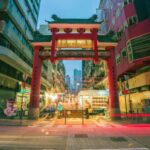
- Chinatown at night: streets to stroll, not a shopping sprint
- Thean Hou Temple: a high viewpoint and a Chinese sea goddess vibe
- Brickfields, Little India, and the temple corridor feeling
- The River of Life and Masjid Jamek: water, meeting points, and old walls
- Petronas Twin Towers at night: timed viewing, not guaranteed entry
- The driver experience is the real differentiator
- Price and value: what $38.09 buys you in real terms
- Timing, clothing rules, and the one thing that can change your plan
- Who should book this Harmony & Cultural night tour
- Should you book? My honest take
- FAQ
- How long is the Harmony & Cultural Night Tour?
- What’s included in the price?
- Are temple and mosque entrance fees included?
- Is food included on this tour?
- Which stops are part of the itinerary?
- Is the tour private?
- What should I wear for religious sites?
- Can I cancel for a refund?
Key things that make this KL night tour work
- Most temple/mosque entry is free, so your money goes to transport and time instead of tickets
- Pickup from KLCC-area hotels keeps the start easy
- A mix of faiths in one evening: Hindu, Chinese/sea goddess, Buddhist, and Islam
- Night photo focus, including time near the Petronas Twin Towers
- A good driver can steer traffic and timing, and the reviews highlight exactly that
- Respectful dress code matters for short-sleeve plans (religious sites enforce it)
How Kuala Lumpur shows harmony after dark
Kuala Lumpur after sunset is not just lights. It’s different neighborhoods speaking at the same volume. This tour is built around that idea: you move through iconic religious and cultural stops—then you tie it together with classic night-city sights like Chinatown streets and the Petronas area.
The big “value play” here is that you’re covering several major landmarks in a single 3 to 4 hour block. Instead of figuring out routes between far-apart neighborhoods, you’re getting a planned night route with an English-speaking driver and air-conditioned transport.
And yes, this is a private tour/activity for your group. That matters because it usually makes people more comfortable asking questions, adjusting photo stops, and moving at a pace that fits the group.
You can also read our reviews of more evening experiences in Kuala Lumpur
Sri Maha Mariamman Temple: incense, chants, and classic detail
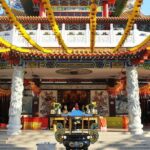
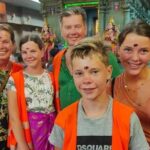
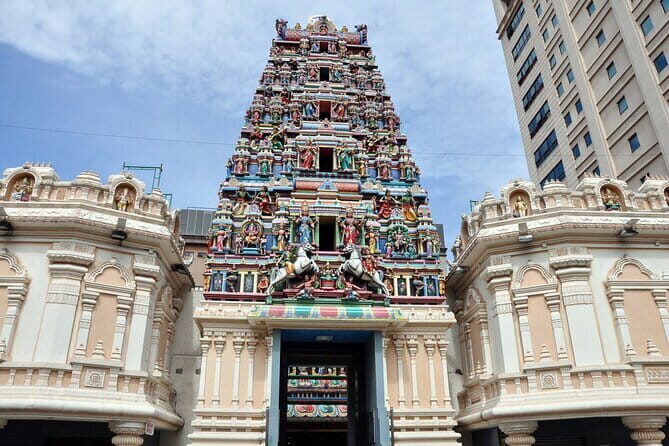
Your first major stop is Sri Maha Mariamman Temple, a well-known Hindu temple in Kuala Lumpur. The atmosphere is described in sensory terms for a reason: you’re not arriving at a museum-like stop. You’re stepping into a place where burning jasmine scent, chanting, and carved deities create a strong impression.
You get about 15 minutes and the admission ticket is listed as free. That time is short, so aim to be mentally ready: look first, then take photos only where it feels permitted, then move on. If you want one takeaway from this stop, it’s this: the temple is less about long walking and more about noticing the details quickly.
Practical tip: the tour notes that shorts and sleeveless aren’t allowed at religious places. Wear something that covers shoulders and knees so you don’t spend your arrival figuring out what to do.
Chinatown at night: streets to stroll, not a shopping sprint
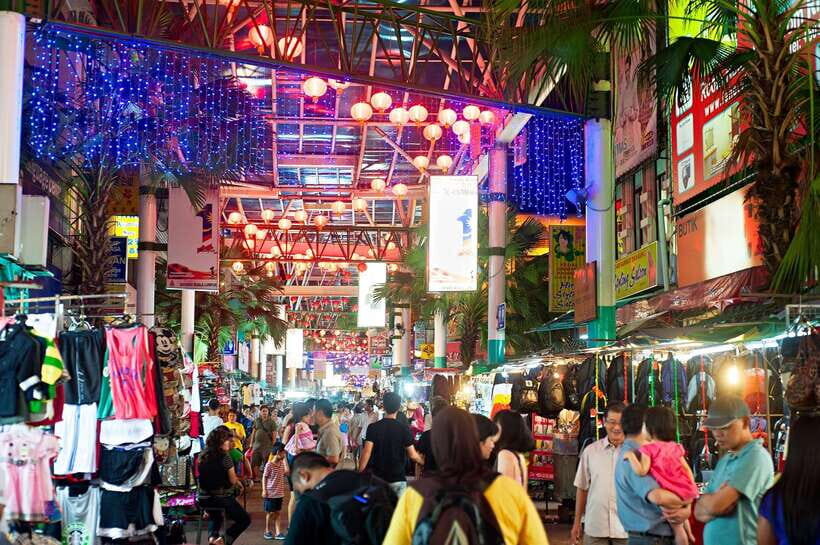
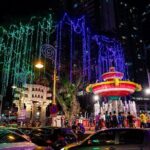
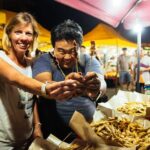
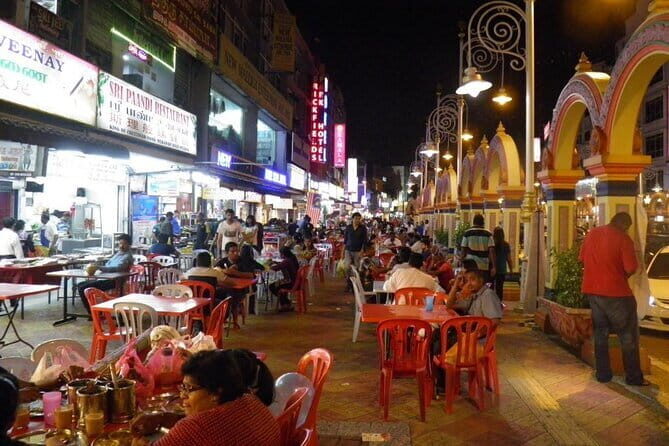
Next comes Chinatown, described as an open-air bazaar where locals bargain along the streets. You’ll get around 30 minutes here, and admission is not included (so think of it as walking time rather than a ticketed attraction).
What I like about a Chinatown stop on a night tour is timing. During the day, you can feel rushed because the city is hot and crowds are different. At night, streets come alive and you can actually slow down for smells, sounds, and small discoveries—like where people gather for quick bites.
That said, Chinatown can also be a trap if you treat it like a shopping checklist. Keep it light: browse, snack if you want, and use the rest of your energy for the religion-and-architecture stops that follow.
Thean Hou Temple: a high viewpoint and a Chinese sea goddess vibe
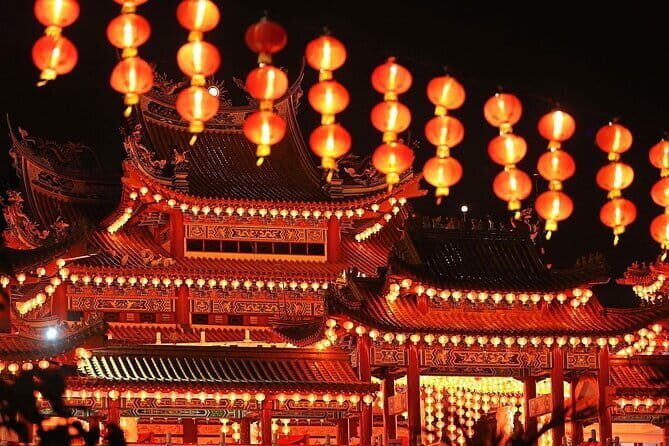
The tour continues to Thean Hou Temple, a six-tiered Chinese temple dedicated to the sea goddess Mazu. It’s located on land above the city, which helps explain why this stop can feel dramatic even within a limited visit.
You get about 30 minutes, and admission is listed as free. The temple’s “six-tier” design gives you lots of lines and levels for photos, but don’t let the camera run the show. In places like this, carvings and roof details are the payoff—if you spend five minutes looking carefully, the structure makes more sense.
Brickfields, Little India, and the temple corridor feeling
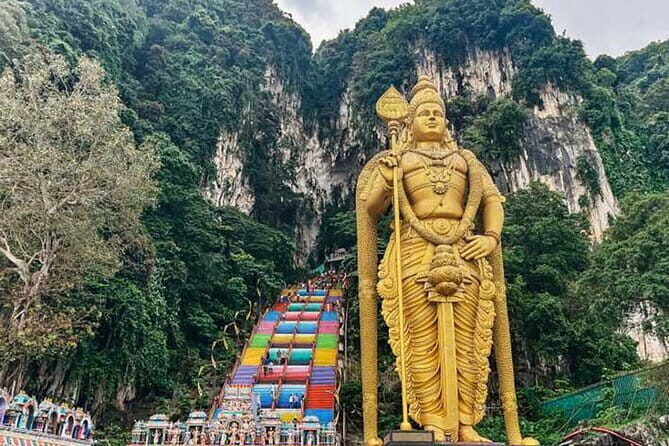
After Thean Hou, the route heads toward Brickfields, the neighborhood tied to Little India. The description here is more about the feel of the streets—textile shops, jewelry stores, and casual food spots—than a single big landmark.
The itinerary also names additional temple stops in this area:
- Sri Kandaswamy Kovil (a Hindu temple, described as over a century old)
- Buddhist Maha Vihara (a Buddhist temple with a festival connection)
Even though the exact minutes aren’t listed for those last two temple entries in the information you provided, the intent is clear: you’re building a “faith spectrum” picture in one neighborhood cluster. The practical benefit is that you don’t need to jump across the city to switch from one religious style to another.
Quick advice: if you’re sensitive to crowds, arrive with a calm pace. Brickfields-style streets can get busy, and the time you have is limited, so moving smoothly beats stopping every five steps.
The River of Life and Masjid Jamek: water, meeting points, and old walls
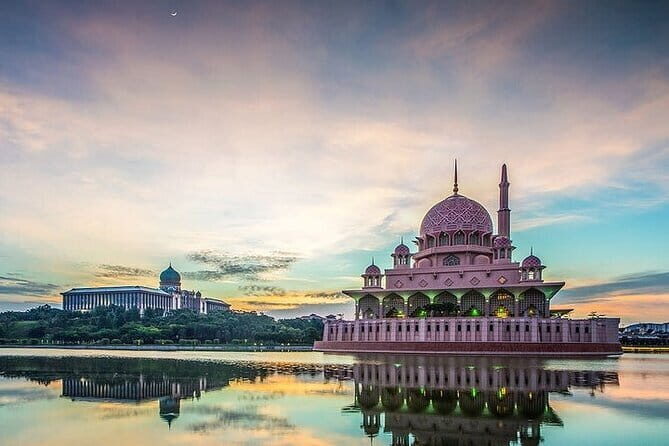
Then you shift toward the River of Life area, described as where the Gombak River joins the Klang River near Masjid Jamek. This is a short stop (about 10 minutes) and admission is free—and it’s worth it because it connects the city’s layout to real geography.
After that comes Masjid Jamek (Sultan Abdul Samad Jamek Mosque), listed as one of the oldest mosques in Kuala Lumpur. You get about 10 minutes here as well, with admission marked as free.
This pair of stops is smart for two reasons:
- You get a sense of how the rivers shape Kuala Lumpur’s growth.
- You see a major mosque in a location tied to that meeting of waterways.
If you only do one “quiet look” moment on the tour, I’d pick here. The setting tends to make it easier to notice architecture without feeling rushed.
Petronas Twin Towers at night: timed viewing, not guaranteed entry
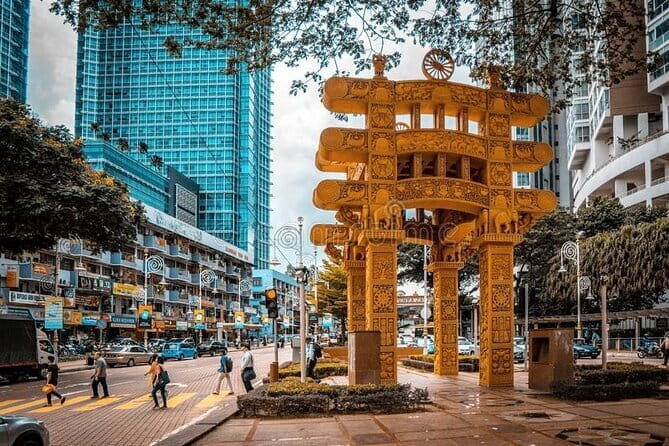
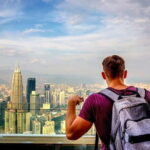
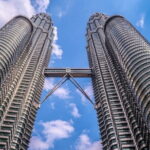
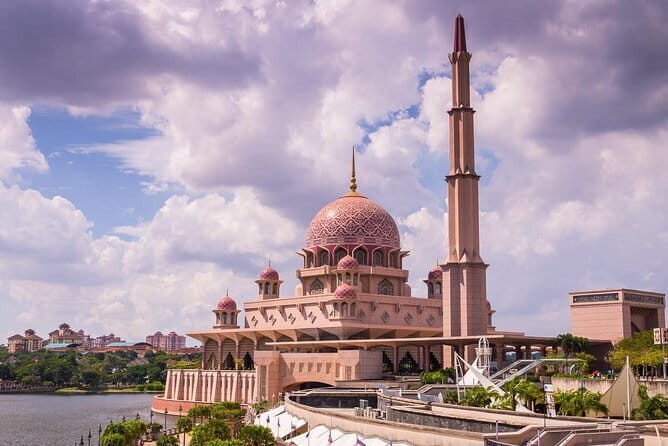
Near the end, the tour brings you to the Petronas Twin Towers area. You’re scheduled for about 15 minutes, and the admission ticket is listed as not included.
So what can you expect? Expect viewing time and photo opportunities around the towers area, not a full timed-entry skyscraper experience. If you want to go inside, you’d likely need separate planning and tickets—this tour won’t cover that.
Even without entry, Petronas at night is a reason to be in Kuala Lumpur. The towers are tall, symmetrical, and they photograph well from multiple angles. The key is to use your short window effectively: take one wide shot to capture the skyline, then move to a second angle for sharper perspective.
The driver experience is the real differentiator
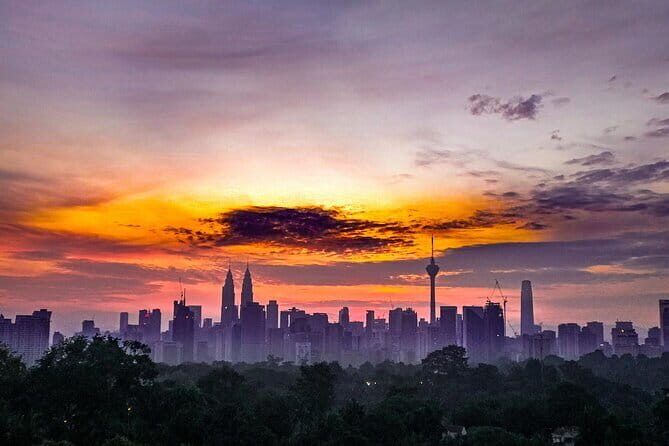
The best part of this tour isn’t just the list of places. It’s how smoothly they get you there and how much context you get while you’re walking and photographing.
In the reviews, two names came up: Aslam and Rayhan. Both were praised for being accommodating and for handling busy roads well—especially on nights when traffic can be a mess. One review specifically calls out the ability to maneuver to better picture locations even during a Friday evening rush.
That’s not a small detail. When you’re doing several stops in a short evening window, a driver who knows where to park, how to time turns, and how to position your group can mean the difference between half-decent photos and great ones. It can also mean you’re not stressed when something runs late.
Price and value: what $38.09 buys you in real terms
At $38.09 per person, the headline cost is easy to understand. The deeper value comes from what’s bundled:
Included items you’re paying for:
- English-speaking driver
- Air-conditioned vehicle
- Hotel pickup and drop-off (selected hotels within 5 km from KLCC)
- A private group setup (only your group participates)
You’re not paying for:
- Food and beverages
- Personal expenses
- Admission tickets at Chinatown and at the Petronas Twin Towers area
So the value question becomes: is it worth it to pay for transport and guiding through multiple neighborhoods at night? For most people, yes—because you’re covering several major stops without spending your evening figuring out transit, parking, and night navigation.
Also, because so many religious entries are free, your money stays focused on the core experience rather than ticket costs stacking up.
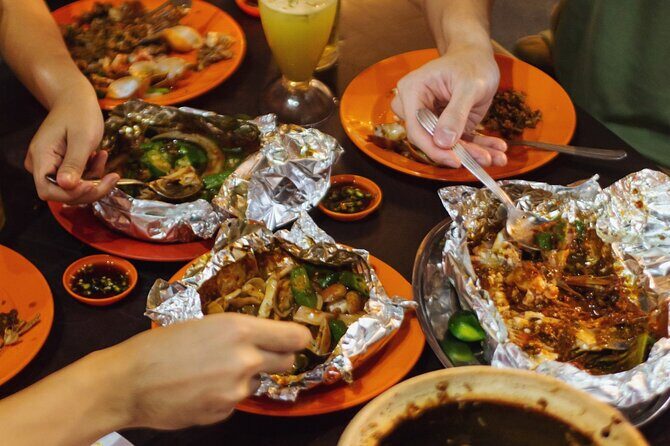
One more small note: the tour description mentions traditional food experience and a dinner stop idea at Seni Sattisorru, but food itself is not listed as included. That means you should treat meals as an on-your-own budget item even if dinner is on the route.
Timing, clothing rules, and the one thing that can change your plan
This is an evening route, so a few practical realities matter.
Religious dress code: the tour notes that shorts and sleeveless aren’t allowed in religious places. Pack an easy layer plan so you don’t scramble right at the entrance.
Traffic and conditions: the itinerary is described as subject to change due to traffic and weather. That’s normal in any city at night. The important part is that the tour adjusts and keeps the experience moving.
Drive-by sections: the overview explicitly notes that some places may be driven past. That’s another reason the driver quality matters—if you’re going to have quick passing moments, you want a guide who still sets expectations and helps you get the photos you want.
Who should book this Harmony & Cultural night tour
This tour is a strong match if you:
- Want a first-night introduction to Kuala Lumpur
- Enjoy architecture and religious sites, but don’t want to plan logistics across neighborhoods
- Like nighttime photography and want time around Petronas
- Prefer a vehicle and driver so the evening stays easy
It’s less ideal if you:
- Want a long, ticketed, in-depth attraction circuit (Petronas entry isn’t included)
- Hate short stops and would rather linger in one neighborhood all night
If you’re traveling as a small group and you want an efficient “see a lot, learn a bit” plan, this fits well.
Should you book? My honest take
Book it if you want a night-focused route that connects different faith communities in Kuala Lumpur and you value easy pickup, car comfort, and guided context. The “free entry” mix at multiple temples/mosques helps make the price feel fair, and the strongest reviews underline that the driver can truly make the experience run smoothly—especially with evening traffic and photo positioning.
Don’t book it if your main goal is climbing into major ticketed attractions, because Chinatown and Petronas admission aren’t included, and religious stops are time-limited by design. Also, if you hate being asked to dress respectfully at places of worship, skip this and choose an option that’s mostly exterior sightseeing.
FAQ
How long is the Harmony & Cultural Night Tour?
It runs about 3 to 4 hours (approx.).
What’s included in the price?
The tour includes an English-speaking driver, air-conditioned vehicle, and hotel pickup and drop-off (selected hotels within 5 km from KLCC).
Are temple and mosque entrance fees included?
For the places listed as free in the itinerary (like Sri Maha Mariamman Temple, Thean Hou Temple, and Masjid Jamek), entry is free. Chinatown and the Petronas Twin Towers are listed as not including admission tickets.
Is food included on this tour?
No. Food and beverages are not included, even though there’s a traditional food experience/dinner mentioned in the tour overview.
Which stops are part of the itinerary?
Key named stops include Sri Maha Mariamman Temple, Chinatown, Thean Hou Temple, the Brickfields area (Little India), Sri Kandaswamy Kovil, Buddhist Maha Vihara, the River of Life near Masjid Jamek, Petronas Twin Towers area, and Masjid Jamek.
Is the tour private?
Yes. It’s listed as private, and only your group participates.
What should I wear for religious sites?
Shorts and sleeveless clothing aren’t allowed at religious places, so plan clothing that covers appropriately.
Can I cancel for a refund?
Yes. You can cancel up to 24 hours in advance for a full refund.