REVIEW · KUALA LUMPUR
Half-Day Guided Rock Climbing in Batu Caves, Malaysia
Book on Viator →Operated by MIR Adventures · Bookable on Viator
Climbing near temples feels unreal, and that’s the point. This half-day guided rock climbing experience at Batu Caves turns the UNESCO site into your playground, with you scaling limestone walls using top-rope routes under a coach’s watch.
I love that you don’t need any climbing experience, and the teaching stays hands-on. I also like the way the route plan mixes fun with control: you’ll work on several beginner routes (15m to 30m), with breaks built in.
One real consideration is the hot and humid conditions. Plan for sweat, bring water and sun protection, and wear clothes you don’t mind getting roughed up a bit.
In This Review
- Key highlights at Batu Caves rock climbing
- Batu Caves looks different when your feet find the wall
- The half-day flow: gear up, safety briefing, climb, then temple drop-off
- Top-rope climbing for beginners: where confidence comes from
- Gear details that actually matter (helmet, harness, shoes, chalk)
- Your guide matters more than you think (and you get small-group attention)
- Price and value: what you’re really paying for
- What to bring for comfort: heat, nails, water, and snacks
- When this tour fits best (and when to think twice)
- Should you book this Batu Caves rock climbing tour?
- FAQ
- Do I need any rock climbing experience?
- How long is the climbing portion and the full tour?
- What climbing gear is provided?
- What should I wear and bring?
- Is there an age or size limit for kids?
- What happens if the weather is bad?
Key highlights at Batu Caves rock climbing

- No experience required: beginner routes are built for first-timers
- Top-rope guiding: you climb with belay support and expert instruction
- 4 routes, 15m to 30m: enough height to feel the adventure without going full risk
- Guides who coach clearly: instructors like Eddie, KY, and Teng are noted for being friendly and safety-minded
- Small max group size (10): a more personal feel and easier attention on technique
Batu Caves looks different when your feet find the wall
Batu Caves is famous for its huge limestone formations and temple views, but it’s hard to fully grasp the scale until you’re moving up the rock. On this guided climb, you’re not just passing by the scenery. You get a close-up look at the texture of the limestone, where handholds and footholds show up more than you’d expect for a “natural” rock face.
The big win here is perspective. From the ground, you see dramatic cliffs. Up close, you feel how steep sections twist your balance, and you learn how climbers use small holds—often with simple adjustments like where you place your feet first. That makes the experience feel more like a guided lesson than a random thrill ride.
Also, it’s a smart way to mix adventure with sightseeing. After climbing, you’ll be dropped near the Batu Caves temple area, so the morning still connects to the main destination instead of ending far away.
Two other practical points matter. First, this is guided top-rope climbing, not lead climbing. You’re learning technique and enjoying height with support. Second, the tour is built for a half-day slot, so it fits cleanly into a Kuala Lumpur itinerary without swallowing your whole day.
You can also read our reviews of more guided tours in Kuala Lumpur



The half-day flow: gear up, safety briefing, climb, then temple drop-off
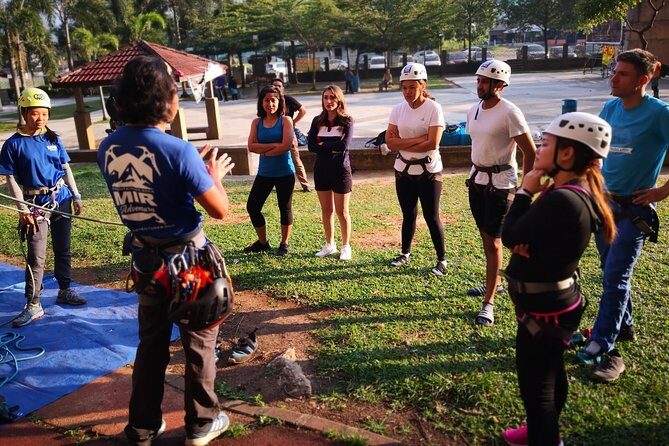
The schedule is tight and clear. You’ll meet at Gua Damai Extreme Park (Jalan Fairuz off Jalan Zamrut, Batu Caves area) to gear up and get a briefing around 08:30.
Then you’ll get a safety and climbing briefing at 09:00. This is where you learn how the system works and what the guide expects from you—especially how you’ll be belayed and how to communicate on the wall. If you’re the nervous type, this part helps more than you’d think. Knowing what’s coming usually lowers the mental noise so you can focus on the holds.
Around 11:00, the climbing starts on top-rope. The plan is four beginner routes, with heights roughly 15m to 30m each, and rest breaks between routes. That rest isn’t just downtime—it’s when you reset your grip, catch your breath, and let your arms stop feeling like they’re auditioning for a workout video.
By about 11:30, you’re dropped at the Batu Caves temple area. So you still get to enjoy the broader site after your climb, rather than racing the clock to squeeze it in later.
Top-rope climbing for beginners: where confidence comes from
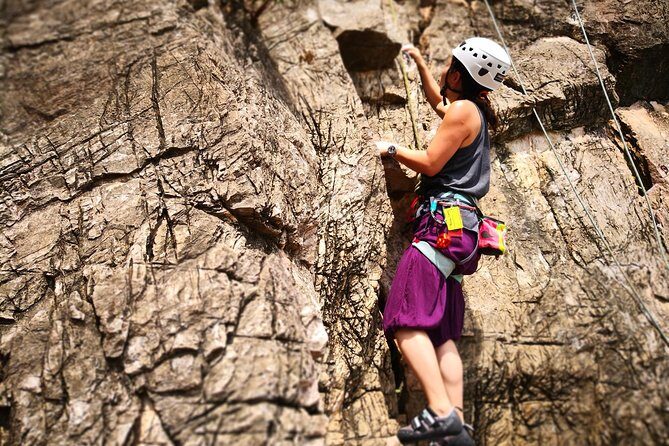
This tour is designed for first-timers, and it shows in how the climbing is set up. With top-rope guiding, you’re not left alone on the wall. The coach stays involved, and the belay system supports you as you learn movement and balance.
Expect to climb multiple routes rather than doing one long test. That format is great for beginners because it lets you build comfort step by step. You’ll try different sections, discover what kind of grip works for your hands, and learn how to trust your feet more than your arms. Many new climbers think the goal is to muscle up. A good top-rope lesson turns that into placing, shifting, and staying calm.
The guide approach also matters. Reviews and tour info point to instructors who are friendly and attentive—people like Eddie, KY, and Teng come up for clear English and encouraging coaching. Even if you’re anxious, you’ll typically get reassurance plus specific instruction, like how to hold a position longer or how to plan your next move instead of guessing.
That said, it’s not pretend-easy. The walls are real, and the height is real. A beginner route at 20m can feel intense if you’re afraid of falling or if your hands run out of strength quickly. The best mindset is to treat it as skill-building. The goal is to learn safely and have fun, not to crush every hold like you’re training for a competition.
Gear details that actually matter (helmet, harness, shoes, chalk)
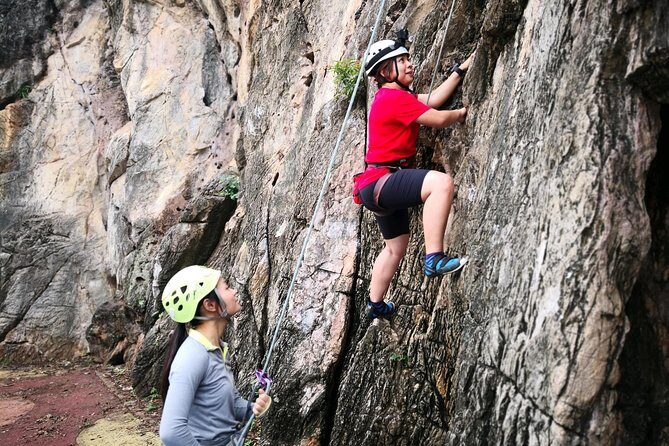
You don’t need to bring climbing gear. The experience includes certified equipment: helmet, harness, climbing shoes, chalk bag, ropes, a belay device, and carabiners. That’s a big value point. Good fit and proper gear make the difference between feeling secure and feeling uncomfortable.
Still, there are a few body and prep rules you should take seriously:
- Waist size limit: 110cm for harness fitting
- Trim fingers and toes nails short so you don’t get snagged or stressed on the rock
- Wear sporty attire and shoes you can move in
- Bring at least 1L of water plus snacks or energy food
Climbing shoes are included, but the tour guidelines also say wear something like sandals or shoes. So you’ll probably want footwear for the walk in and out, and then you’ll switch into your provided climbing shoes on-site.
You’ll also want a plan for comfort after. The day can be hot and humid, and you’ll likely be sweaty. Bring a spare of clothes for changing if you don’t want to spend the rest of your day damp and uncomfortable. It’s the kind of small detail that makes the whole trip feel smoother.
One more practical tip: bring insect repellent and sun protection (sunglasses, lotion, cap). Outdoors plus limestone plus midday sun can add up fast.
Your guide matters more than you think (and you get small-group attention)
This isn’t a giant crowd day. The tour has a maximum of 10 travelers, which helps keep the coaching more direct. And the experience is described as private-style with a private instructor feel, meaning you’re guided rather than just handed a helmet and pointed at the wall.
What makes that important is how climbing instruction works in practice. The right fix can happen in seconds: a small correction to your foot placement, a reminder to keep your body tension, or encouragement to try a safer sequence rather than forcing a hard move. In a big group, that kind of micro-coaching is harder. In a small group with attention, you get quicker feedback.
The language and communication piece also comes up in reviews: guides including Eddie and KY are noted for speaking great English and giving clear updates (WhatsApp communication is mentioned). That matters if you’re traveling from far away and want to avoid guessing what’s happening at each stage.
So if you like structure—safety brief, then step-by-step route climbing—this setup fits well. If you’re the independent thrill seeker who wants to freestyle without a lot of instruction, you might find it a bit guided. But even then, the route design and top-rope system make the coaching part of the safety value.
You can also read our reviews of more tours and experiences in Kuala Lumpur






Price and value: what you’re really paying for
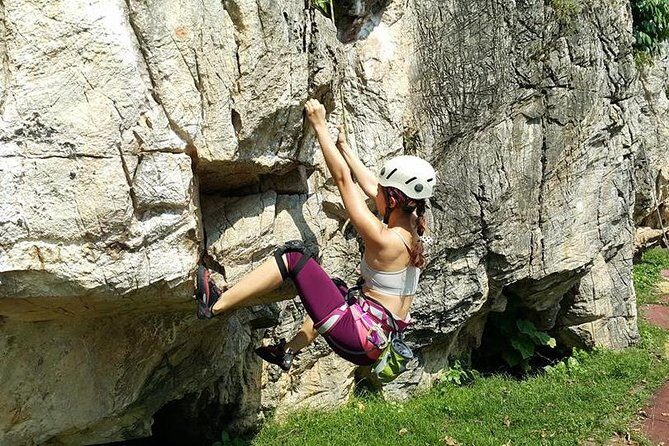
At $40 per person, this half-day climbing option isn’t trying to compete with bargain entertainment. You’re paying for several tangible things:
- A professional guide and safety supervision
- Certified gear (helmet, harness, shoes, ropes, belay gear)
- A structured climbing plan: four beginner routes with rest breaks
- A setup that works for different comfort levels, without you needing to own anything or know anything upfront
If you’re already in Kuala Lumpur and want an activity that feels active but not complicated, that’s where the value lands. You’re getting a full morning of guided adventure plus a drop-off near the Batu Caves temple, which lets you keep your sightseeing momentum.
Group discounts are mentioned too, which can make it even better if you’re traveling with someone. And a mobile ticket is useful when you’re juggling plans and time.
One caution on value: this is weather-dependent. The tour notes that it requires good weather. If it gets canceled due to poor weather, you’ll be offered a different date or a full refund. That’s normal for outdoor climbing, but it’s why you should avoid booking this as your only Batu Caves plan.
What to bring for comfort: heat, nails, water, and snacks
Batu Caves can be sweaty. The tour’s own guidance hits this directly: wear sporty attire, expect hot and humid weather, and plan to bring at least 1L of water.
I’d treat your packing list like a mini survival kit for the morning:
- Water (minimum 1L)
- Snacks/energy food so you don’t crash between routes
- Insect repellent
- Sun protection: cap, lotion, sunglasses
- Spare clothes for afterward
- Clothing that’s not too restrictive (shorts are fine, but long sport pants are recommended)
Also pay attention to the small body prep detail: keep your nails short. It’s not a random instruction. Climbing gear and holds can cause stress when nails are long, and short nails help you grip without snagging.
And don’t underestimate footwear for the meetup and approach. The tour mentions sandals or shoes, but choose what’s practical on uneven surfaces. You’ll want something that won’t slide on the walk and won’t slow you down when it’s time to gear up.
When this tour fits best (and when to think twice)
This experience is a strong match if you want a real adventure near a major landmark, but you don’t want the pressure of advanced climbing. It’s also good if you’re traveling with friends who have mixed experience levels, because the route plan is built for beginners while still offering a chance to challenge yourself.
It’s recommended for people with moderate physical fitness. That means you don’t need to be an athlete, but you should be able to handle short bursts of climbing effort and stand/walk during the morning flow.
Family fit is addressed too. It’s available for children over 8 years old, and there’s the waist size limit (110cm) for harness fitting. So check those details before you decide.
Thinking twice? If you have a strong fear of heights, outdoor climbing can still feel daunting even with top-rope safety. If you’re nursing an injury, you should also be honest about it in your own decision-making, because you’ll be strapped into a harness and using your hands and feet for movement. The tour emphasizes safety, but it can’t remove every physical demand of climbing.
Should you book this Batu Caves rock climbing tour?
If you want to experience Batu Caves from a totally different angle, this is a smart yes. The top-rope setup makes it beginner-friendly, the small group size helps you get real attention, and the included certified gear saves you from hassle and extra cost. You also still get a temple-area drop-off, so the morning ties back to the place instead of feeling like a detour.
I’d book it if:
- you’re curious about climbing and want guided support
- you like active mornings with clear structure
- you want a memorable Batu Caves moment beyond photos from the ground
I’d pause if:
- you’re worried about outdoor heat and humidity (bring water and plan clothing)
- you need a fully gear-free, super casual activity
- your schedule is tight enough that weather cancellation would ruin your plans
Bottom line: for many visitors, this hits a sweet spot—real height, real instruction, and a strong sense of safety, all beside one of Malaysia’s most iconic sites.
FAQ
Do I need any rock climbing experience?
No. The tour is designed for beginners and focuses on guided top-rope climbing on beginner routes.
How long is the climbing portion and the full tour?
The activity is about 3 hours total. It includes gearing up and briefings, and then climbing multiple beginner routes before the temple-area drop-off.
What climbing gear is provided?
You’ll be provided with certified equipment including a helmet, harness, rock climbing shoes, chalk bag, ropes, a belay device, and carabiners. A professional guide is included, along with a basic first aid kit.
What should I wear and bring?
Wear sporty clothing, and plan for hot and humid weather. Bring sun protection, insect repellent, and at least 1L of water, plus snacks/energy food. The tour also recommends a spare set of clothes for changing.
Is there an age or size limit for kids?
Yes. The tour is available for children over 8 years old. There is also a waist size limit of 110cm for harness fitting.
What happens if the weather is bad?
This experience requires good weather. If it’s canceled due to poor weather, you’ll be offered a different date or a full refund. You can also cancel for a full refund up to 24 hours before the experience starts.