REVIEW · KUALA LUMPUR
Half Day Cultural And Batu Caves Tour in Kuala Lumpur
Book on Viator →Operated by Travelvago · Bookable on Viator
Stairs to myths, then temples and mosques. In just 4 hours, this Kuala Lumpur cultural tour strings together major religious sights—starting at Batu Caves and finishing in the city’s street-food neighborhoods—so you get a real feel for how many communities share this place. It runs in an air-conditioned vehicle with a small group size, plus hotel pickup inside Kuala Lumpur city.
Two things I really like here: the mix of faiths (Hindu, Chinese, and Muslim sites) and the way your guide turns landmarks into context instead of checkboxes. In the best cases, guides such as Jacob, Sathesh, Thiru, and Janar keep the day moving with clear explanations and a friendly, professional style.
One thing to plan around: the schedule can change. On Fridays, you won’t visit the National Mosque, and during major dates (like Chinese New Year) a stop such as Thean Hou Temple can be affected, while Batu Caves may also feel crowded.
In This Review
- Key takeaways before you go
- A half-day cultural loop that actually makes sense
- Batu Caves: your legs, your photos, and the story behind Lord Murugan
- Thean Hou Temple: a 6-tier pagoda with a strong Chinese-Hainanese identity
- National Mosque (Masjid Negara): the architecture, the gardens, and the Friday rule
- Petaling Street and Little India Brickfields: where the tour turns into real KL texture
- Price and value: what $40 buys you in a short window
- Getting the timing right: crowds, closures, and how your guide can save the day
- Comfort and readiness: what to bring (and what to skip)
- Who this tour is perfect for
- Who might want a different plan
- Should you book this half-day Batu Caves and KL cultural tour?
- FAQ
- What’s the duration of the tour?
- Does the tour include hotel pickup and drop-off?
- Is admission included for the main sites?
- Do I get to visit the National Mosque on Friday?
- Is food and drinks included?
- How big is the group?
Key takeaways before you go
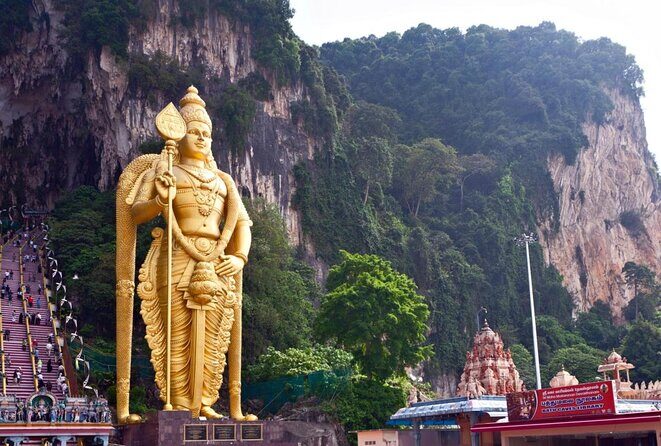
- 272 steps at Batu Caves: it’s the main event, and it sets the tone for the whole route
- Three major religious stops in one loop: Batu Caves, Thean Hou Temple, and Masjid Negara (with a Friday exception)
- Free admission at the religious sites: Batu Caves, Thean Hou Temple, and the National Mosque are covered
- City neighborhoods included: Petaling Street and Little India Brickfields add texture beyond monuments
- Small group (max 15) with an English-speaking driver/guide in an air-conditioned vehicle
- Guide matters: I’d lean into this tour for the explanations, with guides like Jacob, Sathesh, Thiru, and Janar highlighted in feedback
A half-day cultural loop that actually makes sense
Kuala Lumpur can feel like a blur if you try to self-drive between sights. This tour is built for the opposite: short hops between places that each explain a different side of Malaysian culture. You start with one of the country’s most important Hindu pilgrimage sites, then shift gears to Chinese temple architecture, and finish at a landmark mosque and busy market areas.
What makes this format valuable is the pacing. Four hours is long enough to see the big things without the “one hour in each place” fatigue. It’s also a smart choice if you’re only in KL for a day or two and want a focused route rather than a random walk across town.
The vehicle ride also matters. You’re not stuck in hot traffic with no plan—this runs in an air-conditioned vehicle, with hotel pickup and drop-off only within Kuala Lumpur city.
You can also read our reviews of more tours and experiences in Kuala Lumpur.

Batu Caves: your legs, your photos, and the story behind Lord Murugan
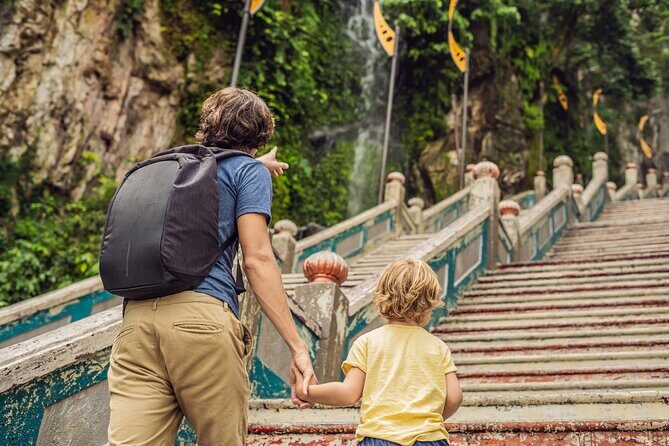
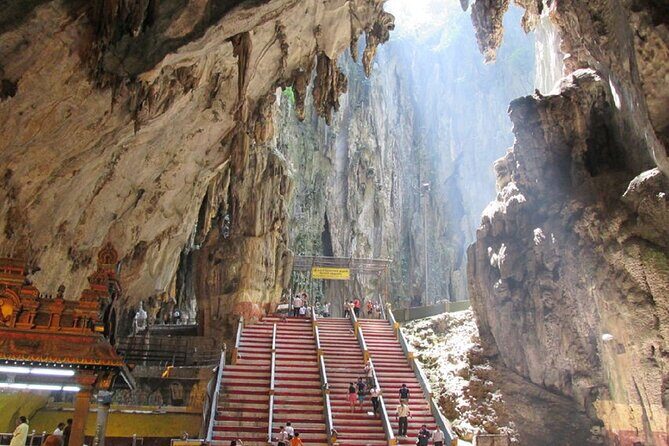
Batu Caves is the anchor stop, and the day starts by rolling in from KL with a 30-minute scenic drive. Once you arrive, you’re in a place that feels active year-round, with Hindu shrines and religious deities that shape the vibe immediately.
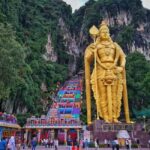
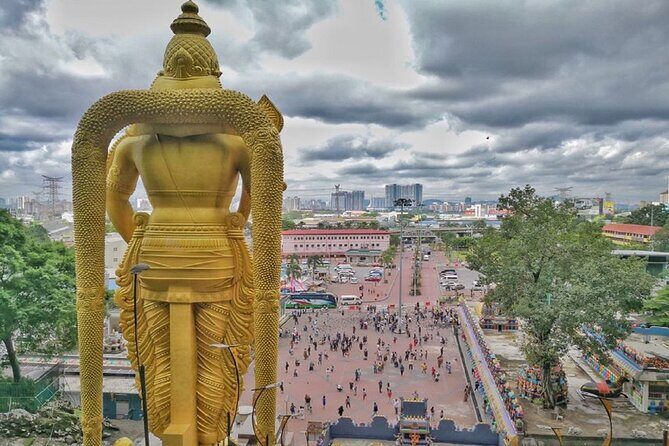
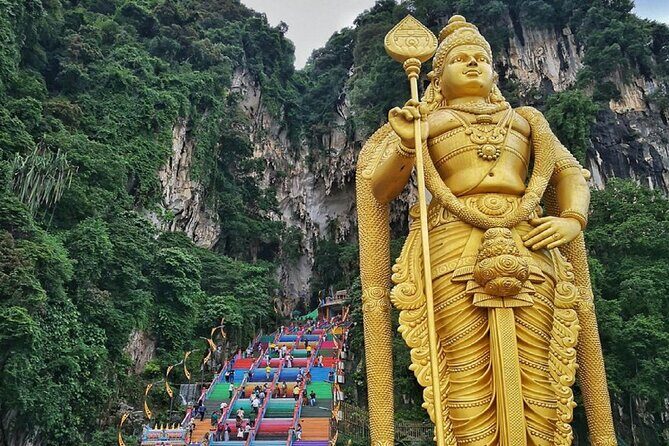
Then comes the headline: the climb. You’ll face 272 steps up to the golden statue of Lord Murugan, and that climb is part spiritual ritual, part physical filter. If your knees aren’t happy with stairs, think about pacing yourself and giving your breath a moment—this is not a “walk it off in sneakers” situation.
What I like about having a guide here is the way the site turns into more than a viewpoint. Your guide explains the Hindu roots of the nation, and that context changes how you read what you see. Instead of staring at details you don’t understand, you get a framework for why this place matters to pilgrims, not just tourists.
A quick practical note: Batu Caves can get overcrowded with worshipers. That doesn’t ruin the experience, but it can slow you down on the stairs and around key areas. If you’re sensitive to crowds, I’d mentally budget extra time for waiting and moving carefully.
What you’ll feel during the stop: the mix of reverence and everyday energy. Even if you’re not visiting as a devotee, you’ll notice how people treat the climb like something meaningful—not just sightseeing.
Thean Hou Temple: a 6-tier pagoda with a strong Chinese-Hainanese identity
Next you shift upward—in a different way. Thean Hou Temple sits on Robson Heights and is described as a six-tiered pagoda temple, completed in 1987 and officially opened in 1989. You’re not just visiting a pretty structure here; the temple is tied to community identity, built by the Hainanese community of Kuala Lumpur.
The tour also connects this stop to a specific devotion: it’s dedicated to the goddess Ti (as named in the tour description). That matters because Chinese temple architecture can look symbolic and layered, and without guidance it’s easy to miss what’s intentional.
The stop length is short—about 30 minutes—so your time here is best used for two things. First, look for the tiered design and the way the temple sits into the hillside. Second, pay attention to the guide’s explanation of what the temple represents to the community who built it.
Also, this is one place where your day can shift. If the timing overlaps with Chinese New Year celebrations, the temple may be closed or partially impacted (there’s a real example of closure for Chinese New Year from feedback). If that happens, don’t be surprised if your guide adjusts the flow to keep the tour on track.
National Mosque (Masjid Negara): the architecture, the gardens, and the Friday rule
After Thean Hou, the tour heads to the National Mosque, Masjid Negara, set in 13 acres of gardens. You’ll spend around 30 minutes here, and the point isn’t just to see the building—it’s to notice how the architects approached it as a symbol of aspiration, with design referenced from the late 1950s.
This stop offers a different kind of cultural reading. Where Batu Caves is vivid and vertical with stairs, and Thean Hou is pagoda-style and community-built, the National Mosque is about large-scale design, open space, and the way gardens frame a major landmark.
There’s one important planning detail: on Friday, you’re not allowed to visit the National Mosque, so the tour will skip it. If Friday is the only day you can do this tour, you should choose based on the knowledge that your route will change.
Petaling Street and Little India Brickfields: where the tour turns into real KL texture
The route doesn’t end at religious sites. It continues to street-level Kuala Lumpur, and that’s where this tour earns points for practicality.
First is Petaling Street Market in Chinatown for about 30 minutes. You’ll see a dense mix of restaurants and food stalls run by Chinese, Indian, Malay, and Bangladeshi traders. The food-focused walk is designed for you to watch how people work and how a neighborhood becomes a shared living space.
Then you get Little India in Brickfields, also around 30 minutes. This area is described as a maze of textile shops and jewelry stores, with low-key restaurants serving dishes like dosa pancakes and banana-leaf curries. Near KL Sentral you’ll also find part of Little India’s shopping energy, so the area feels like a shopping + food + culture mix, not a single photo spot.
Here’s the key: the tour does not include food and drinks. That’s not a downside if you like choosing what you eat, when you eat. It’s a plus because you’re free to sample light snacks or skip food if your stomach wants calm.
If you’re the type who prefers one reliable meal over random sampling, you’ll still be fine—you can use these neighborhood stops to pick where to eat after the tour ends.

Price and value: what $40 buys you in a short window
At $40 per person for about 4 hours, the value comes from what’s included, not from what’s added on later.
You’re getting:
- Air-conditioned transport for the whole loop
- English-speaking driver/guide
- Hotel pickup and drop-off within Kuala Lumpur city
- Admission tickets free for Batu Caves, Thean Hou Temple, and the National Mosque
- A mobile ticket (easy to handle on the day)
- Taxes and service charges included
Where this price starts to make sense is when you compare it to the real cost of cobbling together transport, entry fees, and a guided connection between sites. This tour gives you a plan and keeps you from losing time figuring out how to move across KL.
Max group size is 15 travelers, which usually helps keep things comfortable and focused. You won’t feel like you’re stuck with a giant crowd in the vehicle, and you’re more likely to get personal attention.
Also, the reviews highlight how much the guide can lift the experience. People mention professionalism and responsiveness, and names like Jacob and Thiru show up in feedback for turning locations into something you can actually understand.
Getting the timing right: crowds, closures, and how your guide can save the day
This is one of those tours where the route is solid, but real-world timing can vary.
Batu Caves is the main variable. It can be crowded with worshipers, and that can slow your stair climb and reduce how leisurely you feel during the stop. If you get stressed in crowds, plan to take it slow and keep expectations flexible.
Thean Hou Temple is another variable. There’s evidence of closures during celebrations like Chinese New Year. If that happens, your best bet is to trust the guide to adjust what you can see and keep the overall tour experience intact.
Friday is the cleanest rule. Since you can’t visit the National Mosque on Friday, your itinerary effectively reshapes. Before you book, double-check your day of travel so you’re not surprised by missing that particular stop.
The good news: the best guides named in feedback are described as attentive and willing to adjust to what people want. If you’re booking for the cultural context, that matters more than squeezing in one more stop.
Comfort and readiness: what to bring (and what to skip)
The tour is designed to be doable for most people (“most travelers can participate”), but the Batu Caves steps are non-negotiable. If you wear shoes that feel good on stairs, you’ll enjoy the climb more.
Because the tour doesn’t include food or drinks, you should plan your hydration and snacks around your own schedule. This matters especially in Kuala Lumpur’s warm conditions, since you’ll be outdoors during the climb and moving through market neighborhoods.
Also remember that you’ll be switching between religious sites. Even if you don’t have strict expectations, you’ll do better if you dress respectfully and comfortably for walking.
If you’re thinking about accessibility, consider that you’re climbing 272 steps. The rest of the itinerary is simpler on foot, but this is the one physical hurdle that shapes who this tour fits best.
Who this tour is perfect for
This is a strong match if you:
- Want a half-day cultural plan that doesn’t require navigation skills or transfers
- Like learning why a place matters, not just taking pictures
- Prefer small-group pacing (max 15) with an English-speaking guide
- Are short on time and want multiple major KL landmarks in one route
It’s also a good choice if you’re traveling with people who have different interests. Some will love the stairs and Hindu shrines at Batu Caves. Others will enjoy the architecture and gardens of the National Mosque. Then you all share the fun of street neighborhoods—Petaling Street and Little India—where the city feels like it’s doing its daily thing.
Who might want a different plan
I’d consider skipping or choosing a different style of tour if you:
- Can’t handle stair-heavy stops like Batu Caves
- Strongly prefer markets only (because the religious sites take most of the time)
- Are traveling on Friday and specifically want the National Mosque as a must-see
And if you get bothered by crowding, know that Batu Caves can get busy. This tour can still work, but you’ll want patience on the stairs.
Should you book this half-day Batu Caves and KL cultural tour?
Yes, if you want a compact route that teaches you what you’re looking at. The biggest win for me is the structure: Batu Caves first, then Thean Hou Temple, then the National Mosque (unless it’s Friday), and finally the street neighborhoods that show how KL feels in real life.
Book it if you like guided storytelling and you value free admission at major sites. With the included air-conditioned transport and pickup within Kuala Lumpur city, you’re buying time and clarity, not just transportation.
Pause before you book if your day is Friday (National Mosque won’t be included) or if you strongly dislike crowds and stairs. Also, keep flexibility in mind for Chinese New Year timing, since at least one example shows Thean Hou Temple can be closed during those celebrations.
If your schedule allows, this is the kind of half-day that makes your longer KL trip easier. You’ll leave with a clearer sense of the city’s religious and neighborhood geography—and that makes everything you do afterward feel more connected.
FAQ
What’s the duration of the tour?
The tour runs for about 4 hours.
Does the tour include hotel pickup and drop-off?
Yes, hotel pickup and drop-off are included but only within Kuala Lumpur city.
Is admission included for the main sites?
Yes. Admission is free for Batu Caves, Thean Hou Temple, and the National Mosque.
Do I get to visit the National Mosque on Friday?
No. On Friday, you are not allowed to visit the National Mosque, so the tour will not include that stop on that day.
Is food and drinks included?
No. Food and drinks are not included.
How big is the group?
The tour has a maximum of 15 travelers.