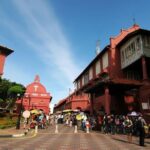
KL in one day, done right. This private full-day route strings together Batu Caves with Kuala Lumpur’s skyline icons, neighborhood temples, and major city monuments, guided by an English-speaking driver (people often mention guides like Geva or Bishnu).
I love the real sightseeing time built into the schedule. You get the chance to pause for photos and walking breaks at places like the National Mosque and Chinatown’s Petaling Street, and the day is paced so families can keep up—past groups praised drivers like Shamsor for smooth, confident navigation.
One possible drawback is planning around extra costs: Petronas Twin Towers and KL Tower tickets aren’t included, and a couple stops are more retail/gallery-style than pure sightseeing.
In This Review
- Key things to know before you go
- A private KL “greatest hits” day that actually works
- Pickup and pace: the value of a driver who gets you there
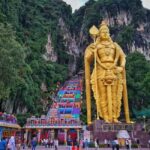
- Batu Caves limestone caves and Hindu shrines
- Geneve watch stop: a quick gallery that fits the timeline
- Batik CHONG: learning why batik is more than cloth
- Petronas Twin Towers: the skyline icon you’ll plan around
- KL Tower: views and a skyline photo plan
- Royal Selangor Visitor Centre: pewter craft in a modern setting
- Istana Negara and the National Monument in one big picture day
- Merdeka Square, Parliament, and colonial architecture at Sultan Abdul Samad
- Mosques: National Mosque (Masjid Negara) and Jamek Mosque by the river
- Central Market and old Kuala Lumpur streets
- Chinatown’s Petaling Street and Sri Maha Mariamman Temple
- Little India Brickfields: color, temples, and food culture
- Beryl’s Chocolate Kingdom and the sweet finish
- Price and tickets: what you’re paying for (and what you still pay for)
- What to bring so the day feels comfortable
- Who this tour suits best
- Should you book this Full Day Kuala Lumpur 23 Attractions Tour?
Key things to know before you go
- Batu Caves is the best way to start: iconic limestone caves with free admission time to climb and explore.
- Petronas vs KL Tower has a smart backup plan: one guide’s tip was that KL Tower can be cheaper and easier if you want skyline photos without as much waiting.
- Royal Selangor pewter is more than a photo stop: you can experience the craft and learn how pewter is made.
- You’ll hit multiple faith landmarks in one loop: National Mosque, Jamek Mosque, and Hindu temples without backtracking.
- Chinatown and Little India are paired well: Petaling Street and Brickfields are close enough to feel like one cultural day, not two separate errands.
- Hotel pickup makes the day feel easy: air-conditioned transport and a driver who handles traffic so you can focus on sights.
A private KL “greatest hits” day that actually works
This tour is designed for people who want major Kuala Lumpur sights without turning the day into a stressful city-chess game. I like that it’s private, so you’re not stuck moving at the pace of strangers. You’re also in an air-conditioned car for the long hops, which matters when the weather is warm and sticky.
A big part of the appeal is how the route connects themes. You start with Batu Caves, then shift into the modern skyline, and later you move through colonial-era streets, government grounds, mosques, and neighborhood markets. It’s not just a checklist. It’s one day that shows how Kuala Lumpur stacks modern Malaysia next to older traditions.
You can also read our reviews of more city tours in Kuala Lumpur
Pickup and pace: the value of a driver who gets you there
Hotel pickup and drop-off is included, which immediately changes the feel of the day. Instead of worrying about transit timing or where to find the next bus, you can focus on the plan and ask your driver questions as you ride.
The tour is about 7 to 8 hours, which is a sweet spot for first-timers. It gives you time to walk in key places (like temples and markets) while still keeping enough seat time between stops to avoid burnout—especially helpful for seniors and kids.
The driver experience also matters. Multiple past groups singled out drivers by name—Shamsor, Salman, Sadick, and Aslam—often praising how they explained details and navigated efficiently. Even when you don’t go with a separate licensed guide, the English-speaking driver approach can keep the day from feeling like you’re just being dropped off.
Batu Caves limestone caves and Hindu shrines
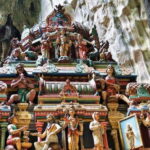
Starting at Batu Caves is a strong choice. The limestone outcrop north of the city is famous for a reason: dramatic scenery, big Hindu shrines, and that unmistakable “this is bigger than a quick stop” energy.
You get about 45 minutes on-site, and the admission ticket for this stop is free. That timing is useful. It gives you a chance to climb the steps, take photos, and still come back down before you’re tempted to rush.
A practical thought: Batu Caves is active and can be sunny at the top, so wear shoes with grip and bring water. If you’re traveling with kids or anyone who needs slower pacing, tell the driver early—you can still enjoy the caves without racing.
Geneve watch stop: a quick gallery that fits the timeline
Next you visit Geneve Timepiece Sdn Bhd, a timepiece wholesaler/retailer area associated with watch distribution and networks. You’re there for about 30 minutes, and the admission is included.
This isn’t a “museum with a thousand artifacts” kind of stop. It’s more of a showroom-style experience. The upside is timing: it breaks up the morning drive with a cool, indoor reset.
If you’re not interested in watches, you’ll still likely find it interesting as a slice of how Malaysia handles retail and distribution. Just know it’s not the headline draw like the next outdoor landmarks.
Batik CHONG: learning why batik is more than cloth
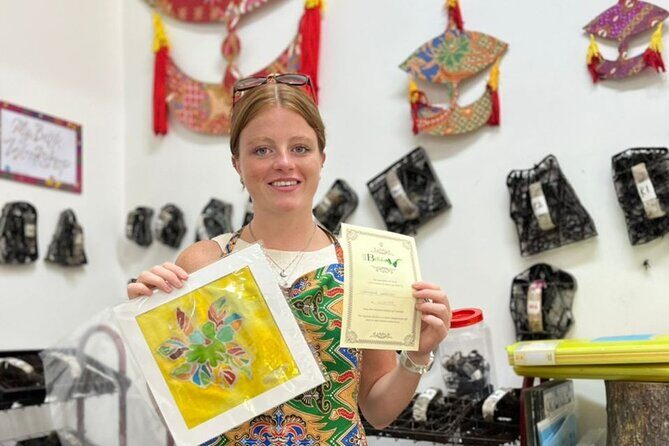
Then it’s over to East Coast Batik (Batik CHONG), known for being one of the older batik and handicrafts centers in the Klang Valley. You get about 30 minutes, and admission is included.
What I like about a stop like this is that it helps you see batik as craft, not just a souvenir. The description emphasizes that batik isn’t simply a patterned fabric—it’s tied to design work and a tradition of making.
If you’re shopping, this is a place to ask questions. If you’re not, treat it as a cultural pause. It’s a low-pressure way to learn something specific before you move back into the city’s landmarks.
You can also read our reviews of more tours and experiences in Kuala Lumpur



Petronas Twin Towers: the skyline icon you’ll plan around
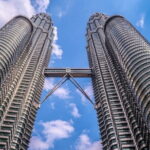
No Kuala Lumpur day feels complete without the Petronas Twin Towers. You’ll spend about 45 minutes here, but the entry fee is not included—listed at $35 per person.
That extra cost is worth understanding. Petronas is one of the most booked stops in the city, and the included time depends on your schedule. If you want the Petronas experience, this is the day to do it—but you should budget for it in your total.
Here’s the practical note that can save your day: one guide, Stan, suggested that instead of Petronas Tower, some people can get similar skyline photography at KL Tower with less waiting and a lower price. That doesn’t mean Petronas isn’t special—it’s just a smart option if your goal is views and photos more than the iconic ticketed stop.
KL Tower: views and a skyline photo plan
You also visit KL Tower, on Bukit Nanas, with time set around 30 minutes. Like Petronas, entry is not included (again $35 per person).
KL Tower is a great match for people who want skyline views without turning the day into a queue marathon. The description also notes its Islamic heritage-inspired architecture, which gives the tower more identity than “just a viewpoint.”
If you’re sensitive to heights, you can still enjoy the exterior and skyline angles without overdoing it. If you’re chasing the best photos, go earlier in your time slot so you’re not competing with the late rush.
Royal Selangor Visitor Centre: pewter craft in a modern setting
Next is Royal Selangor Visitor Centre, about 20 minutes with admission included. This stop is one of the more satisfying “experience” breaks because pewter isn’t just a material—it’s a craft.
Royal Selangor is presented as the go-to place to experience pewter as something beautiful and as a craft. You’re not just looking at objects. You’re learning the “how” behind what you see, which makes it easier to appreciate souvenirs later.
If you like functional art, you’ll probably enjoy this more than you expect. If you’re shopping for gifts, it’s also a good chance to spot quality before you move on.
Istana Negara and the National Monument in one big picture day
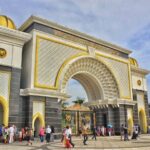
After the city core, the tour shifts toward national landmarks. You’ll see Istana Negara (National Palace) for about 15 minutes with free admission.
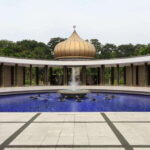
Then it’s over to the National Monument, about 30 minutes, and admission is included. This is where the day gives you a deeper “why” behind the city. The monument recognizes those who gave their lives for peace and freedom, especially during Malaysia’s struggle against communism. It’s a pause that makes the rest of the city feel less like scenery and more like story.
These two stops also help you understand Kuala Lumpur’s layout: government and remembrance areas sit close to large green spaces. It’s a nice change of pace from malls and towers.
Merdeka Square, Parliament, and colonial architecture at Sultan Abdul Samad
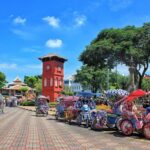
Dataran Merdeka (Independence Square) is next, about 30 minutes, with admission included. It’s located opposite the Sultan Abdul Samad building, and it connects directly to Malaysia’s independence-era symbolism.
Nearby you’ll find the Malaysian Houses of Parliament area (not a long stop, but included as part of the sights). You also spend time at the Sultan Abdul Samad Building for about 30 minutes, with admission included. The building’s late-19th-century Moorish design is distinctive, and it’s one of those places where photos look better the longer you stare.
There’s also a mention of the National Textile Museum, which is adjacent and open daily from 9am to 6pm with free admission. If you want a deeper culture break, this is the sort of add-on you might slot in on a day like this—without adding too much extra travel.
Mosques: National Mosque (Masjid Negara) and Jamek Mosque by the river
This part of the day is excellent if you like architecture and you want Kuala Lumpur’s religious landmarks in context.
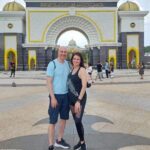
You’ll visit National Mosque (Masjid Negara) for about 20 minutes with free admission. The description calls out its star-shaped dome and a 73m high minaret, with design elements mixing modern architecture and traditional influences. Even if you’re not a mosque architecture expert, you’ll feel the structure’s intention.
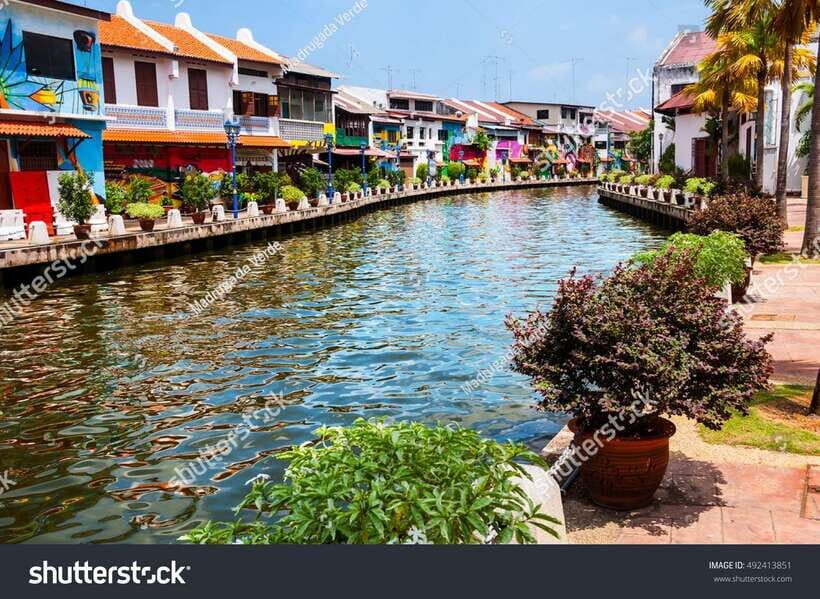
Then it’s Jamek Mosque for about 20 minutes, with admission included. You’ll get the context that it’s one of the oldest mosques in Kuala Lumpur, with design attributed to Arthur Benison Hubback in 1909, and it sits by the Klang and Gombak rivers.
A tip for both: dress respectfully and plan for quick pauses. These are working places, and the best way to enjoy them is calm observation, not sprinting for angles.
Central Market and old Kuala Lumpur streets
Central Market Kuala Lumpur is a free admission stop for about 20 minutes. It began life as a wet market in 1888 and is tied to Yap Ah Loy, a Chinese Kapitan. That mix of colonial-era setting and modern shopping vibe is part of the charm.
If you want a low-stress place to browse, this is it. You’re not committed to a long shopping spree, but you can pick up snacks, small crafts, or just enjoy the local energy.
Near this area you’ll also see the railway station area (the tour includes Kuala Lumpur railway station as a stop). It’s a great reminder that Kuala Lumpur grew around transportation and trade as much as it did around politics and skyline icons.
Chinatown’s Petaling Street and Sri Maha Mariamman Temple
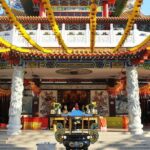
Now you shift into the neighborhood side of Kuala Lumpur. You’ll spend time at Sri Maha Mariamman Temple (about 20 minutes, admission included). It’s described as the oldest Hindu temple in Kuala Lumpur, founded in 1873, and located at the edge of Chinatown on Jalan Bandar.
Then it’s into Petaling Street Market—Chinatown—for about 20 minutes with admission included. This is one of those places where the “atmosphere” is the attraction: crowded streets, bargain energy, and food smells you can track from block to block.
If you want to enjoy it without getting swallowed by the crowd, use your time wisely. Aim for a quick walking loop, then pick one street-level food option or one souvenir category so you don’t waste energy.
Little India Brickfields: color, temples, and food culture
The day continues into Little India / Brickfields, with time about 20 minutes, admission included. Brickfields began as a brick-making center, and the area’s story includes major disasters in the late 19th century that helped reshape the neighborhood.
This stop works well right after Chinatown. You get two cultures side by side in one day and can compare what “market life” feels like in different communities.
One more bonus stop in this neighborhood-culture orbit is Thean Hou Temple, a six-tiered Chinese sea goddess Mazu temple you’ll spend about 20 minutes on. Admission is included, and it overlooks the city area, so it gives you a different angle on Kuala Lumpur’s religious landscape.
Beryl’s Chocolate Kingdom and the sweet finish
For a lighter, fun stop, there’s Beryl’s Chocolate Kingdom for about 20 minutes, with admission included. The description highlights free chocolate sampling and mentions varieties made from Ghana cocoa beans, with over 100 types available.
This is a good way to end a long day without needing another heavy museum stop. Even if you’re not a chocolate superfan, a tasting break is a nice reset before you return to the hotel.
If you’re traveling with kids, this one often lands well. It’s short, sensory, and easy to fit into the timing.
Price and tickets: what you’re paying for (and what you still pay for)
The tour price is $54 per person, and that seems low for a full-day private-style route with hotel pickup and an air-conditioned vehicle. Where the value shows is in transportation and time management.
But you should plan for extra spending. Petronas Twin Towers ($35) and KL Tower ($35) are not included. Some other stops list admission as included or free, like Batu Caves and several cultural monuments, so you’re not paying ticket-by-ticket all day.
Also note that food and drinks aren’t included unless specified. So budget for at least one meal and water during the day. If you’re trying to keep costs tight, eat near major stops where prices are easier to judge rather than buying every snack in tourist-heavy areas.
One more cost consideration: a Licensed Tour Guide is listed as $90 per booking and is not included. You’ll have an English-speaking driver, which can be plenty for getting the highlights. If you want a more formal guide presentation, ask how that add-on is handled.
What to bring so the day feels comfortable
This tour hits temples, monuments, towers, and markets. That means you’ll want a practical kit.
Bring:
- Comfortable shoes (you’ll walk and climb stairs at Batu Caves)
- A light layer (interiors can be cooler than the street)
- Sun protection and water
- Small cash for snacks and market browsing
Also keep your expectations realistic. The day is packed, but it’s set up so you don’t have to sprint. Still, you’ll want to treat each stop as a “see and enjoy” moment, not a full half-day expedition.
Who this tour suits best
This is a smart fit if you’re:
- First-time visitors who want major Kuala Lumpur sights in one day
- Traveling with kids or seniors, since pickup and an air-conditioned car reduce stress
- Interested in both skyline landmarks and cultural stops (mosques, temples, and markets)
- Want a private-group experience where pacing can feel more flexible
It’s less ideal if you hate any shopping-style stops. The watch and batik showroom visits are built into the schedule. If you only want pure monuments and zero retail, you may feel a little impatient during those segments.
Should you book this Full Day Kuala Lumpur 23 Attractions Tour?
If your priority is a smooth, organized day that covers the biggest Kuala Lumpur moments—Batu Caves, Petronas-area skyline, major mosques, Independence Square, Chinatown, and Little India—this is a strong buy for the money. The private setup plus hotel pickup makes it feel easy, and the short, timed stops help you see a lot without spending your whole day in transit.
My recommendation: book it if you’re comfortable budgeting for Petronas and/or KL Tower tickets and you’re okay with a couple showroom-style breaks. If you want a purely museum-and-monument day with no retail stops, you’ll need to be more selective or adjust your expectations before you go.