REVIEW · KUALA LUMPUR
Culinary Journey Through Chinatown with All Type of Delicacies
Book on Viator →Operated by Asni Tours & Travel (M) Sdn Bhd · Bookable on Viator
Snacks guide the way in Kuala Lumpur. This is a tight, tasty walk through Chinatown where you sample Chinese and Malay-style classics in a way that feels practical, not touristy. I like that it’s a small group tour with real time for questions, and I love the food variety—bakkwa, apam balik-style pancake, tofu fa soy drink, teh tarik, roti canai, and Hokkien mee—so you don’t just eat one thing. The only real downside is the pacing: you’re looking at about a 2–3 km walk and multiple stops, so come hungry and wear comfy shoes.
You start at Central Market at 4:00 pm and you’ll be done around 3 hours later, ending back at the same meeting point. I also appreciate the included bottled water and the fact that alcohol isn’t part of the plan, which makes the whole evening feel easier to manage. If you get the chance to be guided by Rayhan Raj Naidu, you’ll likely notice the calm, helpful teaching style—plus he gave extra suggestions after the tour, not just a drive-by food lesson.
One more thing I’d plan for: if you have allergies or a specific diet, you should tell the host ahead of time. They note halal & vegetarian options are available, and they’ll work with your needs, but it’s still on you to speak up early so the tastings stay safe and enjoyable.
In This Review
- Key things to know before you go
- Central Market Meet-Up: What to Expect From the 4 PM Start
- Petaling Street Market Walk: Souvenirs and Snack-Spotting
- Chinese Sweet and Savory Bites: Bakkwa and Apam Balik-Style Pancake
- Tofu Fa Soya Drink and Tropical Fruit Break
- Teh Tarik, Roti Canai, and Hokkien Mee Noodles
- Small Group, Fair Price: Getting More From a 3-Hour Crawl
- Should You Book This Chinatown Food Tour?
- FAQ
- Where do I meet and where does the tour end?
- What time does the tour start?
- How long is the tour?
- How much walking is involved?
- What’s included in the price?
- Are halal or vegetarian options available?
- Is alcohol included?
Key things to know before you go
- Small group size (up to 15) means you’re not stuck just standing while someone else eats.
- Food tastings + drinks + dessert are included, so you can focus on quality and variety.
- 4:00 pm timing works well for Chinatown evening energy without losing daylight.
- You walk about 2–3 km, with a “stop, relax, enjoy” rhythm.
- Route may shift based on food availability, but you’re still promised the same authentic experiences.
- Halal and vegetarian options are available if you request them at booking.
Central Market Meet-Up: What to Expect From the 4 PM Start
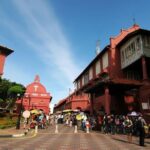
Your evening kicks off at Central Market, right around the information counter area near the entrance. It’s straightforward: no hotel pickup, so you’ll want to get yourself there using public transport, taxi, or Grab. The tour uses a mobile ticket, and you’ll get confirmation after booking.
Why this matters: Central Market is one of the easiest starting points in Kuala Lumpur. You get to orient fast—then the host takes over with the route and the food stops. This tour is built around short visits (about 15 minutes each), so the experience has structure without feeling rushed.
What to bring is simple but important. Wear shoes you can walk in for a few kilometers. Bring your appetite too: the tour practically begs you to arrive with an empty stomach. You’ll get bottled water during the tastings, but you should still expect you’ll be eating several times over the course of the evening, not just sampling one bite each.
Finally, know that the end point is the same as the start. You’re not dropped somewhere random—you’ll be back at Central Market when the last stop wraps up.
You can also read our reviews of more tours and experiences in Kuala Lumpur.

Petaling Street Market Walk: Souvenirs and Snack-Spotting
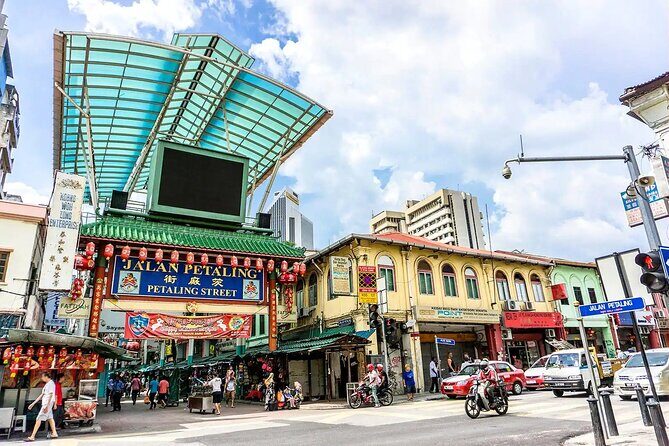
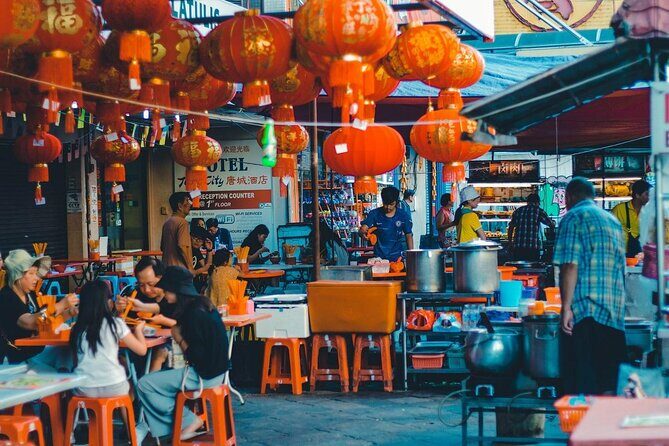
From Central Market, you move toward Petaling Street, which is the heart of Chinatown’s shopping and street-food scene. Even before you start the tastings, this part helps you understand what you’re eating. You’ll see where people shop for snacks, dried goods, and small gifts, and you’ll get a feel for what’s “normal” here—what’s sold quickly, what’s packaged, and what people line up for.
The tour keeps this segment light on logistics and heavier on “look around, notice what’s in front of you.” If you like wandering with a purpose, you’ll enjoy the way the host points out what to watch for as you shop and walk. And if you don’t want to shop, you can still enjoy it—Petaling Street is a good place to sense the neighborhood and how food fits into everyday life.
A quick consideration: this is a walking tour, and market streets can get crowded. You’ll move at a pace that works for most people, but you should still plan for close-quarter moments.
Chinese Sweet and Savory Bites: Bakkwa and Apam Balik-Style Pancake
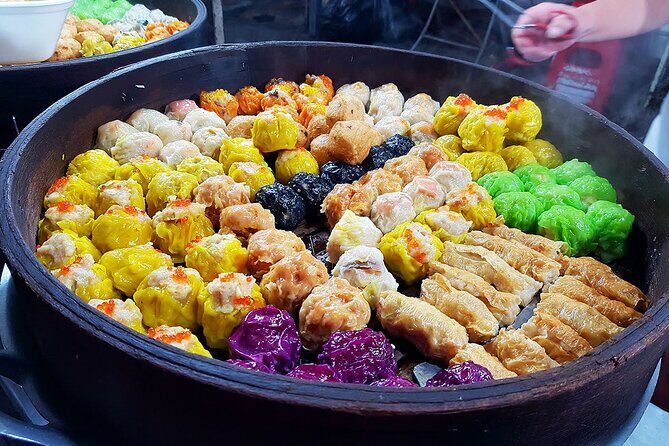
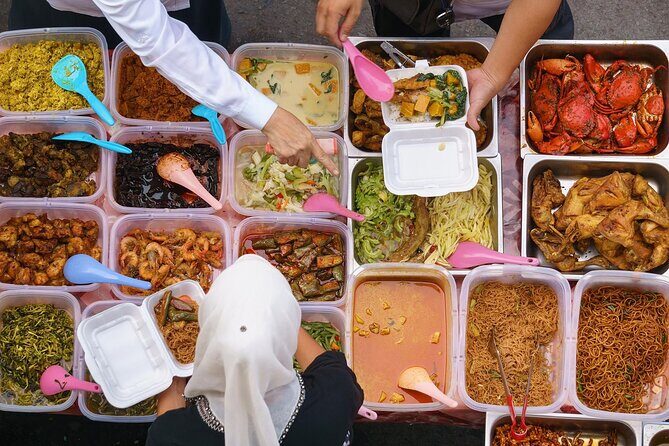
The food portion starts with a classic Chinese dried-meat snack stop: bakkwa (Chinese dry meat). You’ll taste two types of meats here, and the point isn’t just flavor—it’s learning how this snack works in Malaysian street culture. Bakkwa tends to be chewy and smoky-sweet, and the host helps you understand what to look for in taste and texture so you can appreciate why people buy it as a treat and a souvenir.
Next comes a Malaysian street favorite that fans often recognize as apam balik in spirit: Malaysian-style pancake. Expect a fluffy center with crunchy edges, with a sweet topping blend that makes it easy to eat on the go. This is one of those stops where the timing matters: the pancake is best when it’s fresh and warm, and the quick 15-minute window keeps you from waiting around while the tour clock ticks.
What I like about these two stops together: you get contrast. One is savory and smoky (bakkwa), the other is warm and sweet with that crisp-yet-soft texture (the pancake). By the time you move on, your palate isn’t stuck in one flavor mode.
If you’re watching sugar intake, don’t panic—you’re not being forced to overeat. But do plan for it to be part of the tasting experience, not a “light bite only” tour.
Tofu Fa Soya Drink and Tropical Fruit Break
After those savory and sweet hits, the tour adds a soothing break: a soya bean drink, available either hot or cold. The hot version comes out like a jelly-like style (often described as tofu fa), which is a fun texture shift after chewy meats and crisp edges. It’s the kind of drink that helps you reset your mouth before the next round of foods.
You’ll also get local tropical fruits while you’re walking. This is a small detail, but it matters because it balances the heavier items. Fruit tastes brighter when you’ve been eating salty snacks for a while, and it helps you keep enjoying—not just surviving—the rest of the evening.
One practical tip: if you’re sensitive to lactose or have soy questions, tell the host. The drink includes soya by definition, but the exact ingredients and preparation might still matter for allergies.
Teh Tarik, Roti Canai, and Hokkien Mee Noodles
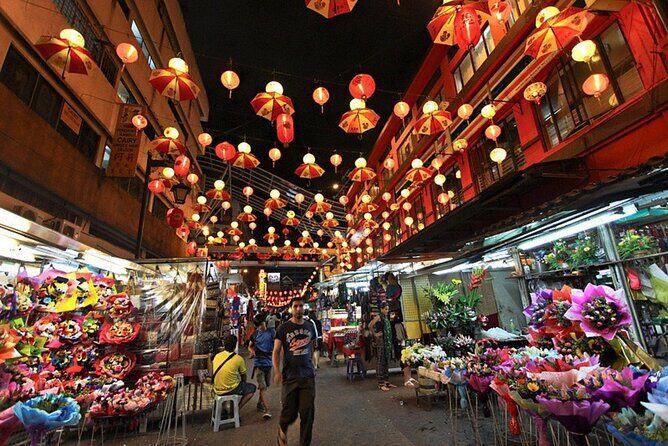
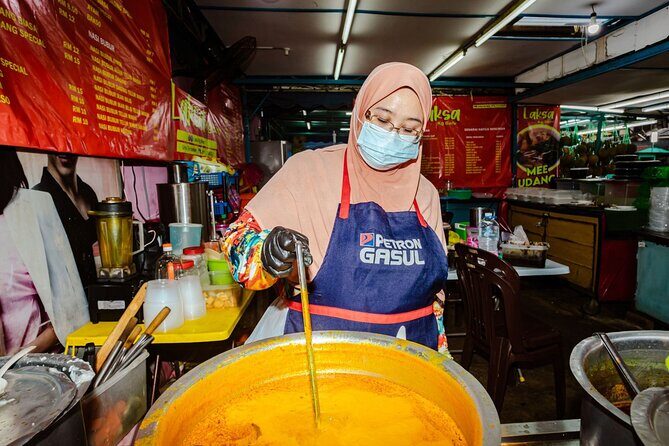
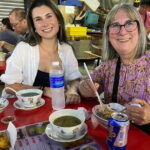
Now you shift to a very Malaysian combo: a stop at a local Indian Muslim restaurant for teh tarik and roti canai. Teh tarik is Malaysia’s famous pulled tea style, and the host frames it as the country’s number-one beverage. You’ll get to taste it as a pairing with a breakfast/tea-time delicacy—roti canai—which is made for dipping and tearing, perfect for a tour pacing that includes quick tastings and moving on.
Why this pairing works: tea is warm and comforting, and roti canai brings that buttery, flaky bite that feels different from the earlier Chinatown sweets. You go from smoky-sweet and crisp-sweet to warm tea comfort and savory, layered bread.
Then the tour finishes with a Chinese noodle stop: Hokkien mee. This is where you get a full, satisfying end to the run. Noodles can be heavy, but that’s also why it’s a good final stop—it feels like a real meal, not just a snack parade.
If you’re picky about seafood or particular ingredients in noodles, mention it ahead of time. The tour can adjust street-food spots based on availability, but the overall tasting plan stays consistent, so your food preferences matter.
Small Group, Fair Price: Getting More From a 3-Hour Crawl
Let’s talk value. The price is $104.80 per person for about 3 hours. That number becomes easier to swallow when you look at what’s included: food, drinks, and dessert tastings plus bottled water. If you tried to recreate this yourself on an evening walk, you’d likely pay for multiple meals and drinks anyway—just without the order, guidance, and “what to get here” help.
The small group cap (up to 15 travelers) is a big part of why the tour feels worth it. You’re not waiting your turn for every stop, and you can ask questions without feeling like the host is rushing past you. The guide is friendly and English speaking, and in at least one experience the guide also shared useful ideas after the tour—so you leave with more than just food.
The other value lever is pacing. This isn’t a marathon. You’re walking roughly 2–3 km, with multiple stops that let you sit, taste, and move again. That moderate physical level note is realistic for most people, as long as you show up with decent shoes and a plan to stand and eat on the move.
Cost note: additional beverages (alcoholic drinks) aren’t included, which is good if you’re trying to keep the evening affordable and easy to enjoy from start to finish.
Where you can lose value is also clear: if you arrive with a full stomach, you’ll end up skipping or rushing tastings. This is why the tour nudges you to come hungry.
Should You Book This Chinatown Food Tour?
I’d book it if you want a low-effort way to eat across cultures in Kuala Lumpur—Chinese snacks (including bakkwa), Malaysian-style pancake, tofu fa soy drink, teh tarik with roti canai, and a finishing bowl of Hokkien mee. I also think it’s a strong choice if you like asking questions while you eat, because the small group size makes that possible.
I’d hesitate if you want a slow, sit-down dinner experience or if you don’t like walking streets. Also, if you have allergies, make sure you communicate them at booking so the host can handle the tastings safely. The tour says halal and vegetarian options are available, which is a plus, but it still depends on you telling them your needs early.
If you’re aiming for a fun evening that balances learning and eating, this Chinatown crawl is a solid way to do it—especially with a guide like Rayhan Raj Naidu showing you what to notice and how to enjoy each stop.
FAQ
Where do I meet and where does the tour end?
Meet at Central Market near the information counter. The tour ends back at the same meeting point.
What time does the tour start?
The start time is 4:00 pm.
How long is the tour?
The tour runs for about 3 hours.
How much walking is involved?
You’ll walk an average of about 2–3 km, with breaks built into the stop-and-enjoy timing.
What’s included in the price?
The tour includes food, drinks, and dessert tastings, plus bottled water, and a friendly English-speaking local host.
Are halal or vegetarian options available?
Yes. Halal & vegetarian options are available if you let the host know when booking.
Is alcohol included?
No. Additional beverages (alcoholic drinks) are not included.