REVIEW · KUALA LUMPUR
Amazing Local Food Tour in Kuala Lumpur
Book on Viator →Operated by Asni Global · Bookable on Viator
KL’s food starts right where the streets narrow.
This 3-hour walk-and-ride tour is built around Malaysian street culture across neighborhoods, where Malay, Indian, and Chinese influences show up on the plate. You also get a local-led way to see parts of Kuala Lumpur you might miss on your own, ending with an old-school coffee stop that connects food to the city’s changing look.
I really like the way this tour keeps the focus on actual street-style eating in small, unpretentious spots, then matches it with practical city context as you move. I also like that guides here have shown they can make the food make sense, from guiding you through what you’re tasting to explaining how the areas and cuisines evolved—like Kiran’s mix of food and city storytelling, and Nesam’s good English and wide-ranging stops.
One consideration: with a maximum of 15 people and a schedule that’s paced for tasting, you’ll want to be okay moving between areas and trying foods without over-stopping to browse. If you want a slow, shopping-heavy morning, this may feel a bit tight.
In This Review
- Key highlights you’ll feel on this tour
- A KL food route that really mixes cultures
- Little India Brickfields: the street-food warm-up
- Chinatown by local transit: noodles, vibes, and a quick reset
- Jalan Masjid India: the coffee stop that ties it together
- Price and what $93.94 buys you in real life
- What group size and guides mean for your experience
- Timing, comfort, and how to prepare without overthinking
- Who this tour is best for
- Should you book this Amazing Local Food Tour in Kuala Lumpur?
- FAQ
- FAQ
- How long is the Kuala Lumpur local food tour?
- What time does the tour start?
- Where does the tour meet, and where does it end?
- Is pickup offered?
- What’s included in the price?
- Are alcoholic beverages included?
- How large is the group?
- What should I wear or bring for the tour?
Key highlights you’ll feel on this tour
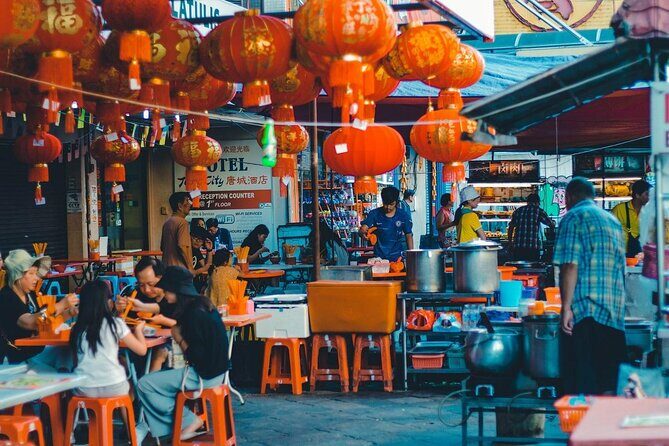
- Little India Brickfields to Chinatown: a quick cultural shift without changing tours
- Transportation built in: LRT/monorail or private car/van options depending on the package
- All food plus non-alcoholic drinks: you’re not constantly checking prices mid-walk
- A coffee-house finish with old photos: food meets the story of Kuala Lumpur
- Small-group vibe (up to 15): easier questions, better flow at each stop
A KL food route that really mixes cultures
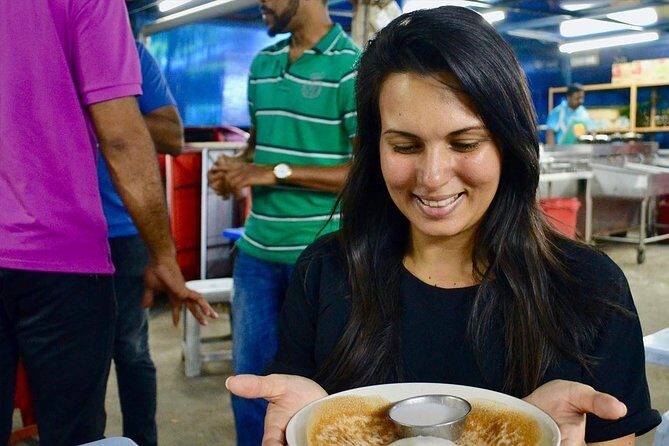
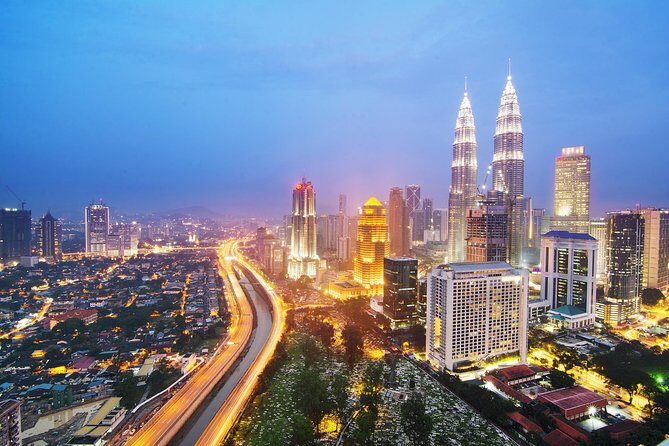
Kuala Lumpur’s biggest flavor trick is how many cultural threads overlap in a relatively small area. On this tour, you move through zones that feel different on purpose—Little India Brickfields first, then Chinatown, then onward to areas around Jalan Masjid India. It’s not random. The route is designed so you can taste how cuisines, cooking styles, and eating habits change as you change neighborhood.
For you, the value is that you’re not just sampling food—you’re also learning how to read what you’re seeing: why certain dishes show up where they do, what local habits influence the menu, and what different communities bring to the city’s everyday food scene. And because the tour includes transportation options, you’re not stuck guessing which transit line helps you get from one taste zone to the next.
One more practical win: the tour is set for midday (it starts at 12:30 pm), which often works well for eating street food. You’re not fighting late-night crowds, and you get a planned end time so you can still make plans after.
You can also read our reviews of more food & drink experiences in Kuala Lumpur
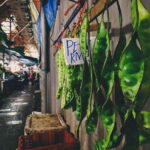
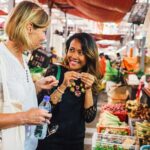
Little India Brickfields: the street-food warm-up
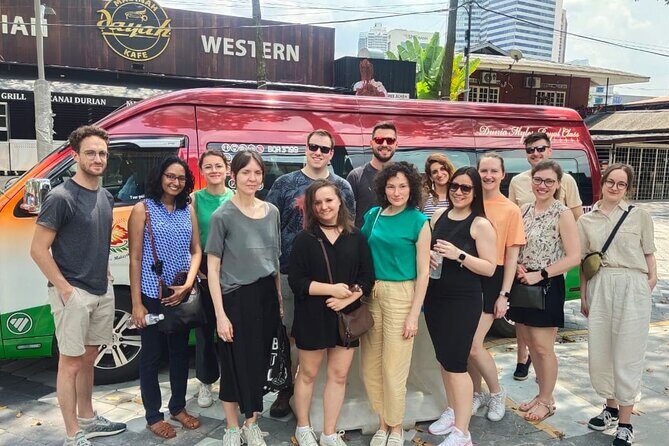
The tour’s first stop is Little India Brickfields, and it’s where the whole experience starts to click. This is an interactive walking segment where you’re guided through alleys and narrow ways—exactly the kind of streets where street food feels most local and least staged.
Here’s what makes this stop especially useful: you get your first set of tastings in a place where Indian flavors are front and center. That means you can calibrate your palate early, then notice the shifts later when you reach Chinese-influenced areas. The guided approach matters, too, because these are small, busy spots, and it’s easy to feel lost if you’re just pointing at menus.
A couple things to think about before you go:
- You’ll likely want cap + water (the tour specifically encourages these) because you’ll be walking in outdoor conditions for part of the route.
- Bring tissue paper—street-style eating is often not set up like a sit-down restaurant.
- Keep your pace steady. The tastings are planned as a sequence, not as a buffet line.
If you’re the type who worries about ordering, this stop is a good place to let the guide do the heavy lifting. And since the tour is for food fans, the guide’s role isn’t just to point. In the real world, that often means helping you understand what’s in front of you and how locals typically eat it.
Chinatown by local transit: noodles, vibes, and a quick reset
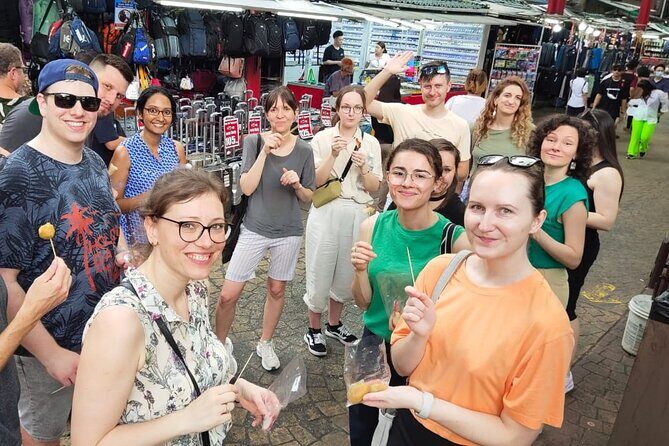
Next comes Chinatown, and the tour is set up to move you from one food world into another using local transport—LRT/monorail if your package includes that option, or by car transfer if you’re on a private option. This matters more than it sounds. You’re not just crossing town; you’re switching atmosphere.
Chinatown can feel like a different city in your head: the sounds, the signage, the pace of people, and the kinds of stalls you see. The tour leans into that contrast, so the food at this stage feels like a step change from the earlier Indian-flavored start.
What you’ll likely enjoy most here is the variety that comes from Chinese-influenced street food traditions. You’ll be tasting in a way that’s meant to help you compare: textures, sauces, cooking methods, and how dishes are served at stalls.
A small practical note: the tour includes transportation and also gives the option to stroll on foot. That’s a good combo, because it keeps your energy reasonable. If you’re sightseeing all day, the ability to mix walking with transit can be a lifesaver. If you’re sensitive to heat, you’ll also be glad the tour includes an air-conditioned vehicle option depending on the package you choose.
Jalan Masjid India: the coffee stop that ties it together
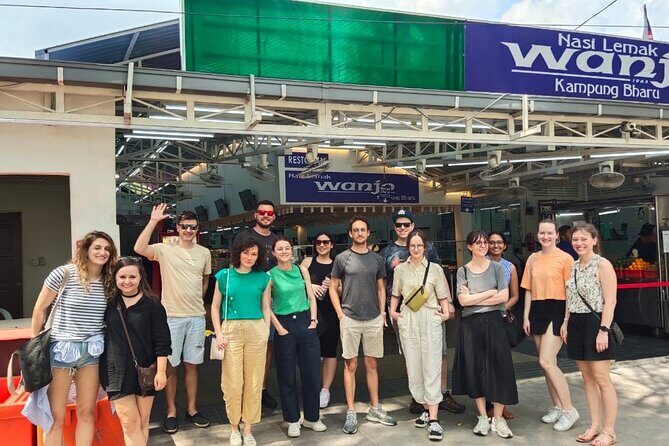
The final stop centers on Jalan Masjid India, and it’s capped with an old-school coffee-house experience. This is one of the best parts of the tour for a lot of people because it slows the day down for a minute after the street-eating run.
You’ll be able to take in photos from the past while you have coffee, and your local guide can help explain how the city changed over time. That sounds simple, but it’s a smart way to end a food tour. Food is tied to migration, neighborhood growth, economics, and daily routines. The coffee-and-photos approach gives you a chance to connect tastings to the city itself, instead of treating food as a stand-alone event.
I also like this stop because it gives you a different kind of break. You’re not just trying one more snack; you’re resetting your senses. Coffee tends to do that, especially when you’ve been eating a mix of flavors that may include spice, fried items, or noodle dishes across the earlier neighborhoods.
Price and what $93.94 buys you in real life
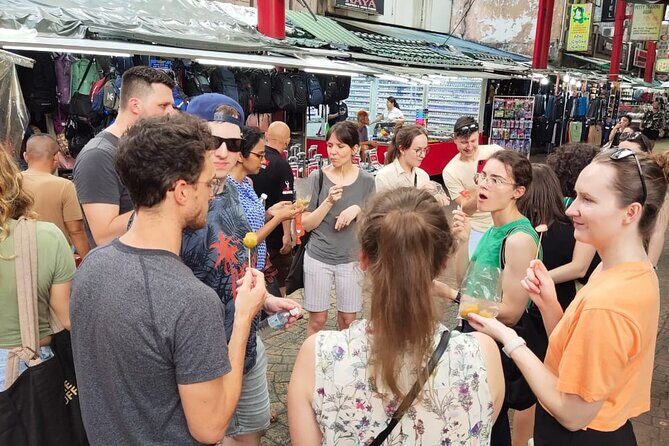
At $93.94 per person, this tour is priced like a “guided experience” rather than a do-it-yourself food crawl. The key question is whether it’s worth it for you—and here’s the practical breakdown.
What you’re getting included:
- English-speaking driver
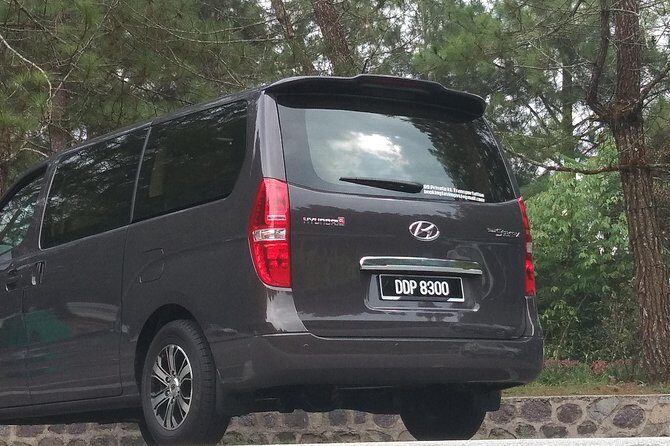
- Transportation (LRT/monorail or private car/van, depending on package)
- Local taxes and fees
- All food and non-alcoholic drinks according to the package
- Air-conditioned vehicle
- A cap of 15 travelers for the group
Food tours can be expensive when they only cover a few tastings. Here, the selling point is that you’re not paying extra for each stop’s food and your drinks are also covered as non-alcoholic. That tends to make the final bill feel more predictable.
Also, the group size helps. A smaller maximum makes it easier to keep the flow at each tasting spot. You spend less time waiting around, and you can ask questions without feeling like you’re in a long line with zero attention.
If you’re traveling on a budget, you can still make this work—just compare it to what you’d spend on multiple neighborhood transit trips plus guide time plus enough snacks to feel satisfied. If you’re going to eat across multiple areas anyway, the guide and transport often start to feel like the practical part, not the extra cost.
You can also read our reviews of more tours and experiences in Kuala Lumpur
What group size and guides mean for your experience
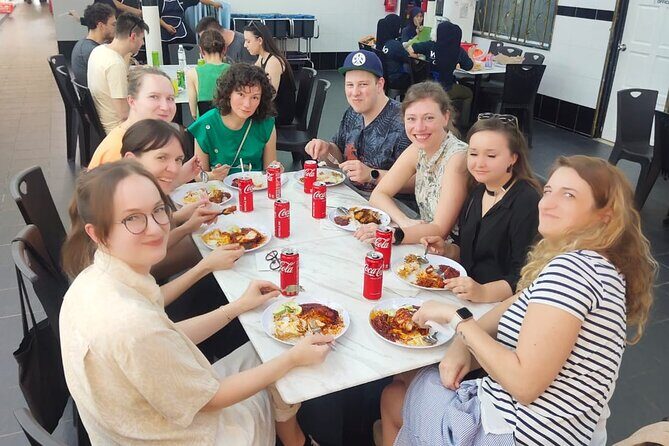
This tour runs with a maximum of 15 travelers, and that small cap shows up in how smoothly it tends to work. You’re not fighting for attention at each stop, and the guide can adjust in real time when a group needs a moment.
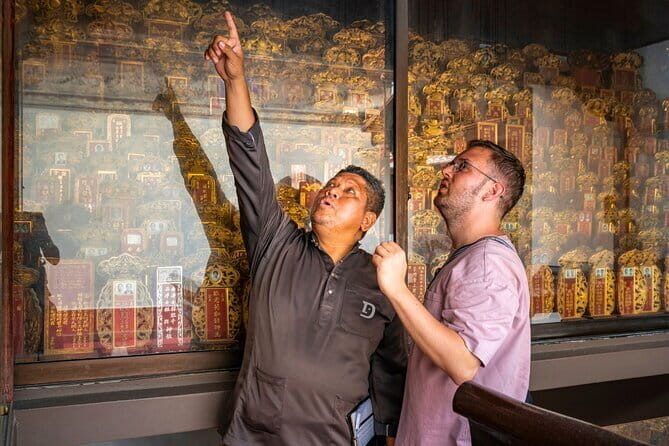
The guide quality is also a big theme from the experiences shared by people who took the tour. I’ve seen examples of guides like Kiran delivering both food guidance and KL history in a way that feels easy to follow, not like a lecture. Another standout example: Nesam, praised for very good English and for keeping the stops varied, including traditional-market-style fruit tastings and KL sightseeing alongside the food program.
One detail that could matter for you: if the group isn’t full, you might get extra flexibility. For instance, some experiences describe having a single-person group, which can make the pacing feel less rushed and can create time for more variety.
Timing, comfort, and how to prepare without overthinking
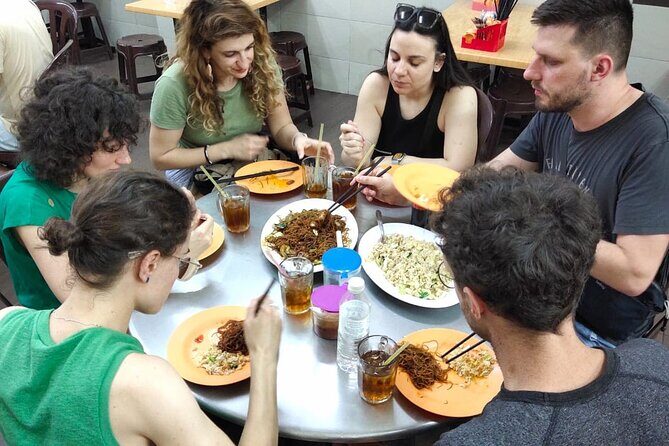
You’re starting at 12:30 pm and the tour runs about 3 hours. That’s a sweet spot: long enough to hit multiple neighborhoods and enough tastings to feel like a real food tour, but short enough that you can still plan dinner later.
Dress guidance is simple and smart:
- Bring a cap
- Pack tissue paper
- Bring a water bottle
You’ll also want to wear comfortable shoes. Little India Brickfields and the Chinatown portion both rely on moving through tight streets and stopping frequently. Think comfortable walking, not “pretty but painful.”
Also plan your expectations for coffee and photos at the end. It’s not a museum stop; it’s a calm, reflective ending that helps you interpret what you just ate.
Who this tour is best for
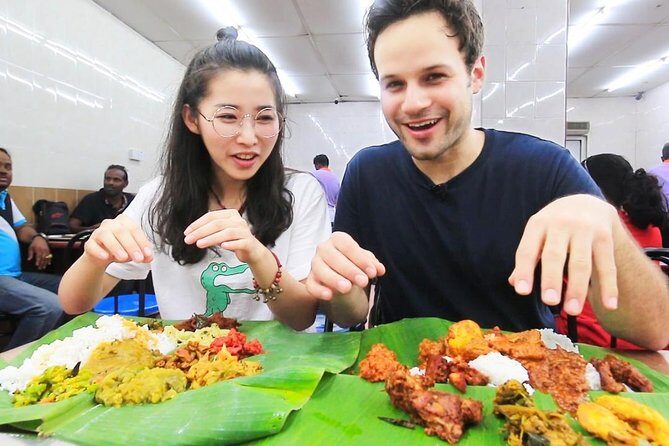
This works especially well if:
- You want street food across multiple KL neighborhoods without doing logistics yourself
- You like learning why foods and neighborhoods look the way they do
- You’re traveling with food as a priority, not just an occasional bite
If you’re picky about adventurous flavors or you only want familiar dishes, you might need to be strategic. The tour includes a set food plan, and it’s designed for tasting local street-style food rather than customizing a menu. That doesn’t mean it won’t work—it just means you should be ready to say what you do or don’t want and use your guide to steer.
Should you book this Amazing Local Food Tour in Kuala Lumpur?
Book it if you want a well-paced way to eat across Little India, Chinatown, and the Jalan Masjid India area, with transport handled and food plus non-alcoholic drinks covered. The combination of neighborhood contrast and an ending coffee stop with old photos gives the day structure and adds meaning beyond eating.
Skip it (or choose another option) if you hate walking, want lots of shopping time, or prefer a super flexible, pick-your-own-stalls approach. This tour is built to follow a route and keep momentum, so it’s less about wandering on your own whim.
FAQ
FAQ
How long is the Kuala Lumpur local food tour?
It’s about 3 hours (approx.).
What time does the tour start?
The start time is 12:30 pm.
Where does the tour meet, and where does it end?
It meets at MATIC109, Jln Ampang, Kuala Lumpur, and it ends back at the meeting point.
Is pickup offered?
Yes, pickup is offered.
What’s included in the price?
The tour includes an English-speaking driver, transportation (LRT/monorail or private car/van), local taxes and fees, all food and non-alcoholic drinks according to the package, and an air-conditioned vehicle.
Are alcoholic beverages included?
No. Alcoholic beverages are not included.
How large is the group?
The tour has a maximum of 15 travelers.
What should I wear or bring for the tour?
The tour encourages bringing a cap, tissue paper, and a water bottle, and wearing standard day clothing suited for walking.
If you tell me your travel dates and whether you want more walking or more riding, I can suggest the best way to choose the transport option for your style.